
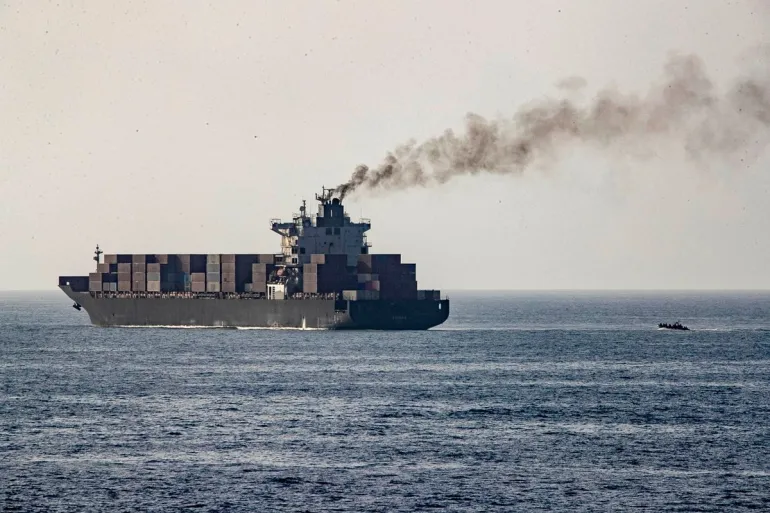




Hamas Chiefs Survive, Six Killed as Israel Hits Qatar
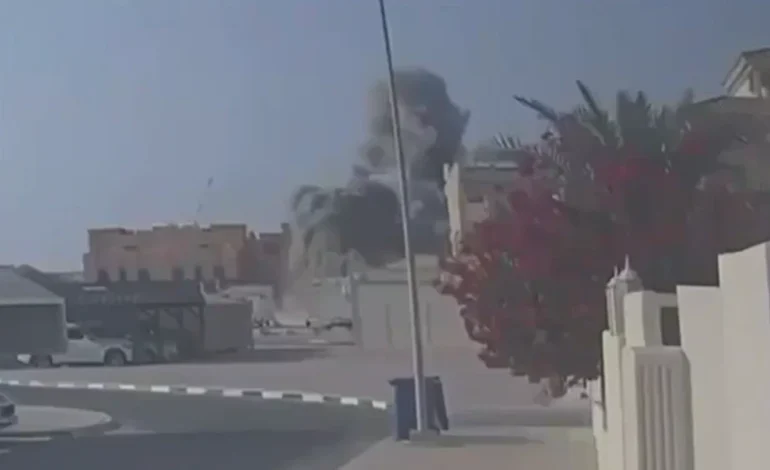

Israel launched a rare strike inside Qatar’s capital on Tuesday, targeting Hamas leaders gathered in Doha. Hamas says its top brass survived, but six people were killed — including a Qatari security officer, the son of Gaza leader Khalil al-Hayya, and one of al-Hayya’s aides.
Residents reported multiple explosions in a central, densely populated neighborhood near embassies and a main thoroughfare. Panic gripped the city at school pick-up time before authorities restored calm and cordoned off the area.
Israel’s military called it a “precise” operation against Hamas’s “senior leadership.” Israeli media said the strike involved numerous fighter jets and multiple munitions. Hamas said the attack was an assassination attempt aimed at derailing ceasefire and prisoner-swap talks; the group insisted its leaders were unhurt.
Qatar’s Interior Ministry confirmed a member of its security forces was killed and others wounded. The US Embassy briefly told staff to shelter in place, then lifted the order.
A White House official said the United States was informed ahead of time. That disclosure immediately stoked questions about American complicity in a strike on the soil of a close US ally that hosts the region’s largest US air base at Al-Udeid.
European leaders lined up to condemn the attack. France’s Emmanuel Macron called it “unacceptable,” while UK Prime Minister Keir Starmer said it violated Qatar’s sovereignty and risked wider escalation. The GCC voiced “full solidarity” with Qatar; Arab capitals from Saudi Arabia and the UAE to Egypt and Jordan issued similar denunciations. Hezbollah called the strike a “new level of criminality.”
The timing could hardly be more combustible. Hamas negotiators were in Doha discussing the latest US framework for a Gaza ceasefire and hostage release. Critics accused Israel of blowing up the only viable mediation track. Qatar’s diplomats said the strike was “clearly designed to undermine” the talks.
Prime Minister Benjamin Netanyahu framed it differently, saying Israel had accepted President Donald Trump’s new proposal and that the “surgical” strike could “open the door” to ending the war if Hamas agrees. He and Defense Minister Israel Katz linked the operation to a deadly shooting in Jerusalem and reiterated that Hamas leaders have “no immunity anywhere.”
Families of Israeli hostages reacted with alarm, warning the move could provoke reprisals and sink chances of a deal.
“Why sabotage every opportunity?” asked Einav Zangauker, whose son is held in Gaza.
Beyond the diplomatic shock, the strike sharpened fears of widening conflict. Israel said it intercepted a missile fired from Yemen amid a recent uptick in Houthi attacks. Analysts warned Gulf states may rethink their security assumptions if US foreknowledge didn’t translate into prevention.
“A watershed moment,” said one Doha-based academic, arguing it could chill Qatar’s long-running role as a neutral mediator.
Hamas confirmed the Doha meeting included senior figures, including chief negotiator Khalil al-Hayya. The group said the attempt on its leadership failed but accused Israel of trying to torpedo a truce. It named several of the dead and said contact was lost with some bodyguards.
“This underscores the occupation’s intent to wreck any agreement,” the statement read.
An unprecedented Israeli strike on Qatari soil has jolted one of the last functioning channels for Gaza diplomacy. Hamas’s leadership is intact, but six people are dead and trust is fraying among the very actors needed to end the war. With Washington acknowledging it was briefed and allies condemning the attack, the fallout now stretches from Doha’s streets to the core of US partnerships in the Gulf — and to the fragile hope that a ceasefire was finally within reach.
With input from Al Jazeera, BBC, and CNN.


The latest news in your social feeds
Subscribe to our social media platforms to stay tuned