






The original story by Eduardo Baptista for Reuters.
China is cracking open the door on its Nexperia chip export curbs, granting exemptions for parts headed to “civilian” applications — a move that should take some pressure off global carmakers and their suppliers. The Commerce Ministry’s announcement on Sunday is the clearest sign yet that Beijing is willing to dial back a supply squeeze that’s rippled through automotive electrical systems worldwide.
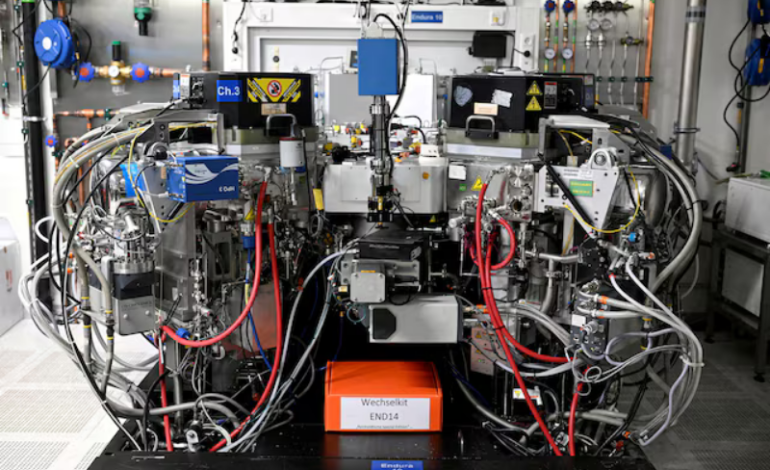
Nexperia sits at the heart of the spat: a Netherlands-based maker of bread-and-butter semiconductors owned by China’s Wingtech. After The Hague seized control of the company on September 30 — arguing Wingtech planned to shift European production to China in a way that threatened European economic security — Beijing retaliated by choking off exports of finished chips, most of which are packaged in China. That contributed to immediate headaches for parts makers dependent on Nexperia’s ubiquitous diodes, transistors, and power devices.
The new carve-outs don’t spell out exactly what counts as “civilian use,” but they arrive as German and Japanese manufacturers say deliveries of China-made Nexperia components have restarted. Translation: the auto pipeline is starting to refill, at least partially.
Don’t mistake this for a thaw in the bigger fight. The Netherlands’ intervention — and the wider EU-China friction it triggered — still hangs over Nexperia’s future. In its statement, China’s Commerce Ministry pressed Brussels to use its weight to push the Dutch to reverse what Beijing called an “erroneous” seizure. Until the ownership and operating control questions are settled, expect relations to stay strained and the supply outlook to carry a geopolitical asterisk.
One notable catalyst: after the October 30 meeting between US President Donald Trump and Chinese President Xi Jinping, China said it would begin accepting exemption applications. Sunday’s decision is the first tangible follow-through. Beijing continues to insist it’s the party protecting global semiconductor supply chains, while accusing the Dutch of failing to fix the root dispute.
For automakers juggling thin inventories and tight production schedules, any extra trickle of reliable, basic chips is welcome. The larger question is whether this is a temporary pressure release — or the start of a more durable detente that keeps the world’s most mundane, yet essential, semiconductors out of the crossfire.



The latest news in your social feeds
Subscribe to our social media platforms to stay tuned