




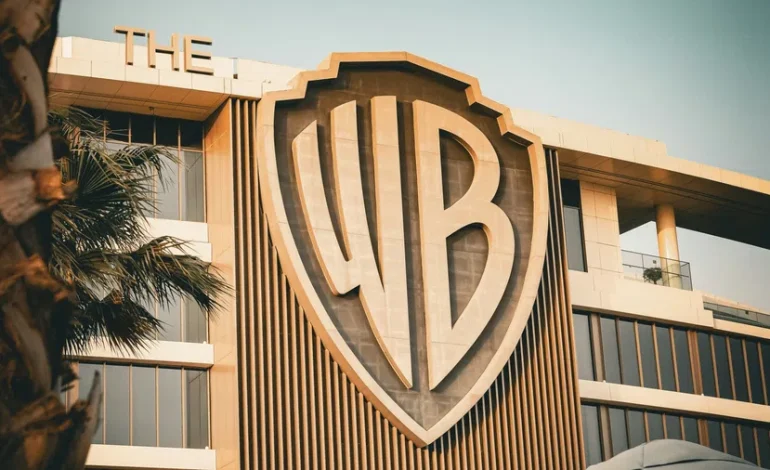

Paramount and Netflix are in a full-on corporate cage match over Warner Bros. Discovery (WBD) — and Paramount is swinging one of the largest hostile takeover bids the market has seen in decades.
On one side, there’s Netflix, which last week inked a friendly $72 billion deal for WBD’s studio and streaming assets. On the other, Paramount Skydance, which the WBD board rejected — so Paramount is now going over the board’s head and straight to shareholders with a hostile offer.
Paramount is offering $30 per share in cash for all of WBD, valuing the company at about $108 billion including debt (roughly $78 billion in equity). If shareholders bite, Dealogic data say it would be the fourth-largest completed hostile takeover of the past 20 years.
And remember: in many of these mega-bids, the first offer isn’t the last. Bidders often sweeten terms as the fight drags on.
Quick refresher: a hostile takeover happens when a buyer stops trying to woo the target’s management and instead takes the pitch directly to shareholders — often with public pressure, tender offers, and sometimes proxy fights.
Here’s how Paramount’s proposed Warner Bros. deal stacks up against the biggest hostile bids that actually crossed the finish line (values exclude debt):
- Vodafone Airtouch → Mannesmann (2000) – $171 billion
UK telecom giant Vodafone Airtouch first tried a friendly merger with Germany’s Mannesmann. After being rebuffed, Vodafone went hostile, buying up shares in a deal that ultimately landed at around $171 billion. - Anheuser-Busch InBev → SABMiller (2016) – $122 billion
After InBev pulled off its own hostile takeover of Anheuser-Busch, the combined brewer — AB InBev — turned around and did it again. Its aggressive pursuit of SABMiller finally ended in a negotiated deal worth about $122 billion. - Pfizer → Warner-Lambert (2000) – $110 billion
Drug giant Pfizer muscled its way into acquiring Warner-Lambert, the company behind blockbuster cholesterol drug Lipitor, via a hostile bid that closed as an all-stock deal worth roughly $110 billion. - Royal Bank of Scotland Group (RBS) → ABN Amro (2007) – $96 billion
To block a friendly deal between ABN Amro and Barclays, RBS assembled a bank consortium that launched a hostile offer and carved up ABN among them in a $96 billion deal. It later became infamous as one of the deals that helped sink RBS during the financial crisis. - Sanofi-Synthélabo → Aventis (2004) – $73 billion
Sanofi-Synthélabo shocked markets with a surprise hostile bid for rival Aventis, a French–German pharma group. The deal, initially contested, ended up closing at about $73 billion.
If Paramount manages to pull off its Warner Bros. play, it would slide right into this list, behind Pfizer–Warner-Lambert and ahead of the RBS–ABN Amro breakup.
Paramount’s bid isn’t just big — it’s geopolitically touchy.
In a revised SEC filing, Paramount Skydance disclosed that Chinese tech and gaming giant Tencent has pulled its $1 billion financing commitment from the bid. The reason? Concern that its involvement as a “non-US equity financing source” could trigger scrutiny from CFIUS — the Committee on Foreign Investment in the United States, which reviews deals for national security risks.
Even though CFIUS or FCC approval isn’t technically a condition of Paramount’s offer, Tencent clearly didn’t want to take the risk.
Meanwhile, other foreign backers are staying in — but with strings attached:
- Sovereign wealth funds from Saudi Arabia, Abu Dhabi and Qatar are collectively putting up around $24 billion in financing.
- To avoid deeper CFIUS scrutiny, these funds have agreed to forgo any governance rights, including board seats or direct management influence at Warner Bros. Discovery.
On Monday, with that financing structure in place, Paramount formally launched its hostile takeover, a roughly $77.9 billion equity bid for WBD, putting it in direct, very public competition with Netflix’s earlier $72 billion agreement.
Now it’s up to WBD shareholders and, eventually, regulators:
- Shareholders will have to decide whether they prefer Netflix’s friendly, partly stock deal or Paramount’s richer all-cash hostile offer for the entire company.
- US regulators and CFIUS will be watching closely, given the size of the transaction, the foreign funding, and the media and tech assets involved.
If Paramount wins, it’ll go down as one of the largest hostile takeovers in modern history — and yet another reminder that in big-league M&A, “no” from the board doesn’t always mean the deal is dead.


The latest news in your social feeds
Subscribe to our social media platforms to stay tuned