






ABC News, New York Post, and Reuters contributed to this report.
The battle to buy Warner Bros. Discovery has turned into a full-blown drama — and not just in Hollywood.
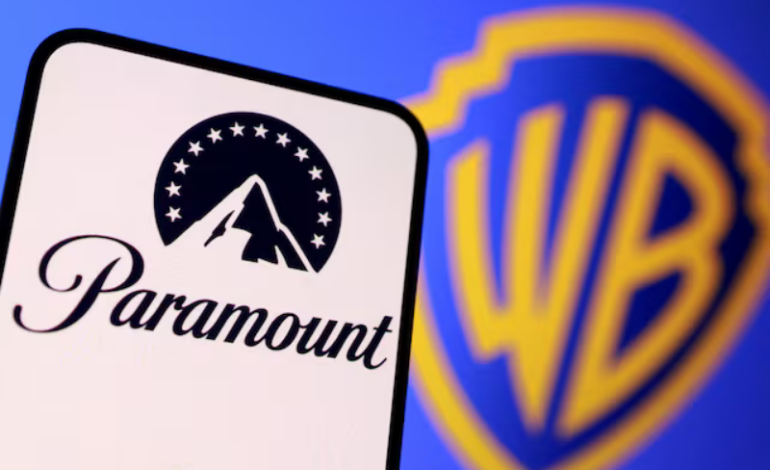
Within days of Netflix announcing a deal to acquire WBD’s film and streaming divisions, Paramount Skydance crashed the party with a hostile $108 billion bid for the entire company, including cable networks like CNN. Now, any winner will have to clear a messy gauntlet of Trump administration regulators, antitrust scrutiny and national security questions.
Netflix’s $83 billion offer would scoop up HBO Max and the Warner Bros. studio but leave out the cable channels. Paramount’s richer $108 billion hostile bid aims to buy everything, making its case as a way to build a fourth major global streaming rival to Netflix, Amazon and Disney.
But neither path is simple.
Any acquisition would likely face an antitrust review under the Clayton Act, which bars mergers that may “substantially lessen competition” or create a monopoly. That review would look at things like:
- Market share in streaming;
- Effects on subscription prices;
- Impact on creators who sell content;
- Leverage over movie theaters and other distributors.
“It’s not just about higher prices,” said University of Tennessee law professor Maurice Stucke. “It could mean less content, less choice, less innovation and lower quality.”
For Netflix, regulators would worry about concentration in streaming: it already dominates, and folding in HBO Max could give it as much as 60% of global streaming app usage by some measures. That raises questions about whether it could squeeze consumers or content creators.
Paramount, by contrast, has a much smaller streaming base but already owns Paramount Pictures. Merging two major studios could reduce competition for movies and shows, potentially pushing down what creators and talent get paid.
“This will take away one of those options,” Vanderbilt law professor Rebecca Allensworth said of creators who now can shop projects to both studios.
Under normal circumstances, the DOJ or FTC would lead the review, possibly forcing the buyer to spin off assets or accept conditions. If talks fail, the government could sue to block the merger.
But these aren’t normal circumstances.
President Donald Trump has already said he’ll “be involved” in evaluating a Warner Bros. deal — an unusual level of presidential meddling in what’s typically an arm’s-length process. Trump has long feuded with CNN, and experts say the administration could use antitrust leverage to chase unrelated goals, like shaping media coverage or extracting concessions.
“With antitrust, there’s a lot of discretion,” Stucke said. “It’s not as clear-cut as a speeding ticket.”
That makes any outcome highly unpredictable. A buyer could end up with a consent decree that includes both competitive and non-competitive conditions — especially if, as Allensworth notes, the White House is willing to “make problems go away” in exchange for terms it likes.
Complicating things further: who’s backing Paramount’s bid.
Democratic Reps. Sam Liccardo and Ayanna Pressley have warned they’ll move to undo any Paramount Skydance takeover, blasting the deal’s financial backing from Saudi Arabia’s Public Investment Fund, Qatari and UAE sovereign wealth funds, and Jared Kushner’s Affinity Partners as a national security risk.
They’ve urged WBD’s board and Treasury Secretary Scott Bessent to consider how foreign state-linked investors might influence:
- Editorial decisions at outlets like CNN;
- Content moderation and distribution priorities;
- Handling of Americans’ private data.
“Even absent overt control,” they wrote, such influence can still be dangerous when foreign governments’ interests diverge from those of the US.
Paramount is trying to cool those fears, saying those investors will hold non-voting equity only and forgo board seats or governance rights. It also aims to structure the deal to avoid a full review by CFIUS, the committee that vets foreign-linked deals for security risks.
Lawmakers from both parties have raised flags about a WBD sale to either Netflix or Paramount, mostly on antitrust grounds.
Outside the US, European media players are watching closely. MFE-MediaForEurope CEO Pier Silvio Berlusconi even said he’d prefer Paramount as the buyer, arguing a combined Paramount–WBD would create a stronger competitor to US streaming giants rather than make the field even more lopsided.
For now, everything hangs in limbo: court challenges, consent decrees, forced divestitures, or outright rejection are all on the table. As antitrust expert Sam Weinstein put it, there’s a big difference between a clean merger under the guidelines and one where political favor — and who’s willing to cut what deal — might decide the ending.
“If you can win favor of the administration by making promises,” he said, “that makes the deal unpredictable.”


The latest news in your social feeds
Subscribe to our social media platforms to stay tuned