




Botswana’s bigger elephant hunting quota sparks conservation fight
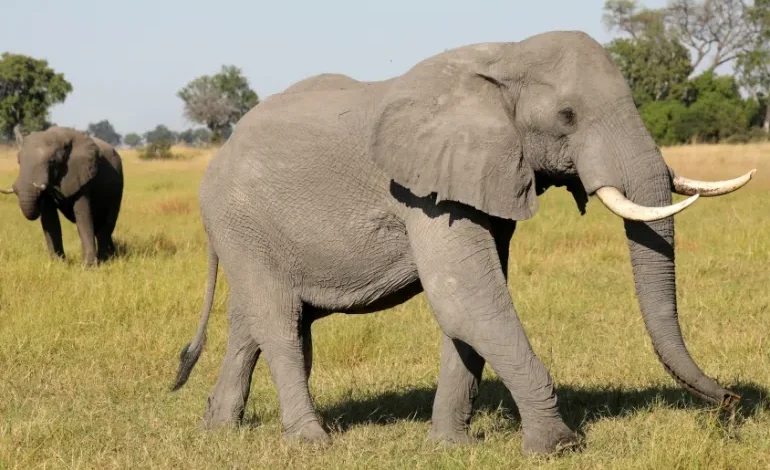

Botswana’s government is facing a backlash from conservationists after quietly raising its elephant trophy-hunting quota for 2026, a move critics say risks harming the world’s largest remaining elephant population rather than protecting it.
The country of 2.3 million people hosts more than 130,000 elephants, nearly a third of Africa’s total. That abundance is central to Botswana’s identity, and its recurring political battle over how to manage wildlife in a landscape where elephants increasingly squeeze into farmland and villages.
A preliminary draft shows next year’s hunting quota rising to 430 elephants, up from 410 in 2025. Supporters frame the numbers as pragmatic population control and a lifeline for rural communities. Opponents see it as an ecological misstep.
“The number of elephants being hunted is too high,” said Oaitse Nawa, founder of the Botswana-based Elephant Protection Society, who urged the government to reconsider.
Why trophy hunting matters
Botswana banned trophy hunting in 2014, then reversed course in 2019, arguing that elephants had become too numerous and destructive to crops and livelihoods. Annual quotas now exist for more than a dozen species.
Officials say hunting revenue is vital: earlier this year, Environment Minister Wynter Mmolotsi said licence sales generated more than $4m in 2024, compared with $2.7m the year before.
Former President Mokgweetsi Masisi has even accused Western critics of hypocrisy, telling Germans who support import bans that they should “try living among elephants”.
But conservation scientists warn that the new quota risks eroding key demographics within the herds.
Why critics are worried
For others, the biological concern is clear.
“Trophy hunters target individual animals they regard as ‘trophies’… in the case of elephants, those with the largest tusks, the mature males,” said Will Travers of Born Free.
“These long-lived ‘elders’ are repositories of vital survival knowledge within elephant society,” he warned, adding that they may make up just 1 percent of Botswana’s herd — and are already under pressure from poachers.
Removing them can ripple through behaviour, making herds more unpredictable and heightening clashes with humans.
“When people go to the fields or search for their cattle, they may come across breeding herds of elephants, and that’s where problems begin,” Nawa said. “The elephants may run up and down, destroying crops as they flee for their lives.”
What could work instead
Nawa argues for a shift toward community-based coexistence strategies, training residents in how to respond to elephant encounters, and redesigning local economies to benefit from wildlife without killing it.
He pointed to a successful resort that drilled water boreholes to draw elephants into view for tourists.
“Many people come to watch the elephants at a very close range,” he said. “The community needs to be educated to understand the role of elephants in the ecosystem and how they can benefit directly from elephants without killing them.”

The latest news in your social feeds
Subscribe to our social media platforms to stay tuned