




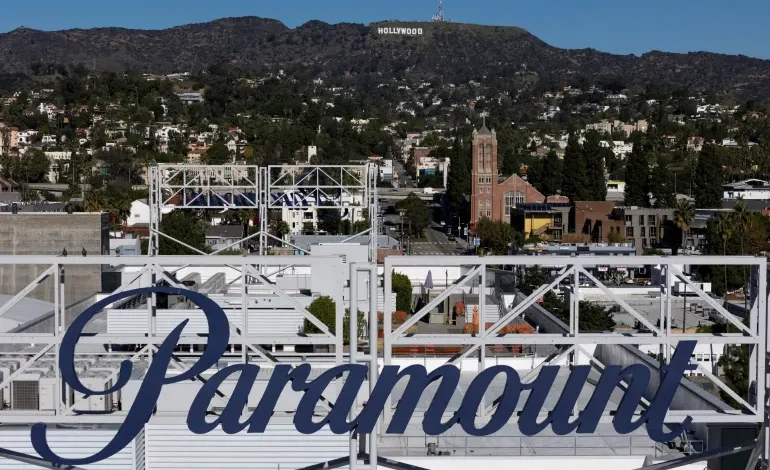

Warner Bros Discovery has become the latest battleground in a high-stakes media power struggle, as a hostile $108bn takeover bid from Paramount-Skydance collides with a recently agreed deal with Netflix, and a growing storm over politics, antitrust and press freedom.
Paramount’s offer dwarfs Netflix’s $82.7bn move, but both proposals have immediately raised red flags in Washington. Progressive lawmakers, including Democratic Senator Elizabeth Warren, have warned that a Netflix takeover could limit competition and squeeze both consumers and filmmakers. The White House has said any such deal would face heavy antitrust scrutiny.
Paramount’s bid, however, comes with a different set of concerns, less about market dominance, and more about conflicts of interest and political influence tied to the administration of US President Donald Trump.
One of the financial backers of Paramount’s bid is Affinity Partners, the investment firm run by Jared Kushner, Trump’s son-in-law and a former senior adviser during his first term in office. The deal is also supported by Saudi and Qatari sovereign wealth funds.
Trump has denied any personal involvement, telling reporters that neither Paramount nor Netflix “are friends of mine” and that he had not spoken to Kushner about the bid. Yet just days earlier, he said he would personally weigh in on whether a Warner Bros–Netflix merger would be approved.
“I’ll be involved in that decision,” Trump said as he arrived at the Kennedy Center for its annual awards ceremony.
Adding another layer, Paramount is now led by David Ellison, son of Oracle cofounder Larry Ellison, a billionaire tech executive and long-time Trump ally.
Concerns over editorial independence have intensified following a series of changes at CBS News, owned by Paramount. Earlier this year, the network settled a lawsuit brought by Trump over an interview with then-Democratic presidential hopeful Kamala Harris, a case CBS had previously described as baseless, for $16m.
Soon after, Bill Owens, executive producer of 60 Minutes, resigned. NPR, citing CBS staffers, reported Owens felt he had “lost independence from corporate”.
Days later, late-night host Stephen Colbert called the settlement a “bribe”. Not long after, Paramount announced The Late Show would be cancelled in 2026. While the programme had been losing money, the timing was widely interpreted as politically charged.
Since Paramount’s merger with Skydance was approved, critics say CBS News has taken further steps that align more closely with Trump’s preferences. These include appointing Ken Weinstein, a former Trump ambassadorial nominee with no media background, as ombudsman overseeing claims of bias.
In October, Paramount also bought the right-leaning outlet The Free Press for $150m and installed its founder, Bari Weiss, as CBS’s editor-in-chief, despite her lack of television experience.
Together, the moves have turned Warner Bros Discovery’s future into a broader test of how political power, media consolidation and editorial independence intersect in Trump’s second term.


The latest news in your social feeds
Subscribe to our social media platforms to stay tuned