




Reuters, the Intercept, NPR, and USA Today contributed to this report.
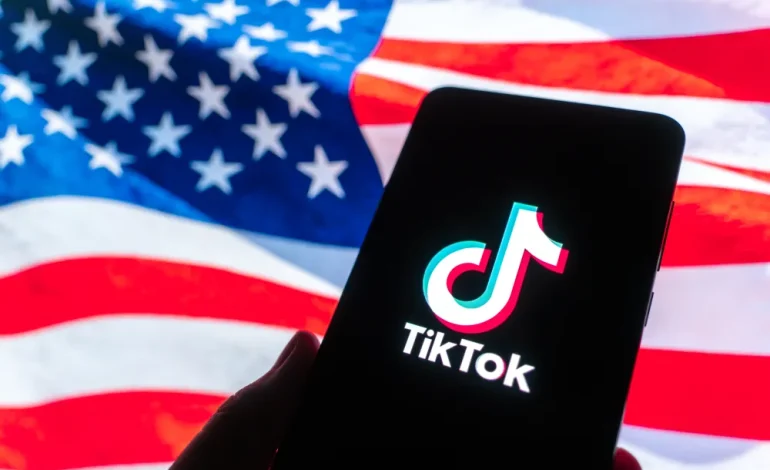
TikTok has been on shaky ground in the US for more than a year. A law passed in 2024 aimed to ban the app unless its Chinese parent, ByteDance, divested its American operations over national security and data-privacy concerns – a deadline that kicked off a wild security, legal and political drama.
Now, a deal struck in December 2025 could keep TikTok alive in the States – and put it under the control of US investors including Oracle, Silver Lake, and MGX, with Oracle playing a leading role.
At the heart of this new setup is a joint venture that will run the US TikTok business, with Americans holding the majority stake and ByteDance trimmed back to under 20 % ownership to meet US regulatory demands. Oracle will run user data storage locally and is slated to oversee content moderation and the recommendation system used on the app.
For starters, it likely saves TikTok from a ban that would have booted over 170 million Americans off the platform – especially younger users who rely on TikTok for entertainment, community, activism and even income.
Under the new structure:
- Your data stays in the US, hosted on Oracle’s secure cloud, rather than being accessible overseas – a major point of political contention.
- The algorithm that drives those addictive “For You” feeds will be retrained on US user data and controlled domestically, signaling a shift from Beijing’s influence – although exactly who owns or licenses the core formula is still a bit murky.
- Content moderation and policy decisions will be made by the American-based entity, which could eventually reshape what you see in your feed – for better or worse, depending on your viewpoint.
That last part matters because TikTok’s original algorithm – its “secret sauce” for keeping people glued to short clips – is widely considered the core reason the app blew up in the first place, outperforming competitors like Reels or Shorts.
There’s also a broader media angle: Oracle’s Larry Ellison – a powerful, politically connected tech veteran – and his son’s entertainment holdings make this more than just a corporate deal. Critics worry it could concentrate influence over one of America’s biggest media touchpoints in a handful of billionaire hands.
For everyday users, though, the bottom line is simple: TikTok isn’t going away anytime soon, and this transition – if approved by regulators and China – means the platform stays part of daily social media life in the US while trying to address security concerns that once threatened its existence.



The latest news in your social feeds
Subscribe to our social media platforms to stay tuned