


Trump vs. Wind Turbines: A Long-Running Grudge Turns Into Policy

The New York Times, Politico, Axios contributed to this report.
President Trump has never exactly been shy about his dislike for wind farms. He thinks they’re ugly, overpriced, and not worth the trouble — and he’s been saying it for years.
Back in 2014, when a wind farm popped up near one of his golf courses in Scotland, he was furious. In a now-famous post aimed at a Scottish politician, Trump complained that “the windmill hovering over hole 14 is disgusting & inappropriate.” That wasn’t a one-off tantrum — it was basically a preview of how he’d treat wind energy once he got back into the White House.
And that’s exactly what’s playing out now.
On his first day in office this year, Trump moved to freeze new wind projects on public lands and waters. A judge later called the order “arbitrary” and said it violated federal law. But the administration didn’t back off. Instead, it doubled down.
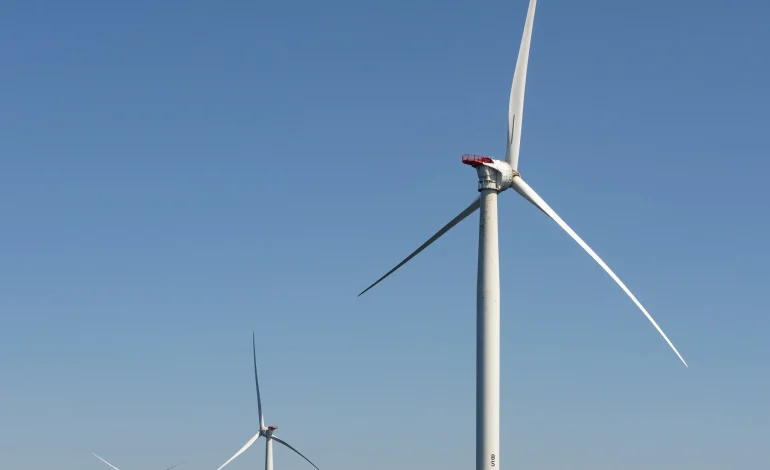
On Monday, the Interior Department said it would halt leases for five offshore wind farms currently under construction off the East Coast, a move that amounts to a gut punch for the US offshore wind industry. Those projects were expected to generate enough electricity to power more than 2.5 million homes and businesses, according to reporting from The Washington Post.
To justify the decision — and avoid looking like the policy is simply fueled by personal dislike — Interior Secretary Doug Burgum pointed to national security.
He argued the pause is meant to address “emerging national security risks,” including the idea that offshore wind projects near major East Coast population centers could create vulnerabilities. Burgum said the Pentagon has produced classified reports raising concerns, and the Energy Department has flagged the possibility that turbines could interfere with radar systems.
Is that radar concern real? Sort of — with a big asterisk.
Military studies have looked at offshore wind and radar interference before, and they’ve found that turbines can create radar “clutter.” But those studies also generally conclude the risk can be managed through planning, siting, and mitigation.
One wind farm developer pushed back hard, saying the project had worked closely with the military and noting that its two pilot turbines have been operating for five years without any national security issues.
So the debate here isn’t whether turbines can affect radar — it’s whether that risk is being used as a manageable engineering issue… or a convenient reason to hit pause on an industry the president already dislikes.
Trump’s anti-wind track record is packed with claims — but many of them don’t exactly come with receipts. Over the years, he’s said wind farms tank property values, kill birds at alarming rates, and even suggested wind turbines cause cancer. More recently, he’s claimed they’re “driving the whales crazy,” even as his administration has moved to weaken other environmental protections in separate actions.
Critics say it’s part of a broader pattern: roll out big new restrictions quickly, justify them with sweeping claims, and release little to no public evidence.
Supporters argue the administration is acting decisively — especially when it comes to national security — and that the government shouldn’t have to publish sensitive reports to prove its point.
Either way, the result is the same: offshore wind developers are suddenly staring at huge uncertainty, and the industry that was building momentum along the Atlantic coast is now stuck in limbo — with lawsuits and political backlash likely not far behind.


The latest news in your social feeds
Subscribe to our social media platforms to stay tuned