




Drillers to Judge: Take It Up With Politics, Not the Environment, in Wyoming Mega-Oilfield Fight

The original story by for WyoFile.
Wyoming’s biggest oil and gas showdown is back in court — and the companies behind a Delaware-sized drilling project are basically telling a judge: this isn’t an environmental-law problem, it’s a politics problem.
That’s the gist of a Dec. 8 filing from Continental Resources and its allies as a long-running lawsuit over the Converse County Oil and Gas Project drags into a new phase. Conservation groups say federal officials are illegally letting drilling move forward even though a judge already hit pause last year. Industry says the feds did the paperwork, ran the numbers, and made the call — and if environmentalists don’t like it, their remedy is the ballot box, not the courtroom.
Here’s the backstory. In 2024, Federal Judge Tanya Chutkan halted drilling across roughly 1.5 million acres — a massive area tied to a plan for up to 5,000 wells — until environmental questions were sorted out. The lawsuit, filed in 2022 by the Powder River Basin Resource Council and Western Watersheds Project, argued the Bureau of Land Management (BLM) botched key analysis, including groundwater impacts.
Now conservationists say the government is skirting that injunction anyway. Their claim: BLM started issuing new drilling approvals this summer — 255 permits, according to court filings — and development appears to have begun. In their view, that’s not “continuing the process,” that’s working around the court’s stop-work order.
Continental and other drillers — including Devon Energy and Anschutz Exploration, plus the Petroleum Association of Wyoming — say the conservation groups are trying to keep the project tied up forever by constantly adding new claims.
Their argument is essentially:
- BLM did a massive environmental review (they point to a 1,108-page Final Environmental Impact Statement).
- BLM also did additional, shorter reviews for the new permits.
- The agency weighed impacts and alternatives, then greenlighted drilling.
And if environmental groups simply disagree with that outcome? Continental’s filing says that’s a policy dispute — and policy disputes belong in the “political process,” not under the National Environmental Policy Act (NEPA).
In plain English: stop asking judges to referee what should be fought out in elections and agency leadership.
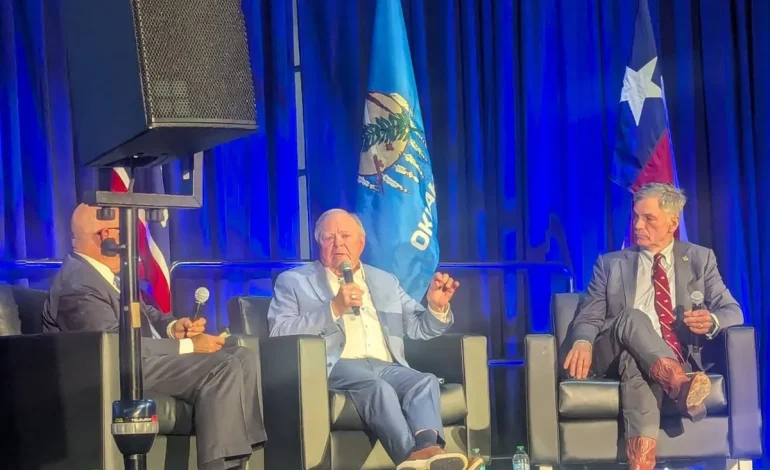
Hovering over the whole case is one name: Harold Hamm, the Continental Resources founder, major Trump donor, and energy heavyweight. Conservationists argue his influence is part of why drilling seems to be advancing even with an injunction in place.
Hamm is also politically connected to top officials now overseeing energy and permitting policy, including Interior Secretary Doug Burgum, and the administration has stocked key posts with officials viewed as industry-friendly. Wyoming Gov. Mark Gordon has praised that alignment publicly, framing it as a return to letting states and energy allies drive development.
The newest court filings get technical, but the conservation groups are also spelling out the on-the-ground impacts they say give them the right to sue. They claim members who visit the area will face:
- air pollution;
- industrial noise;
- noxious odors;
- traffic hazards;
- degraded views and stargazing;
- fewer wildlife-viewing opportunities.
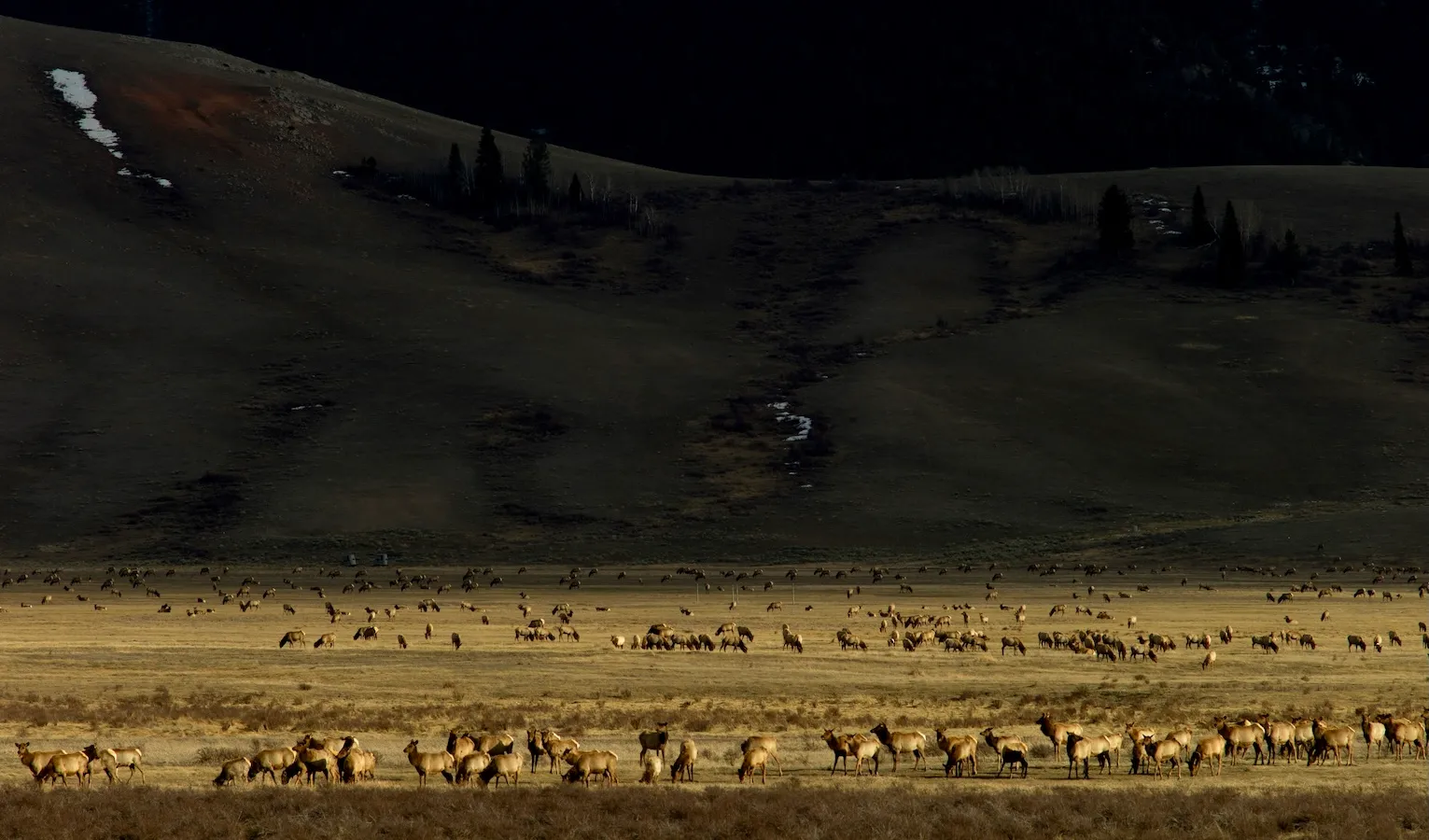
They also warn the project could wipe out or severely damage wildlife habitat, including sage grouse breeding grounds and raptor nests.
One example they cite: a member reported counting 42 semis in a five-mile stretch, hauling drilling-related materials.
Right now, the court battle isn’t even fully about drilling impacts — it’s about whether conservationists can supplement their lawsuit with new claims tied to the 255 permits.
Drillers and the government say:
- the case is already far along,
- new claims would slow everything down,
- and the groups may not have “standing” (legal proof they’re personally harmed).
Conservationists say:
- the new permitting is directly connected to the original dispute,
- it’s happening under the shadow of the injunction,
- and the rules generally allow updated pleadings when new developments arise.
As of the latest filings, Judge Chutkan hadn’t scheduled the next step. But the lines are clear:
- Conservationists: BLM is bending the rules and dodging a court-ordered halt.
- Industry and government: the agency did its analysis, and this belongs in politics, not court.
And hanging over it all is the uncomfortable question the case keeps circling: if a judge presses pause on a mega-project, what does “pause” actually mean when agencies still control the permitting machinery?


The latest news in your social feeds
Subscribe to our social media platforms to stay tuned