





Moscow Explosions and Peace Talks: Where the Russia-Ukraine War Stands Now
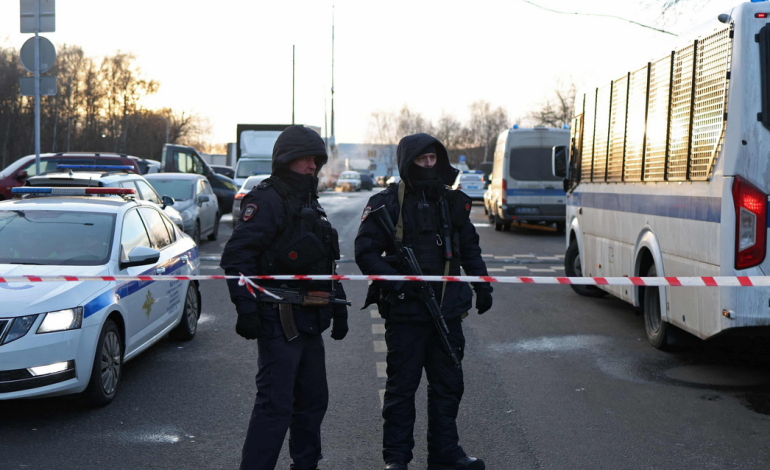

A serious blast in Moscow has added a dramatic twist to the already tense Russia-Ukraine war, coming as Ukrainian President Volodymyr Zelensky puts forward a new peace framework that could reshape the conflict’s trajectory. Here’s a snapshot of the latest developments – from explosions in Russia’s capital to shifting negotiating positions in Kyiv and Washington.
An explosion in the Russian capital on Wednesday killed two traffic police officers and a bystander, Russian authorities said, as officers were reportedly approaching a suspicious individual when a device went off. That blast came near the site where a senior Russian general was killed a couple of days earlier, intensifying fears over security inside Moscow. Russian investigators have opened criminal cases, and while authorities hinted at possible Ukrainian involvement in the violence, Kyiv has not officially commented on the incidents.
These incidents are part of what Russian state media and officials describe as a string of attacks in recent months, which Moscow often links to Kyiv or Western intelligence, while Western reporting suggests such claims are hard to verify independently.
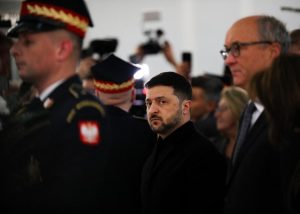
While the war continues on the battlefield, Zelensky has been pushing a revamped peace strategy. Over weeks of negotiations with US officials, Kyiv and Washington have drafted a new 20-point peace plan that aims to put the long war on a diplomatic track. A key feature is Zelensky’s openness to a demilitarized “free economic zone” in parts of eastern Ukraine’s Donbas region, contingent on Russian troop withdrawals and heavy international oversight – and subject to a Ukrainian referendum before it could take effect.
This marks a notable shift toward compromise, especially on territory that has been fiercely contested since the full-scale invasion began nearly four years ago. Officials involved say Russia’s response is still unclear, and Moscow has yet to formally accept the proposal.
Most elements of the peace plan have reportedly achieved consensus between Kyiv and Washington – such as mutual security guarantees resembling NATO’s Article 5 and limits on Ukraine’s peacetime force structure – but two major flashpoints remain unsettled: control of the Zaporizhzhia nuclear power plant and the future status of the Donbas region. Zelensky’s team reportedly prefers joint US–Ukraine control of the plant rather than the earlier US proposal to include Russia, something Moscow insists on.
The next phase of diplomacy is expected to test how far Russia is willing to engage with this kind of deal – and whether Moscow will take up what Kyiv and its allies describe as a serious effort to halt a war that has reshaped European security.
Even as talks continue, the war hasn’t paused. Recent strikes – including reported drone attacks on Moscow and Ukraine’s energy infrastructure – underline a continuing cycle of violence. The situation highlights how negotiations and combat operations are running in parallel, shaping global perceptions of the conflict’s direction.
Analysts say that the peace talks represent the most substantive push toward a negotiated end yet, but with territory, nuclear issues, and security guarantees still unresolved, any final settlement remains distant. For now, both sides appear to be testing whether compromise can outpace the war machine that continues to churn on both fronts.



The latest news in your social feeds
Subscribe to our social media platforms to stay tuned