


NSW Rushes Through Tough New Gun Limits and Wider Protest Powers After Bondi Attack
- Published December 24, 2025

With input from the New York Times, Reuters, Al Jazeera, and ABC News.
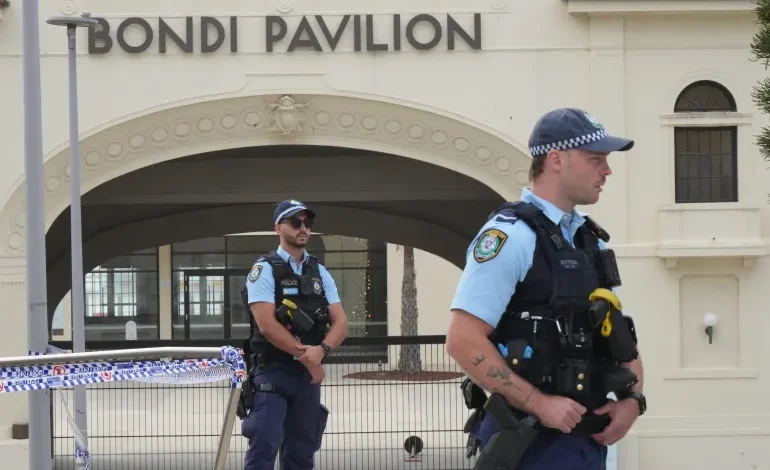
Sydney is still shaken after last week’s deadly Bondi Beach attack — and now New South Wales has moved fast to tighten the rules.
In the early hours of Wednesday morning, the NSW parliament passed a new package of laws that further restrict gun ownership and give police expanded powers to shut down or limit protests in the wake of a declared terrorism incident. The government says the measures are about public safety. Critics say parts of the bill go too far — especially when it comes to civil liberties.
The legislation landed just 10 days after the Bondi Beach mass shooting, which killed 15 people at a Hanukkah celebration and became Australia’s deadliest shooting in decades. NSW Premier Chris Minns called the reforms “extraordinary” but argued the moment demanded them, saying the state had been changed “forever” by the attack.
The laws were debated for hours and passed around 3 a.m., with government and opposition support pushing them through quickly.
The firearms changes are the part that’s drawn the most public backing.
Under the new rules, most gun licence holders will be capped at four firearms, while farmers and some rural users can hold more (up to 10, under certain conditions). The government also plans to audit existing licences and run a gun buyback program with federal support.
The Bondi shooter, Sajid Akram, reportedly had six legally obtained firearms — a detail the government has repeatedly pointed to as it argues the old rules weren’t strict enough.
The more controversial part of the package is what it means for protests.
The new legislation gives police authority to restrict or disperse protests for up to 90 days after an incident has been declared terrorism. Supporters say it’s about preventing tensions from boiling over in the immediate aftermath of an attack. Opponents argue it risks treating peaceful protest as a threat — and could chill free speech.
That concern has been especially loud from groups involved in pro-Palestinian demonstrations in Sydney, who say the new powers could be used to shut down lawful rallies. Some activists and lawmakers also warned that the changes could blur the line between extremist violence and legitimate political dissent.
The new package also includes measures to criminalize the public display of flags and symbols linked to groups Australia deems terrorist organizations, including Islamic State, Hamas and Hezbollah.
Minns has also signalled the government will explore further restrictions on certain chants and slogans, arguing that “words can lead to actions” during periods of heightened tension.
Some elements — particularly the ownership cap and parts of the protest restrictions — are expected to take effect quickly. Meanwhile, protest organizers and civil liberties voices have flagged legal challenges, calling the protest powers “draconian” and accusing the government of exploiting a national tragedy to expand policing powers.
For now, NSW has drawn a clear line: tougher gun laws with broad public approval — and tougher protest controls that are already sparking a fight over where public safety ends and civil liberties begin.

The latest news in your social feeds
Subscribe to our social media platforms to stay tuned