

US Shuts the Door on European Online-Safety Critics as Visa Row Erupts
- Published December 25, 2025

With input from BBC, CNBC, Axios, and the Guardian.
Two British campaigners have been swept up in a fresh US visa crackdown after the Trump administration accused a small group of European figures of trying to pressure American tech platforms into “suppressing” free speech.
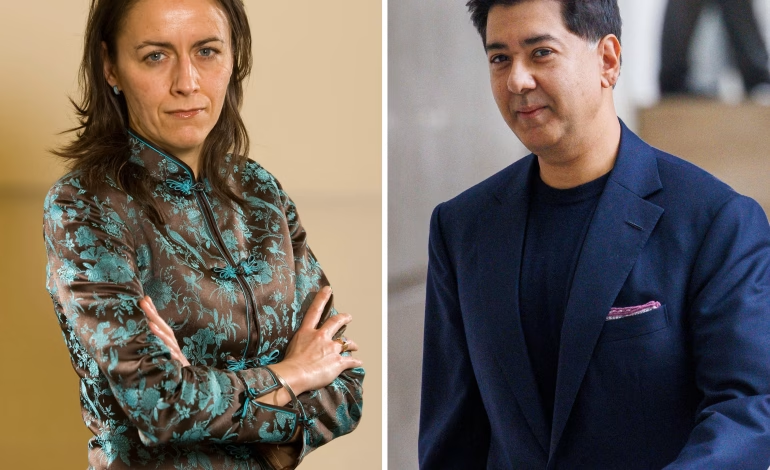
The US State Department denied visas to five people, including Imran Ahmed, a former Labour adviser who now runs the Centre for Countering Digital Hate (CCDH), and Clare Melford, the CEO of the Global Disinformation Index (GDI). Washington branded them “radical activists” and framed the move as pushback against what it called efforts to “coerce” US companies into censorship.
Also blocked from entering the US were Thierry Breton, the former EU commissioner closely associated with the bloc’s flagship online rulebook, the Digital Services Act (DSA), plus Anna-Lena von Hodenberg and Josephine Ballon of HateAid, a Germany-based group that supports targets of online abuse and has been involved in debates around enforcement of digital rules.
Secretary of State Marco Rubio cast the bans as part of an “America First” line in foreign policy, saying the US won’t tolerate “extraterritorial overreach” that targets American speech and American firms. He described the five as part of a “global censorship-industrial complex,” arguing they’ve pushed foreign crackdowns that end up shaping what Americans can say online.
US Undersecretary of State Sarah B. Rogers singled out GDI in particular, accusing it of using US taxpayer money “to exhort censorship and blacklisting of American speech and press.”
The backlash from Europe was immediate.
- French President Emmanuel Macron called the visa denials “intimidation” and said the measures were aimed at undermining European digital sovereignty.
- The European Commission said it strongly condemned the move and asked Washington for clarification, stressing that freedom of expression is a shared core value — and that Europe has the right to regulate its own digital space.
- Spain’s foreign ministry called the bans “unacceptable measures between partners and allies.”
Breton, never shy online, suggested a “witch hunt” and posted:
“To our American friends: Censorship isn’t where you think it is.”
The names aren’t random — they sit right on the fault line of today’s biggest transatlantic fight: who gets to set the rules for Big Tech.
Breton is widely seen as the political architect of the DSA, which forces platforms like Google and Meta to clamp down harder on illegal content and manage systemic risks — with major fines on the table. That law has angered US conservatives who argue it can morph into viewpoint policing. Brussels denies that, insisting it targets illegal content and platform accountability, not politics.
Ahmed’s CCDH has also drawn high-profile enemies, including Elon Musk, after publishing reports about hate and extremism on X. Ahmed’s Labour connections are part of the political heat here too: he previously advised Labour’s Hilary Benn, and Morgan McSweeney — now Keir Starmer’s chief of staff — previously served as a director of the group Ahmed founded.
Melford’s GDI, which tracks disinformation and how it spreads, says it’s being punished for its work monitoring online manipulation.
GDI hit back hard, calling the visa sanctions “an authoritarian attack on free speech” and “an egregious act of government censorship,” arguing the US is using state power to intimidate critics rather than defend open debate.
HateAid’s leaders, von Hodenberg and Ballon, described the bans as repression, saying they won’t be intimidated by accusations of censorship being used — in their view — to silence people who argue for human rights and responsible online governance.
London took a more measured tone than Paris or Brussels. A UK government spokesperson said the government is “fully committed” to upholding free speech, while also backing laws and institutions meant to keep the internet free from the most harmful content — basically trying not to pick a fight with Washington while defending the idea of online regulation.
Strip away the rhetoric, and this looks like the start of a tougher US stance against foreign digital regulation that touches American platforms — especially rules like the DSA (and, by extension, the UK’s Online Safety Act) that can shape global content policies.
Europe says it’s defending consumers, elections, and safety online. The Trump administration says Europe is exporting censorship and trying to set rules for American speech. And with tech platforms stuck in the middle, the visa bans may be less about five individuals — and more about warning everyone else in the regulation world: push too hard on US platforms, and Washington might push back personally.


The latest news in your social feeds
Subscribe to our social media platforms to stay tuned