



Yemen’s Southern Separatists Say Saudi Jets Hit Them After Pullout Warning

With input from Reuters, the Hill, and AP.
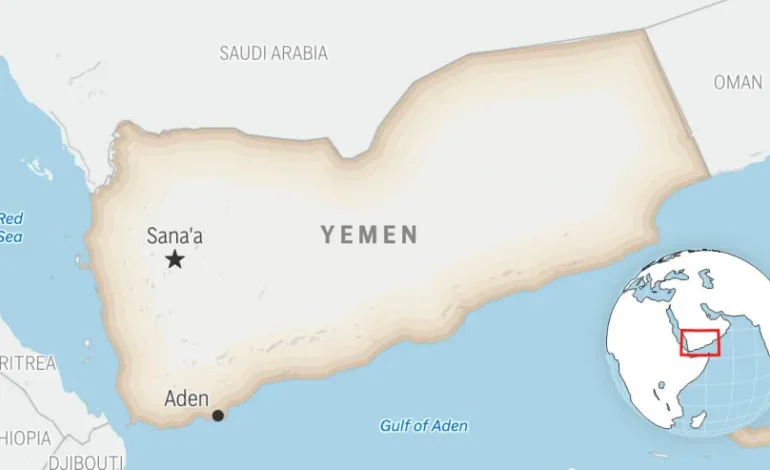
Southern Yemeni separatists say Saudi Arabia bombed their forces in the country’s east — a claim Riyadh hasn’t confirmed — after the kingdom warned them to get out of two governorates they recently moved into.
The Southern Transitional Council (STC), a UAE-backed group that wants an independent South Yemen, said the airstrikes hit in Hadramout on Friday. Details are still murky, including whether anyone was killed or injured, but the accusation alone is enough to crank up tensions inside a coalition that’s already fragile after years of war.
Amr Al Bidh, a foreign affairs representative for the STC, told the Associated Press that the group’s fighters were operating in eastern Hadramout when they were hit by “multiple ambushes” from gunmen. He said those attacks killed two STC fighters and wounded 12 more — and that the Saudi strikes came afterward.
A tribal leader in Hadramout, Faez bin Omar, said he believed the strikes were basically a warning shot: a message to the STC to withdraw. An eyewitness, Ahmed al-Khed, said he saw destroyed military vehicles afterward and believed they belonged to forces allied with the STC. The STC’s AIC satellite channel also aired what it said was phone footage of the strikes, including a man blaming Saudi aircraft.
Saudi officials didn’t immediately respond to a request for comment.
The timing isn’t random. On Thursday — just a day earlier — Saudi Arabia publicly called on the STC to pull its forces back after the group moved into Hadramout and Mahra earlier this month. Those moves pushed out the Saudi-backed National Shield Forces, another player in the anti-Houthi camp.
That’s the big problem: Yemen’s war isn’t just “government vs. Houthis.” The anti-Houthi side is splintered, with Saudi Arabia and the United Arab Emirates backing different groups on the ground. When one of those groups expands territory, it can turn allies into rivals fast.
The STC has been leaning harder into the symbols of a separate southern state — including the flag of South Yemen, which existed from 1967 until unification in 1990. In Aden, demonstrators rallied Thursday backing calls for the south to split off again.
The UAE, which backs the STC, didn’t pile on Saudi Arabia. Instead it released a diplomatic-sounding statement saying it “welcomed” Saudi efforts to support security and stability in Yemen and reaffirmed its commitment to stability and development.
Translation: Abu Dhabi doesn’t want this dispute to blow up into an open feud — at least not on paper.
All of this is playing out in a country that’s already been shattered by a decade of conflict. The Iran-aligned Houthis seized Sanaa in 2014, forcing the internationally recognized government into exile. A Saudi-led coalition entered the war in 2015, and years of fighting have pushed Yemen into one of the world’s worst humanitarian disasters.
More than 150,000 people have been killed, including fighters and civilians, and tens of thousands more have died from the broader fallout of the crisis.
Meanwhile, the Houthis have also attacked shipping in the Red Sea corridor in connection with the Israel-Hamas war, rattling global trade routes — and dragging outside powers deeper into the mess. The US carried out a major bombing campaign against the Houthis earlier this year, which President Trump halted just before his Middle East trip in October.
Now, the fear is that a Saudi-STC confrontation — even a limited one — could fracture the anti-Houthi front further, opening the door for more chaos in a war that has never really stopped expanding.



The latest news in your social feeds
Subscribe to our social media platforms to stay tuned