




AP, the Guardian, Al Jazeera, and Reuters contributed to this report.
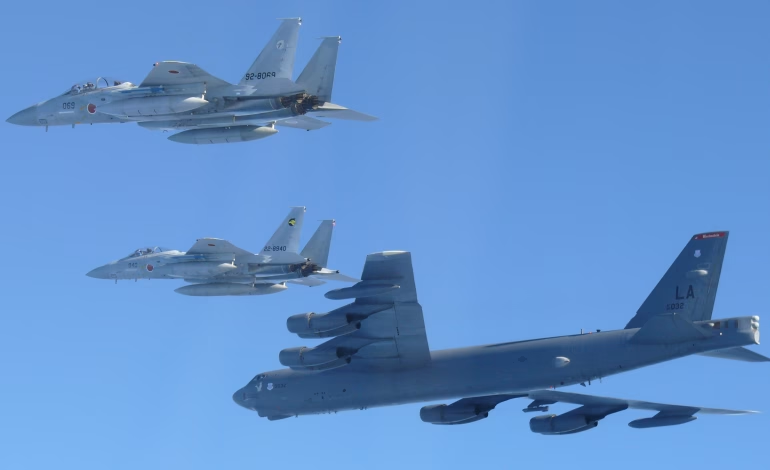
Japan’s Cabinet just signed off on a record defense budget topping 9 trillion yen (about $58 billion) for the next fiscal year, and it’s pretty clear what Tokyo’s trying to do: make China think twice — especially around the country’s vulnerable southwestern islands and the Taiwan flashpoint.
The plan for fiscal 2026 (starting in April) is up 9.4% from the previous year, and it lands in year four of Japan’s five-year sprint to double defense spending to roughly 2% of GDP — a major shift for a country that spent decades keeping its military footprint intentionally limited after World War II.
The headline item is missiles — lots of them, and longer-range than Japan used to feel comfortable even talking about.
More than 970 billion yen is carved out for “standoff” capability, including Type-12 surface-to-ship missiles upgraded to reach about 1,000 kilometers. Japan also wants the first batch deployed in Kumamoto sooner than planned, because the government isn’t exactly in the mood to wait while regional pressure rises.
This is the part that still makes some people do a double-take: Japan is leaning harder into the idea that it needs the ability to hit enemy targets from farther away — not just defend its own territory in the moment.
The other big bet is unmanned systems. Japan’s military has a staffing problem thanks to an aging population and a recruiting crunch, so the logic is: if you can’t get enough boots, you buy more robots.
The budget includes about 100 billion yen for a drone-heavy coastal defense concept called “SHIELD,” designed to use large numbers of air, surface and underwater unmanned systems for surveillance and defense, with a target rollout by March 2028. Japan may initially rely on imports — with names like Turkey or Israel being floated as potential sources.
This budget isn’t happening in a vacuum. Tensions have been rising, and Tokyo has been openly more blunt about China than it used to be. Prime Minister Sanae Takaichi has even suggested Japan could get involved if China takes action against Taiwan — a remark that helped pour gasoline on an already touchy relationship.
Meanwhile, Japan’s Defense Ministry has been tracking China’s expanding activity deeper into the Pacific and says it’s setting up more capacity internally to study and respond to that pace and scale.
The defense plan still needs parliamentary approval by March as part of Japan’s broader national budget package. And even if lawmakers go along, the awkward follow-up remains: how long can Japan keep ramping up at this speed while juggling taxes, debt, and public buy-in?
For now, though, Tokyo’s message is pretty simple: the old “strictly defensive, keep it modest” playbook is being rewritten — and the new version comes with missiles, drones, and a much bigger price tag.



The latest news in your social feeds
Subscribe to our social media platforms to stay tuned