

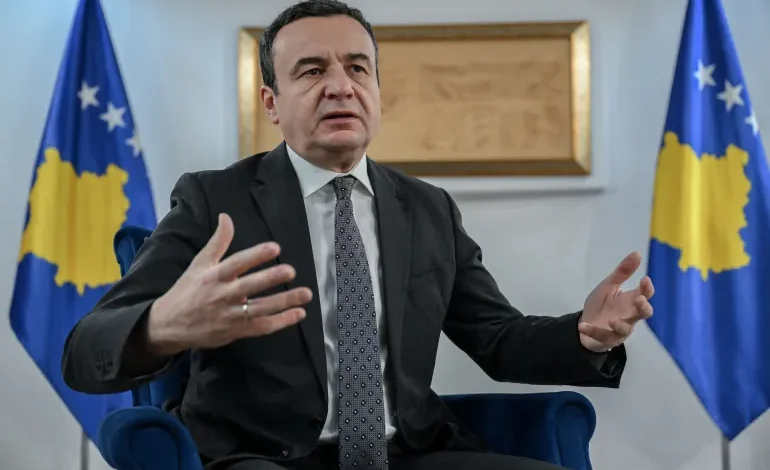

Kosovo is heading back to the polls for the second time in 11 months, with Prime Minister Albin Kurti hoping a fresh vote will finally break a yearlong political deadlock and deliver him a governing majority.
Polling stations opened at 7am local time (06:00 GMT) on Sunday and will close at 7pm (18:00 GMT), with exit polls expected shortly after voting ends.
The snap parliamentary election was called after Kurti’s Self-Determination Movement (LVV) won the most votes in the February 9 election but failed to secure enough seats to form a government. Opposition parties refused to join a coalition, leaving parliament paralysed.
The impasse comes at a sensitive moment. Kosovo’s lawmakers must elect a new president in April and ratify about 1 billion euros ($1.2bn) in loan agreements from the European Union and the World Bank that are set to expire in the coming months. Further delay could carry heavy political and economic costs.
Kurti’s critics accuse him of straining relations with Western allies and mishandling tensions in the country’s north, where an ethnic Serb minority lives. Those disagreements have hardened opposition resistance to governing alongside him.
Despite backing from parts of the electorate and international recognition, Kosovo, home to about 1.6 million people, continues to struggle with poverty, instability and organised crime. Kurti’s government, first elected in 2021, was the first in Pristina to complete a full term.
In his campaign, Kurti has promised an extra month’s salary each year for public-sector workers, 1 billion euros annually in capital investment and the creation of a special prosecution unit to tackle organised crime. Opposition parties, meanwhile, have focused on pledges to improve living standards and reduce economic hardship.
With opinion polls banned in Kosovo, the outcome remains uncertain. Voter fatigue and disillusionment are widespread.
“There wouldn’t be great joy if Kurti wins, nor would there be if the opposition wins. This country needs drastic changes, and I don’t see that change coming,” said Edi Krasiqi, a doctor, speaking to Reuters.

The latest news in your social feeds
Subscribe to our social media platforms to stay tuned