





New York follows Australia’s example to label ‘addictive’ social media, as surveillance fears shadow youth protection push
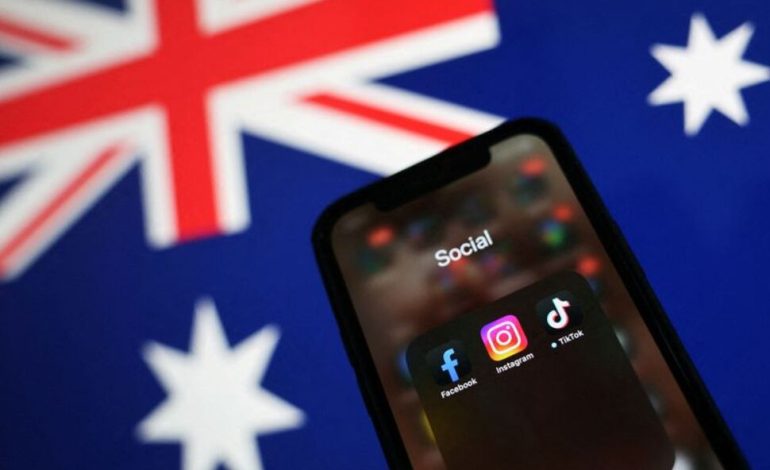

New York has become the latest US state to confront the mental health impact of social media on young people, passing a law that forces platforms with infinite scrolling, autoplay and algorithmic feeds to carry health warnings about their potential harm.
Governor Kathy Hochul signed the bill into law on Friday, framing it as a child safety measure comparable to warnings on cigarettes or plastic packaging. Platforms that fail to comply once the rules take effect could face civil penalties of up to $5,000 per violation, enforced by the state attorney general.
“Keeping New Yorkers safe has been my top priority since taking office, and that includes protecting our kids from the potential harms of social media features that encourage excessive use,” Hochul said in a statement.
The law targets design features rather than content. It applies to platforms that rely on infinite scroll, autoplay and algorithm-driven feeds, mechanisms the legislation explicitly describes as “addictive”. According to the text, “research shows that social media exposure overstimulates reward centers, creating pathways comparable to those of an individual experiencing substance use or gambling addictions”.
It will apply to activity occurring partly or wholly in New York, but not when platforms are accessed by users physically outside the state.
The policy push fits into a wider US and global shift. States such as California and Minnesota have already passed youth-focused social media regulations, while school districts across the US are suing tech companies over alleged harm to children’s mental health. Beyond the US, Australia has gone further, banning social media access altogether for under-16s, with countries including Malaysia and Denmark signalling similar plans.
But beneath the child protection framing, a more complex and uneasy set of connections is emerging, particularly around surveillance, data access and political expression.
His warning highlights a quiet but significant overlap between social media governance, immigration screening and political surveillance. While New York’s law is about labelling platform features, it lands in a broader environment where social media activity increasingly functions as a proxy record of beliefs, associations and dissent.
Technology companies have so far stayed silent. TikTok, Snap, Meta and Alphabet had not issued public responses at the time of writing.
What makes New York’s move notable is not just the warning labels themselves, but the language lawmakers are using. By explicitly likening algorithmic feeds to gambling or substance addiction, the state is reframing social media design as a public health issue rather than a matter of individual choice or parental oversight. That shift opens the door to tougher regulation, but also raises questions about who decides what is harmful and how such judgments might be enforced.
As governments tighten their grip on social platforms in the name of protecting children, critics argue that the same tools can normalise broader monitoring of behaviour, speech and identity.



The latest news in your social feeds
Subscribe to our social media platforms to stay tuned