





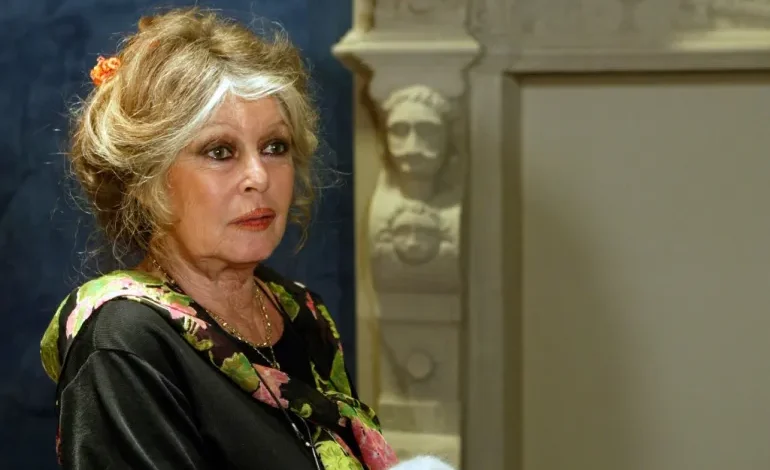

Brigitte Bardot, the French film star who helped redefine postwar cinema before abandoning fame for activism and controversy, has died at the age of 91.
Bardot was one of the most recognisable cultural figures of the 20th century. In the 1950s and 1960s, she embodied a new, defiant femininity that challenged conservative norms and reshaped how women were portrayed on screen. Her performances, looks and unapologetic independence made her an international icon and a symbol of sexual liberation in a still-cautious Europe.
At the height of her fame, Bardot walked away. In 1973, she quit acting entirely, retreating from cinema while still globally famous. What followed was not quiet retirement, but reinvention.
She re-emerged as a fierce campaigner for animal rights, founding the Brigitte Bardot Foundation and lobbying relentlessly against animal cruelty, hunting and the transport of live animals for slaughter. In France, her activism helped push animal welfare into mainstream political debate.
Over time, however, Bardot’s public image shifted again. Her outspoken political views, particularly her repeated attacks on immigration and Islam, drew condemnation and legal consequences. She was fined multiple times for hate speech, and her alignment with far-right ideas transformed her from a countercultural icon into a deeply polarising figure.
The arc of Bardot’s life mirrors broader tensions in modern France: liberation and backlash, celebrity and withdrawal, activism and provocation. To admirers, she remained uncompromising and authentic, refusing to soften her views or her past. To critics, she became a cautionary tale of how rebellion can harden into intolerance.


The latest news in your social feeds
Subscribe to our social media platforms to stay tuned