
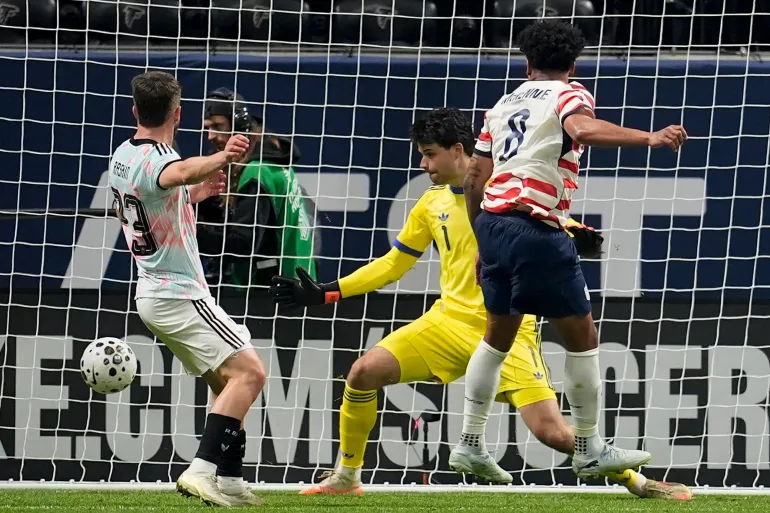


Guinea is holding a presidential election widely expected to formalise the rule of General Mamady Doumbouya, the military officer who seized power in a 2021 coup and has since reshaped the country’s political landscape.
Polling stations opened at 07:00 GMT on Sunday and will close at 18:00 GMT, with about 6.7 million registered voters eligible to cast ballots. Doumbouya, 41, a former special forces commander, is running against eight other candidates, but the race is overshadowed by the absence of Guinea’s most prominent civilian figures. Former President Alpha Conde and longtime opposition leader Cellou Dalein Diallo remain in exile, while the opposition has called for a boycott.
For critics, the vote is less about choice than consolidation. Under Doumbouya, Guinea has effectively “reverted to what it has essentially known since independence in 1958: authoritarian regimes, whether civilian or military”, Gilles Yabi, founder of the West African think tank Wathi, told AFP.
Political space has narrowed sharply since the coup. Civil society groups accuse the authorities of banning protests, intimidating opponents and squeezing independent media. United Nations human rights chief Volker Turk said the campaign period “has been severely restricted, marked by intimidation of opposition actors, apparently politically motivated enforced disappearances, and constraints on media freedom”. These conditions, he warned, “risk undermining the credibility of the electoral process”.
Diallo has dismissed the vote as “an electoral charade” designed to legitimise “the planned confiscation of power”.
The election follows a controversial constitutional referendum in September, which the opposition also boycotted. The new constitution cleared the way for military leaders to run for office and extended presidential terms from five to seven years, renewable once, changes that directly benefited Doumbouya’s bid.
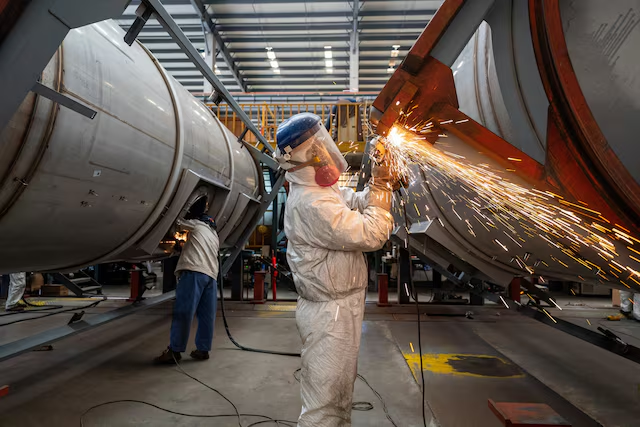
Yet the general still commands real support, particularly among younger Guineans. His government has embraced a form of resource nationalism in a country rich in minerals but plagued by poverty, with 52 percent of the population living below the poverty line, according to the World Bank. Guinea holds the world’s largest bauxite reserves and is home to the massive Simandou iron ore project, finally launched last month after years of delay. Doumbouya has claimed credit for pushing the project forward and for taking a tougher line with foreign mining firms.

The latest news in your social feeds
Subscribe to our social media platforms to stay tuned