


Iran’s president urges dialogue as Tehran protests expose deepening economic strain
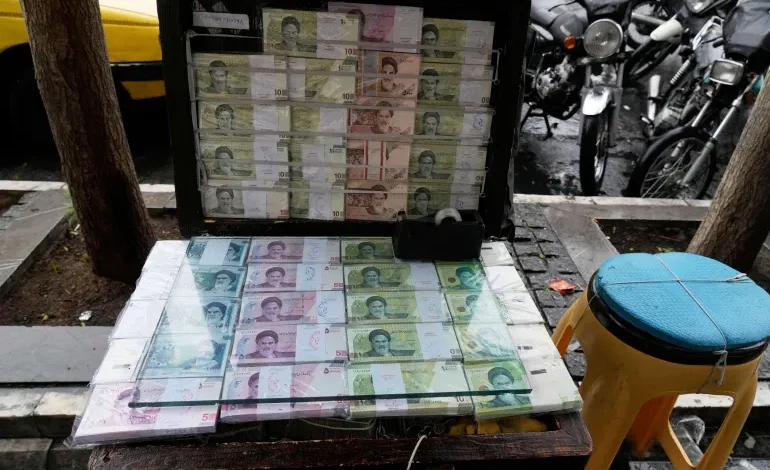

Iranian President Masoud Pezeshkian has called on his government to listen to protesters’ “legitimate demands” and promised to protect people’s livelihoods, after two days of demonstrations in Tehran driven by a collapsing currency and worsening economic conditions.
In comments posted on social media and carried by the state-run IRNA news agency on Tuesday, Pezeshkian acknowledged the anger on the streets, where shopkeepers have shut their businesses and protesters have chanted against soaring prices since Sunday.
“The livelihood of the people is my daily concern,” Pezeshkian wrote on X.
He said he had instructed the interior minister to engage directly with protest representatives, stressing that dialogue was needed so the government could “act with all its might to resolve problems and respond responsibly”.
Pezeshkian also said the government had “fundamental actions on the agenda” to reform Iran’s monetary and banking system and to preserve people’s purchasing power, which has been steadily eroded.
The protests erupted as the Iranian rial plunged to fresh record lows against the US dollar, extending weeks of rapid depreciation. The currency slide has coincided with intensified sanctions and diplomatic pressure from the United States and its allies, as well as renewed fears of conflict with Israel.
On Sunday, shopkeepers around Tehran’s Jomhouri district, a hub for technology and mobile phone sales, closed their stores and joined demonstrations. Similar scenes unfolded around the Grand Bazaar, with more protests following on Monday afternoon.
Videos circulating on social media showed demonstrators chanting, “Don’t be afraid, we are together,” while other clips captured riot police deploying tear gas to disperse crowds.
State media have reported on the unrest but have framed it narrowly as an economic protest linked to the currency collapse, downplaying broader political discontent with Iran’s ruling system.
The currency crisis is only one layer of Iran’s economic distress. Inflation is hovering around 50 percent, among the highest rates globally, and a proposed budget would raise taxes by 62 percent. At the same time, the country is grappling with an energy crunch and a severe water crisis, with many dams supplying Tehran and other major cities near empty.
Iran also operates one of the world’s most restrictive internet environments, limiting access to information as economic pressure mounts.
The protests come against a backdrop of rising regional and international tension. Pressure from the US, Israel and European governments over Iran’s nuclear programme has intensified, particularly after Israel and the US carried out strikes on Iranian targets in June during a 12-day conflict that Tehran says killed more than 1,000 people, including civilians and senior officials.
Memories of recent unrest remain fresh. Iran last experienced nationwide protests in 2022 and 2023 after the death of 22-year-old Mahsa Amini in police custody, sparking demonstrations that were met with a violent crackdown. Hundreds were killed, more than 20,000 arrested, and several protesters were executed.

The latest news in your social feeds
Subscribe to our social media platforms to stay tuned