




Strong numbers, uneasy public: US economy heads into 2026 with mixed signals

As the United States approaches 2026, the economic report card is anything but straightforward. On paper, the world’s largest economy looks resilient, even buoyant. However, in lived experience, many Americans feel the opposite.
After a turbulent year shaped by President Donald Trump’s return to the White House and a renewed turn toward tariffs and protectionism, growth has surprised on the upside. Trump has pointed to the latest figures as proof that the US is on the brink of an economic boom the “likes of which the world has never seen”.
But beneath the headline numbers sit vulnerabilities that complicate the picture, alongside deep public pessimism about household finances.
Here is how the US economy looks as 2025 comes to a close.
GDP growth driven by a narrow engine
Economic growth surged in the third quarter, with GDP expanding at an annualised rate of 4.3 percent, the strongest showing in two years and well ahead of other advanced economies. By comparison, the eurozone and the United Kingdom grew at 2.3 percent and 1.3 percent, while Japan contracted by 2.3 percent.
Much of that strength, however, rests on a narrow base. Multibillion-dollar investments in artificial intelligence by companies such as Microsoft, Amazon and Alphabet are estimated to have accounted for roughly 40 percent of overall growth this year.
That concentration leaves the economy heavily reliant on AI living up to its promise.
Consumer spending without confidence
Despite strong growth, consumer sentiment remains bleak. The University of Michigan’s index stood at 53.3 in December, near historic lows and not far above levels seen during the inflation peak of mid-2022.
Yet Americans keep spending. Consumer expenditure rose 3.5 percent in the third quarter, and Mastercard reported a 3.9 percent year-on-year increase in holiday spending.
The disconnect reflects inequality more than optimism. The top 10 percent of earners now account for about half of all consumer spending, the highest share since records began in 1989, according to Moody’s Analytics.
Rolf J Langhammer of the Kiel Institute for the World Economy was less upbeat, calling it a six “at best” and noting that growth has fallen short of early forecasts made at the start of Trump’s second term.
Stocks up, benefits uneven
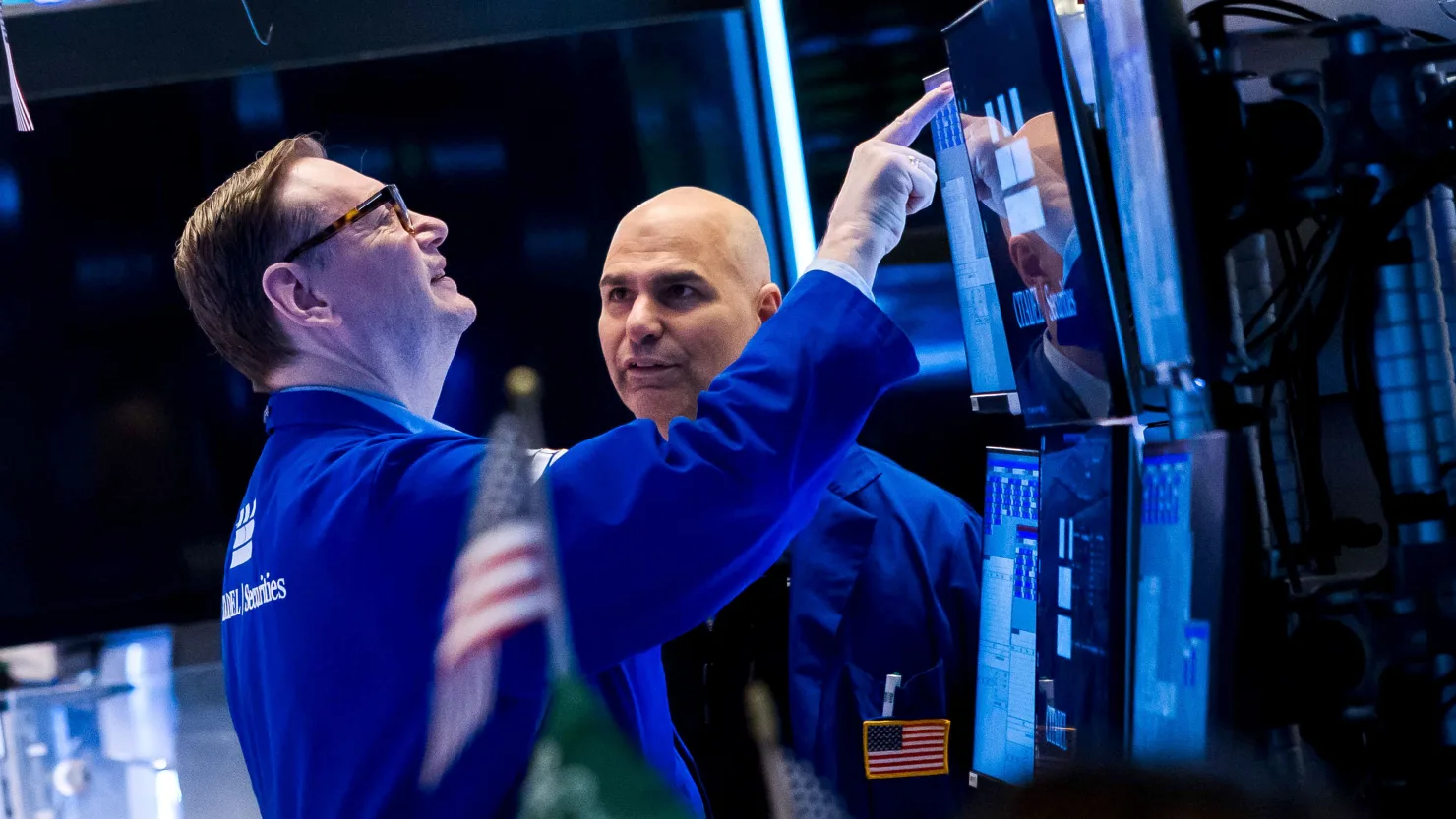
After sharp swings earlier in the year linked to tariff announcements, US stocks are ending 2025 strongly. The S&P 500 is up nearly 18 percent, well above its long-term average return.
But the gains are unevenly shared. While most Americans own some stocks, ownership ranges from 87 percent among households earning over $100,000 to just 28 percent among those earning under $50,000, according to Gallup.
Inflation easing, pressure lingering
Inflation has cooled more than many feared, despite Trump’s tariff agenda. Prices rose 2.7 percent year on year in November, still above the Federal Reserve’s 2 percent target but far below the 9.1 percent peak of June 2022.
Even so, living costs remain a major concern. In a PBS News/NPR/Marist poll this month, 70 percent of respondents said the cost of living was unaffordable.
Some economists warn that the inflationary impact of tariffs may yet show up in 2026 as earlier stockpiling fades. Langhammer said the effects are “likely to become more visible” next year, pointing to an average effective tariff rate of 17 percent, about five times higher than before Trump returned to office.
Jobs market losing momentum
Unemployment has crept up since January, reaching 4.6 percent in November, a four-year high. Trump has blamed government layoffs driven by Elon Musk’s Department of Government Efficiency, but those cuts explain only part of the rise.
While around 300,000 federal jobs were eliminated, the total number of unemployed Americans rose by about one million over the same period, according to official data.
The result is an economy that looks strong in aggregate but fragile in distribution, powered by a narrow set of technologies and enjoyed unevenly across society.



The latest news in your social feeds
Subscribe to our social media platforms to stay tuned