



With input from CNBC, Reuters, and the Guardian.
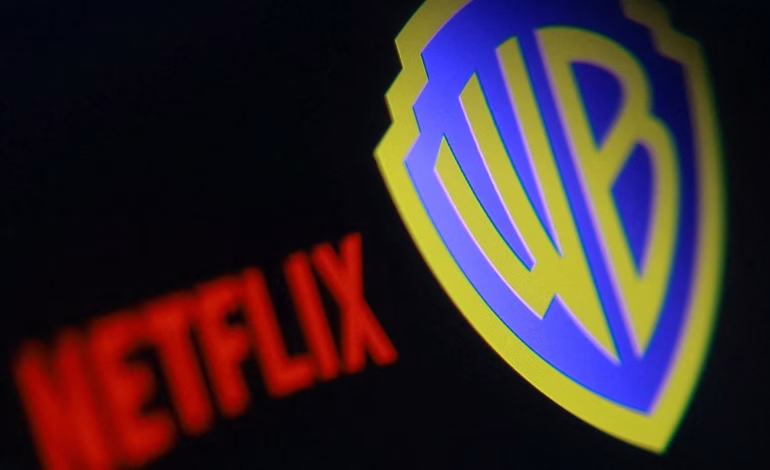
Netflix looks ready to change the playbook. Sources say the streaming giant is likely to switch its December offer for Warner Bros. Discovery’s studios and HBO Max from a mix of cash-and-stock into an all-cash bid – a tweak meant to speed up the sale and blunt a nasty rival bid from Paramount Skydance.
Here’s what’s going on, in plain terms.
Back in December, Netflix agreed to buy Warner Bros. Discovery’s streaming business and film studio in a deal valued at $27.75 per WBD share, a package made up of both cash and Netflix stock. On paper that put the equity value at roughly $72 billion and the enterprise value near $82.7 billion.
Now Netflix is reportedly preparing to amend that offer to be all cash. That sounds small, but it’s a big operational change: stock-heavy deals require more accounting disclosures, financial modeling and shareholder paperwork, which typically stretch the timetable. An all-cash bid can be presented to shareholders and voted on faster – reports suggest a vote could be moved up from spring/early summer to as early as late February or March if Netflix makes the switch.
Speed and certainty. In a bidding war, time is an asset. An all-cash offer reduces some of the moving parts that slow a deal down and can make the offer cleaner and easier for shareholders to digest. It also helps counter an aggressive rival: Paramount Skydance is still pursuing an across-the-board takeover of WBD (including the TV networks Netflix isn’t buying), and the battle has gotten litigious – Paramount even sued WBD seeking more disclosures about why the board prefers Netflix’s proposal.
For WBD shareholders, cash is straightforward. For Netflix, going all-cash is a tactical move to close the deal before Paramount can win enough support or complicate approvals.
Paramount hasn’t backed off. Its revised bid for the whole company – backed in part by a massive personal guarantee from Oracle founder Larry Ellison – is pushing the fight into full-on contest mode. Paramount argues its all-cash bid (reportedly around $30 per share for the entire company) is superior and easier to clear. WBD’s board has countered that Paramount’s offer relies heavily on debt financing and increases the risk the deal won’t close.
That rivalry is the reason Netflix may be eager to simplify its own offer: make it cleaner, faster and harder for Paramount to topple.
News of Netflix’s potential switch has already nudged markets – Netflix and Warner Bros. Discovery shares ticked higher on the reports. But even a speedier shareholder vote won’t guarantee regulatory sign-off; antitrust scrutiny and political pushback are real spices in this stew. Netflix reportedly agreed to a big termination fee if regulators or other hurdles kill the deal, and WBD might also owe fees if it walks away from the Netflix pact.
From a strategic angle, an all-cash Netflix bid signals seriousness: this is not a paper swap, it’s a commitment to pay now and move quickly.
How exactly Netflix would fund a full cash purchase hasn’t been spelled out. Large deals often use a mix of cash on hand, debt financing and bridge loans; Netflix has options, but converting a previously stock-heavy bid into straight cash is a material financial step. That could mean new borrowing or other financing arrangements, which would show up in Netflix’s balance sheet and could draw scrutiny from investors and regulators alike.
Also unresolved: Paramount’s campaign to persuade shareholders and nominate directors to WBD’s board, and the timeline for regulatory review. Even if WBD shareholders approve a faster cash deal, regulators and lawmakers – already uneasy about media consolidation – could slow things down.
Netflix’s move toward an all-cash offer, if it happens, is a classic play: simplify the deal, shorten the timeline, and try to freeze rivals out. It turns the chessboard from a complex stock trade into a straight purchase – one that WBD shareholders may prefer for its clarity.
But make no mistake: this is far from finished. Paramount’s cash bid, its legal maneuvers, and possible regulatory scrutiny mean the next chapter will still have plenty of drama. For Netflix, the question is whether speed and certainty are worth the extra financing and political heat an all-cash approach would bring. For Warner Bros. Discovery shareholders, it’s a pricey choice – and one that could be settled faster than anyone expected.



The latest news in your social feeds
Subscribe to our social media platforms to stay tuned