



America’s universities are in real trouble — and only tough changes might save them
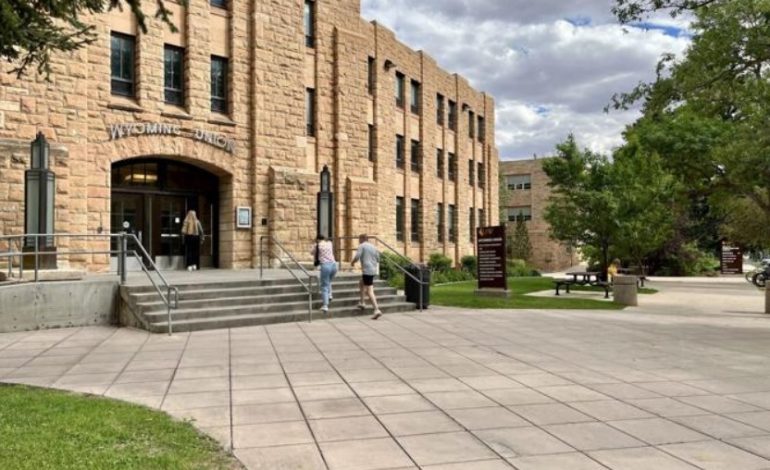

I’ve spent more than two-thirds of a century in American higher education, starting back in 1958. In all that time, I’ve never seen colleges and universities face the kind of serious, overlapping threats they’re dealing with right now — or do so much damage to their own standing along the way.
For decades, U.S. universities earned a reputation as the best in the world. Today, that reputation is wobbling. Not just because of outside pressure, but because higher education has increasingly shown open contempt for the values of the public that funds and sustains it.
The complaints are piling up. College costs too much. Graduates are often underprepared for real jobs. New technologies are making degrees less valuable to employers. Federal funding is shrinking while oversight is growing. Other countries are catching up — and sometimes surpassing — U.S. research. And looming over everything is a demographic reality: fewer young people means fewer future students.
Against that backdrop, trades like plumbing, welding or home health care are starting to look far more practical than four years — or more — studying gender theory, sociology or even computer science.
So can universities be saved? Maybe. But not without real behavioral change.
The country still needs highly educated leaders with competence and integrity. And for many students, college also serves another purpose: a comfortable transition between adolescence and adulthood. It’s both an investment in skills and, frankly, a form of consumption — an experience as much as an education.
The problem is that universities have largely been shielded from the consequences of bad decisions. In the private sector, failure forces change. Companies that don’t innovate or control costs die — just ask Blockbuster, Kodak or Toys “R” Us. That constant threat is a big reason the U.S. economy became one of the most productive in history.
Higher education doesn’t face the same pressure. Government subsidies, federal student loans, questionable loan forgiveness and massive private endowments have cushioned universities from reality. Instead of adapting, many campuses expanded bloated administrations and fostered cultures openly hostile to the values that made them prosperous in the first place.
In short, the institutions have sneered at the very people paying the bills.
There are, however, signs of pushback. Some major donors have walked away. Governments and courts are challenging administrative bloat and aggressive DEI policies. Under pressure, a number of universities have pledged institutional neutrality on political issues, and governing boards are starting to act less like rubber stamps.
Still, major problems remain — inefficiency, lack of academic diversity and an unwillingness to ask hard questions.
Here are a few that should make university leaders uncomfortable:
Why does it take three years to earn a bachelor’s degree at Oxford and many European universities, but at least four in the U.S.?
Why do American universities lose billions on college sports that don’t even exist elsewhere in the world?
Why do college students spend fewer hours studying than eighth-graders — with little consequence?
Why are plagiarism and data manipulation eroding trust in academic research?
And why does it take more people to educate a student today than in 1960, even as productivity has soared across the rest of the economy?
College closures are increasing, and that’s forcing long-delayed market realities into the conversation. Governing boards, in particular, are starting to demand real answers instead of slogans.
But change won’t be easy. Ideological dominance on many campuses is deeply entrenched, and increasing intellectual diversity takes time and money — both in short supply.
Americans tend to rise to the occasion in hard times. Whether higher education can do the same — and reclaim its standing as the world’s best — is still an open question.

The latest news in your social feeds
Subscribe to our social media platforms to stay tuned