




The original story by for CNN.
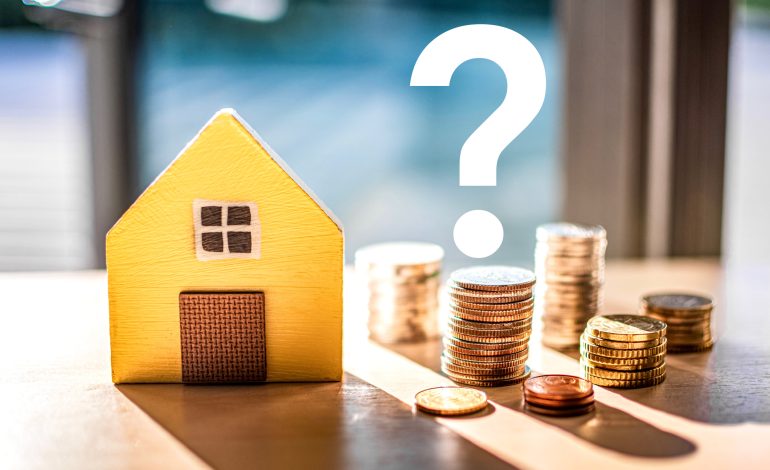
If you were banking on a swap at the top of the Fed to bring cheap mortgages, don’t hold your breath. Even if President Trump’s pick for Fed chair, Kevin Warsh, gets confirmed and wants rates cut, homeowners and buyers are unlikely to see a big drop in borrowing costs this year.
Trump nominated Warsh last week to replace Jerome Powell when his term ends in May. The president has been loudly pushing for lower rates, and Warsh has signaled he sees room to loosen policy. But mortgage rates don’t move on Fed announcements alone – and they’re still stubbornly high. After sliding about a full percentage point from early-2025 peaks, the typical 30-year fixed mortgage is still north of 6%, keeping many homes out of reach.
Mortgage rates mostly follow the 10-year US Treasury yield, which responds to all kinds of forces – inflation expectations, growth outlooks and fiscal policy – not just Fed decisions.
“The mortgage market is very complex,” says Charlie Dougherty, a senior economist at Wells Fargo. “Yes, the Fed plays a role, but the root causes of mortgage rates being elevated are inflation, prospects for growth and fiscal pressures.”
History backs that up: the 30-year fixed rate actually jumped after the Fed cut interest rates in September 2024. So a Fed rate cut doesn’t guarantee cheaper home loans.
Trying to force things along, Trump ordered Fannie Mae and Freddie Mac to buy $200 billion in mortgage bonds – a move he said would push mortgage rates lower. The Federal Housing Finance Agency says those purchases have started and “have had great market reception.” Some economists think the buyup could nudge rates down temporarily, but it’s unlikely to erase the bigger economic forces that set long-term rates.
Analysts expect the 10-year Treasury to dip a bit early in the year and then climb again in 2027, which could send mortgage rates back up. Redfin’s chief economist, Daryl Fairweather, also warned that a government shutdown could delay the economic data the Fed and the bond market rely on – making rate moves harder to time.
And even if interest rates ease a touch, the main reason houses are unaffordable isn’t the cost of borrowing: it’s the lack of homes for sale where people want to live. Slower price growth and rising incomes are doing some of the heavy lifting on affordability, not lower rates.
Trump has rolled out other housing proposals – including an executive order banning big institutional investors from snapping up single-family homes – but he hasn’t offered a full plan to boost supply. He’s also signalled he doesn’t want home prices to fall much, saying he wants to “keep those prices up” to protect existing homeowners’ wealth.
Still, the market is showing small signs of thaw. Mortgage applications rose through most of January, and more sellers seem willing to accept that 6% is the new normal. Homes.com economist Brad Case says people who clung to ultra-low pre-2022 mortgages are now more willing to list, and modest income gains are helping affordability in some markets.
Bottom line: a Fed chair swap or short-term bond buys might move rates a little, but don’t expect a wave of cheap mortgages this year. The bigger drivers – treasury yields, inflation, fiscal pressures and limited housing supply – aren’t going away fast.


The latest news in your social feeds
Subscribe to our social media platforms to stay tuned