



The Boom in “Baffles”: How a Vanishing Tax Stamp is Quietly Revolutionizing Gun Culture
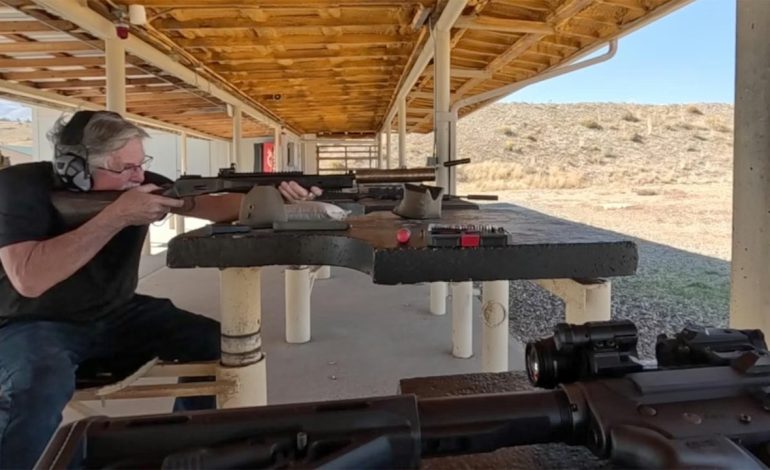

For decades, firearm suppressors—often called silencers—lived in the shadows, burdened by a Prohibition-era stigma, complex regulations, and a $200 federal tax. As of January 1, 2026, one of those three barriers has fallen. The elimination of that tax has uncorked a wave of consumer demand, signaling a potential shift from a niche accessory for enthusiasts to a mainstream tool for hunters and sport shooters.
“It was a major hurdle,” said Joshua Kinderknecht, owner of Wyoming Tactical Firearms and its suppressor division, W.T.F. Silencers, in Cody. “I started getting pre-orders in August. By New Year’s Day, I had a whole safe full ready to go.” He predicts suppressors will follow the same path as telescopic rifle scopes: once rare, now ubiquitous.
However, advocates caution that the path to ownership is not yet a simple walk-in purchase. The labyrinth of federal rules remains firmly in place. “The tax was dropped to $0, but all the paperwork and regulations still exist,” clarified Mark Jones, a national director for Gun Owners of America. Purchasers must still navigate the 1934 National Firearms Act (NFA), a process requiring fingerprints, photographs, an extensive background check, and a waiting period for approval—a bureaucratic journey that can take months. Jones noted that his organization is suing to challenge the NFA’s application to suppressors now that its taxing power rationale is gone, but a legal resolution could take years.
For hunters like Olin Machen of Cody, the change is overdue. A suppressor user for over a decade, he champions its practical benefits. “I can’t imagine not using one,” he said. The primary advantage is hearing protection. A suppressor works by channeling the explosive muzzle gases through a series of internal “baffles,” slowing their release and dramatically dampening the sound. Kinderknecht emphasizes this safety angle: “We are starting to get rid of the stigma… They truly are a hearing safety device.” This is especially valuable for young shooters, who are often startled more by noise than recoil.
The benefits extend beyond the shooter’s ears. Hunters note that a suppressed shot is far less disruptive to the landscape. “It does significantly reduce the amount of noise sent through the landscape,” Machen explained. “That far less disrupts other game or any people that may be in the area.” Additionally, by taming the blast, suppressors also reduce felt recoil, making shooting more comfortable and improving accuracy for follow-up shots.
The industry’s growth is also creating a homegrown economic story. Kinderknecht founded his business with dual goals: to create manufacturing jobs in Wyoming and to raise money for charity. With components sourced entirely in America, the surge in interest is helping achieve that vision. He even found accidental marketing genius in his company’s acronym; what began as “Wyoming Tactical Firearms” quickly became “W.T.F. Silencers.” The name stuck because, as he says, many first-time users have a genuine “What the fuu…” moment at how profoundly the device improves the shooting experience.
While the $200 tax stamp is history, the suppressor’s journey to full mainstream acceptance is not over. It remains entangled in red tape, and its shadowy reputation from gangster movies lingers in some public perception. But for a growing number in Wyoming and beyond, the value is now clear: not as a tool for stealthy criminals, but as a common-sense device for safety, comfort, and respect for the outdoors. The “silencer” is finally speaking up, and the market is listening.



The latest news in your social feeds
Subscribe to our social media platforms to stay tuned