

Wyoming’s Crumbling Waterways and the $700 Million Fight to Fix Them
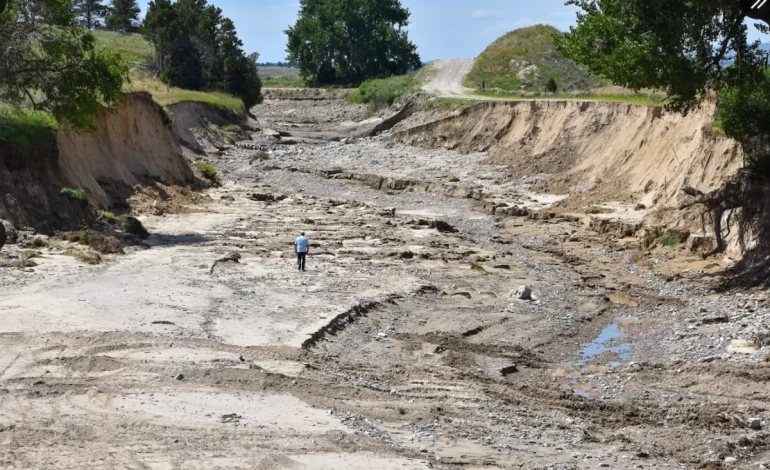

The numbers are staggering, the political fight raw. As Wyoming lawmakers prepare to debate the state’s budget next week, they are staring down a colossal tab: more than $700 million needed to shore up a water infrastructure system showing its age and sparking fierce debate.
The issue isn’t just about finding money; it’s a fundamental clash over priorities. Should the state spend hundreds of millions on shiny new dam projects for agriculture, or does the greater crisis lie in the silent failure of century-old irrigation canals that farmers rely on? The argument is unfolding in committee rooms and on the lands of frustrated ranchers.
At the heart of the matter is a recent survey of 10,000 irrigation structures across Wyoming. Jason Mead, director of the state’s Water Development Office, delivered the grim assessment to lawmakers: about 20% are in poor or failing condition. Just to fix the thirty most critical canals and pipelines would cost between $200 and $300 million. “The real theme is just aging infrastructure,” Mead stated.
Yet, even as that bill comes due, the state is pushing forward with massive new construction. Two proposed dams—the $150 million West Fork Dam near Baggs and a $100 million reservoir at Alkali Creek near Hyattville—represent a quarter-billion-dollar investment primarily for agricultural water storage. Add in $90 million to rebuild LaPrele Dam and $42 million for the Goshen irrigation tunnels, and the price tag soars past $700 million.
This push for new projects while the old crumbles has lawmakers sounding alarms. “I feel we have a train wreck coming down the line,” said Sen. Tim French, a Republican from Ralston. The sentiment is echoed by critics like Tim Gardiner, whose land borders the Alkali Creek project. “Why would you bite off more than you can already chew?” he asked.
The controversy at Alkali Creek encapsulates the tension. The project is stalled because several key landowners refuse to grant easements, with some alleging strong-arm tactics and unethical conduct by local board members. One downstream rancher, whose property would be flooded if the dam failed, has called the project an egregious example of “ag welfare,” arguing it would benefit only a handful of irrigators at a taxpayer cost of over $3 million per person.
Funding the entire wish list is another minefield. While the state hopes for federal grants, Mead told lawmakers those leads are “elusive.” In the meantime, the state has shifted more cost onto local towns and irrigation districts, reducing its share of grants. This leaves smaller communities facing their own impossible choices.
The most pointed criticism comes from Sen. Ogden Driskill, a Republican from Devils Tower. He fears Wyoming is committing to massive projects without secure funding, asking who will be “left holding the bag” when federal money doesn’t materialize. He’s pushing for a major overhaul of the Water Development Office’s procedures, demanding that local sponsors have all land rights secured before a single state dollar is spent.
“I want every water dollar we spend to get on the ground,” Driskill declared, “not to be spent waiting for somebody to get their ducks in a row.”
As the February 9th budget session looms, the fight over Wyoming’s water future is no longer just about engineering and acre-feet. It’s a raw political battle over fiscal responsibility, local control, and who, in the end, will pay for the lifeblood of the West.


The latest news in your social feeds
Subscribe to our social media platforms to stay tuned