
Caracas rallies for Maduro as US detention reshapes Venezuela’s politics
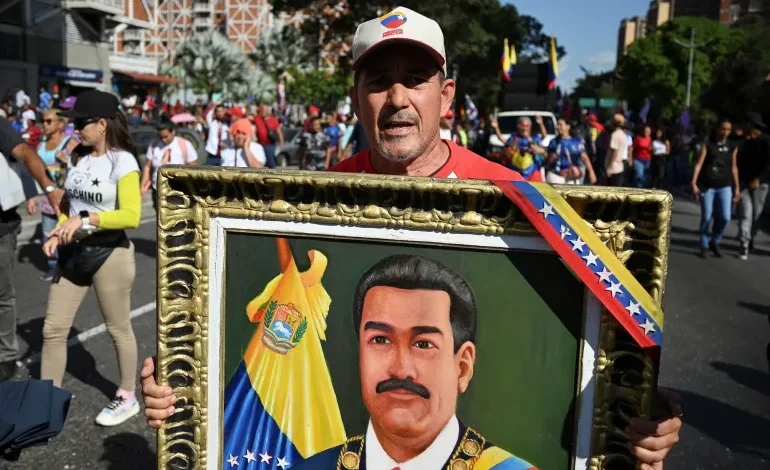

Thousands of people filled the streets of central Caracas on Tuesday, marking one month since United States forces abducted Venezuelan President Nicolas Maduro and his wife, Cilia Flores, in a nighttime operation that left bloodshed in its wake. The march, branded the “Gran Marcha”, was both a show of loyalty to the detained leader and a signal of how deeply the episode continues to reverberate inside the country.
“Venezuela needs Nicolas!” demonstrators chanted as they moved through the capital. Many carried placards demanding the couple’s return from detention in the United States, while others wore shirts bearing similar slogans. One banner cut straight to the point: “The empire kidnapped them. We want them back.”
From a stage set up along the route, Maduro’s son, Nicolas Maduro Guerra, himself a member of the National Assembly, framed the abduction as a permanent wound. The January 3 raid, he told the crowd, “will remain marked like a scar on our face, forever”. He described the operation as a violation of national territory, saying “our homeland’s soil was desecrated by a foreign army”.
The march, organised by the government and heavily attended by public sector workers, stretched for hundreds of metres, accompanied by trucks blasting music. Pro-government media described it as part of a broader “global day of action”, with solidarity demonstrations held abroad under slogans such as “Bring them back” and “Hands off Venezuela”. According to Venezuela News, the mobilisations brought together supporters “from diverse ideological trends” united by the belief that Maduro’s detention represents “a flagrant violation of international law and a dangerous precedent for the sovereignty of nations”.
Among those marching was Jose Perdomo, a 58-year-old municipal employee, who summed up the mood as conflicted but resolute.
“We feel confused, sad, angry. There are a lot of emotions,” he said. “Sooner or later, they will have to free our president.” Perdomo added that he also supports interim President Delcy Rodriguez, who has taken over since Maduro’s removal.
Rodriguez’s position has been delicate from the start. Since assuming the interim presidency, she has tried to balance pressure from Maduro’s loyalists with demands from Washington. US President Donald Trump has signalled a willingness to work with her, but only if Caracas complies with US priorities, particularly around control of Venezuela’s oil sector.
So far, Rodriguez has adopted a conciliatory tone toward the United States while promising reform and reconciliation at home. Her government has released hundreds of political prisoners and moved to open Venezuela’s long-nationalised hydrocarbons industry to private investment, steps that mark a sharp shift in policy, even as they stir unease among hardliners.
Earlier on Tuesday, a different kind of march unfolded in Caracas. University students and relatives of political detainees took to the streets to press for swift approval of an amnesty law promised by Rodriguez, which would free prisoners still held in Venezuelan jails. That legislation, however, has yet to reach parliament.

The latest news in your social feeds
Subscribe to our social media platforms to stay tuned