

White House Rolls out $12B Plan to Break China’s Grip on Critical Minerals

AP and Reuters contributed to this report.
The Trump administration is about to unveil its biggest move yet to rebuild US supply chains for the minerals that power everything from jet engines to smartphones – a $12 billion playbook that mixes big purchase deals with allies and a US strategic reserve designed to blunt China’s dominance.
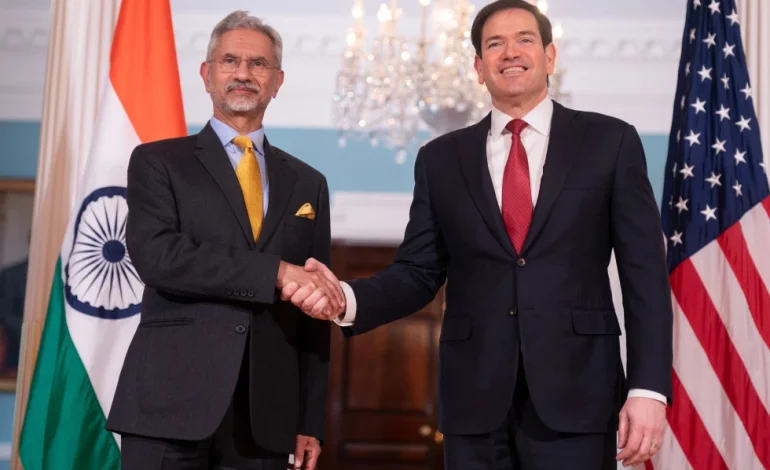
What’s coming: Vice President J.D. Vance will headline a high-profile meeting Wednesday hosted by Secretary of State Marco Rubio. Ministers and officials from dozens of European, Asian and African countries are expected to sign supply-chain agreements; Rubio even met this week with South Korea’s and India’s foreign ministers to prep talks. The administration hasn’t released full details, but people close to the planning say the package will pair long-term purchase pacts with a stockpile that the US hopes will stabilize markets.
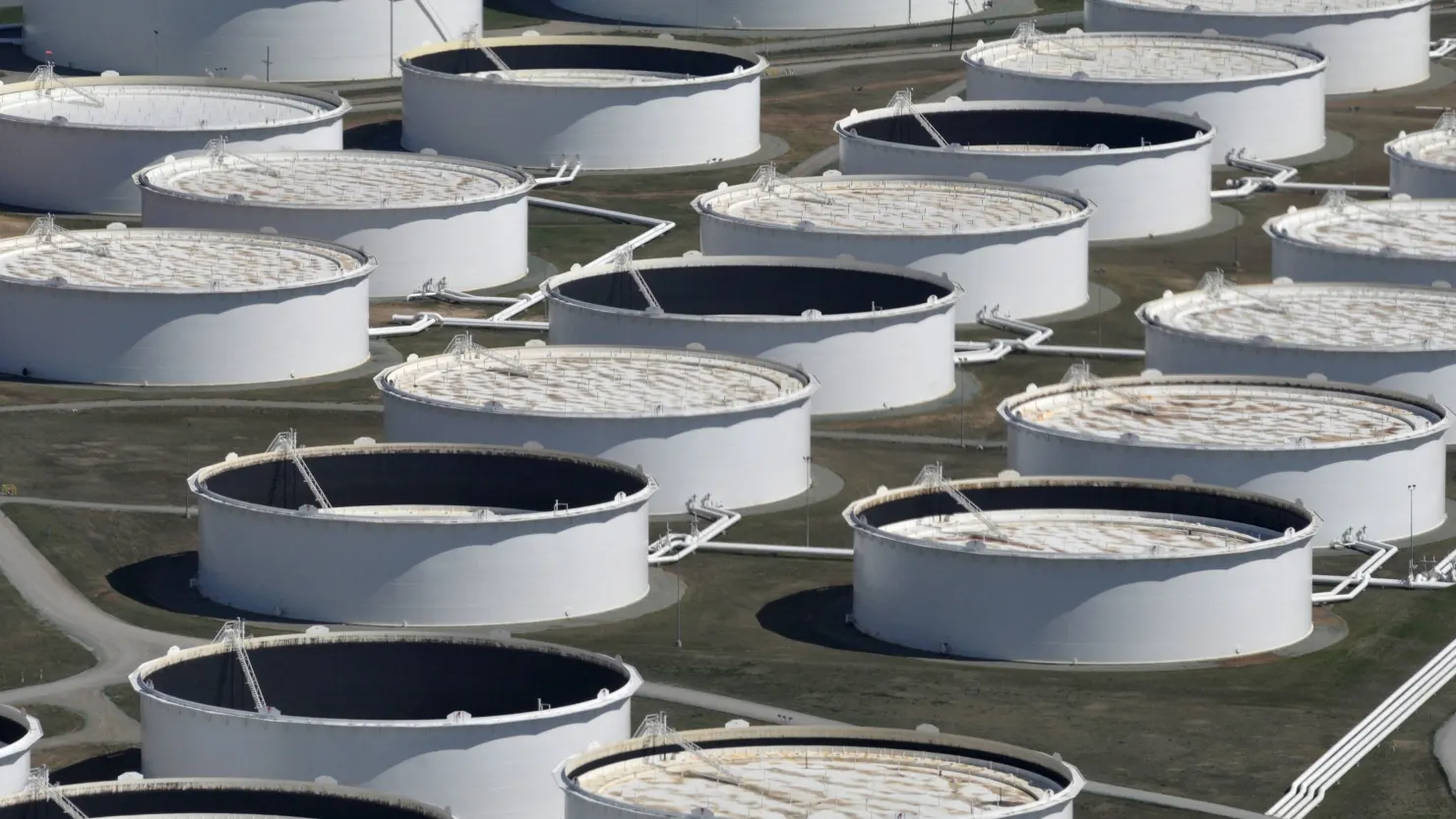
The math: The US Export-Import Bank has approved a record $10 billion loan to seed a US Strategic Critical Minerals Reserve, and the plan calls for roughly $2 billion in private capital to back it. At scale, the idea is to mobilize public and private money to buy, store and distribute rare earths and other critical inputs – protecting manufacturers if China tightens the taps again.
Why now: China still controls roughly 70% of rare-earths mining and 90% of processing – a chokehold laid painfully bare during tariff fights and export curbs last year.
“We don’t want to ever go through what we went through a year ago,” President Trump said when announcing the stockpile program, nicknamed “Project Vault.”
How it could work: Officials and industry folks talk about something like a buyers’ club – major consumers and producers coordinating purchases, setting floor prices, and underwriting new mines and processing facilities so Western manufacturers aren’t hostage to Beijing’s pricing or policy whims. Pini Althaus, a rare-earth entrepreneur turned miner/developer, describes the idea as key producers and users “getting together” on pricing structures and long-term contracts.
The government is already backing projects. The Pentagon has pumped nearly $5 billion into securing access to critical minerals over the past year, and the government handed $1.6 billion to USA Rare Earth in exchange for stock and repayment guarantees. The EXIM loan is meant to leverage private investments, officials say, creating a public-private formula that forces everyone to commit capital and reduces “free riders.”
Global partners stepping up: Australia is expected to be a major supplier; mining firms there – like Sunrise Energy Metals working on the Syerston scandium project – say they’ll likely contribute to the US stash. The Syerston mine aims to produce scandium oxide (used to strengthen alloys for aerospace and defense) starting in 2028, officials said. Expect other countries to announce similar plans: the EU, Japan, Korea and even some African producers have discussed stockpiling or industrial partnerships.
The caveats: This won’t be quick or simple. China’s export limits remain tighter than before, and miners and processors take years to build. Experts warn that it’s not enough to secure raw ores – the US also needs factories that turn those materials into magnets, batteries and chips. Critics note past US policy choices – including cuts to green incentives – have depressed domestic demand that would support a full supply chain.
Politics and buy-in: The plan has some bipartisan momentum. Senators Jeanne Shaheen (D-N.H.) and Todd Young (R-Ind.) backed recent bills to boost domestic rare-earth production and hailed the administration’s steps. But the program will need huge coordination among industry, investors and foreign governments to scale.
Bottom line: The administration’s $12 billion stockpile plus partner deals are a bold attempt to blunt Beijing’s leverage. It’s meant to be insurance – costly and messy to pull off, but possibly cheaper than being at China’s mercy the next time geopolitics squeezes the market.



The latest news in your social feeds
Subscribe to our social media platforms to stay tuned