


Winter in Name Only: A Record Warm Spell Stuns Wyoming
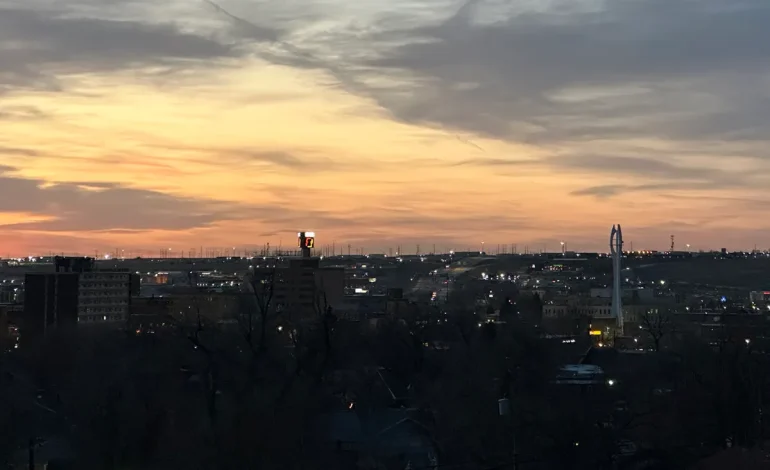

For over a week, a high-pressure system of unusual persistence and intensity has anchored itself over the Mountain West, diverting the polar jet stream far to the north and effectively cancelling winter for vast stretches of the region. Nowhere has this been more pronounced than in Casper, where spring-like weather has officially overstayed its welcome, turning the first week of February into a meteorological anomaly that has reshaped daily life and sparked conversations from coffee shops to scientific research facilities.
The National Weather Service office in Riverton, a bureau accustomed to tracking blizzards, finds itself issuing forecasts that border on the pastoral. The data is unassailable. “What we’re observing isn’t just a warm day or two,” explains forecaster Michael Rivera, pointing to a series of maps and graphs. “This is a sustained blocking pattern. We’ve got ridging that would be more typical of late April sitting over us in early February. The cold air is simply locked away in Canada.”
This atmospheric blockade translates to a daily reality that feels disconnected from the calendar. Starting with highs in the mid-50s midweek, the temperature is forecast to crest near 60 degrees Fahrenheit on both Thursday and Friday—a value that shatters daily records and pushes thermometers nearly 25 degrees above the historical average for this time of year.
The warmth isn’t fleeting. It has a cadence. Nights, which should plunge into the teens, only cool to a mild low 30s. Each morning, the sun, climbing higher now than it did in December, burns off any hint of frost by mid-morning. The cycle repeats Saturday through Monday: abundant sunshine, highs in the upper 50s, and a persistent, moderate breeze that feels refreshing rather than biting.
This persistent warmth has initiated a cascade of environmental and economic side effects. The meager mountain snowpack, a vital bank account for the state’s summer water supply, is not just low; it is melting prematurely in the lower foothills. City crews tasked with salting roads are idle, while parks and recreation departments report a surge in traffic on trails usually buried under snow. Local businesses are experiencing a strange bifurcation: hardware stores see plunging sales of ice melt and snow shovels, while garden centers field curious questions about early planting, and bike shops enjoy an unexpected February boom.
“I’ve been guiding hunters and fishermen here for thirty-five years,” says rancher and outfitter Bill Stafford, leaning on a fence post and looking across his dry, brown pastures. “I remember winters where the snow was belly-deep on a horse by now. This?” He gestures broadly with a calloused hand. “This is a drought wearing a pleasant disguise. The grass will green up early, sure, but without the snowmelt in the springs and creeks come July, it’ll just turn to dust. The animals feel it too; the elk are moving to higher ground already, looking for what little snow is left.”
For most residents, however, the immediate experience is one of surreal enjoyment. Dog walkers linger. Children’s soccer games proceed on fields that would normally be frozen tundra. The sound of weekend lawnmowers, a staple of May, hums in some neighborhoods.
“It feels like we’re getting away with something,” admits Sarah Li, enjoying an after-work walk along the North Platte River with her sleeves rolled up. “Like we skipped the hardest part of the year. But then you talk to a rancher or think about wildfires, and that nice feeling gets complicated. It’s a beautiful worry.”
The atmospheric logjam is predicted to finally break down around next Tuesday. A trough is projected to push the stubborn high-pressure ridge eastward, opening the door for a cold front. The forecast calls for a dramatic cooldown, with a high near 41 degrees and a chance of rain and snow showers—a return to seasonal reality.
But the brief, profound warmth of this week will linger in memory and in data logs. It serves as a powerful, local example of the increased frequency and intensity of warm-weather extremes, even in the heart of the coldest season. For Casper, it was a week when winter was a rumor and spring arrived two months early, leaving behind not just confusion but a quiet, pervasive concern about what other patterns might be breaking down for good.



The latest news in your social feeds
Subscribe to our social media platforms to stay tuned