



For two decades, Tommie and David Kniseley have cultivated a life and a business on land once deemed undevelopable on the outskirts of Cheyenne. They built Wy Fresh Farm, a ranch and farmstand supporting dozens of local producers. Now, as the city’s boundaries expand to swallow their once-isolated property in a forced annexation, they fear the municipal regulations that come with it will strangle the very operation that defines them.
The Kniseleys’ story is one of rural perseverance colliding with urban growth. In 2006, they acquired the parcel with the clear understanding that city water and sewer would not be provided—a trade-off for affordable land where they could raise animals and grow food for their family. Over time, what was a remote property became an island of county land completely surrounded by the expanding city of Cheyenne.
For the city, the annexation of these remaining “county pockets” is a practical matter of governance. Seth Lloyd, a Cheyenne senior planner, cites public safety and continuity of services. “Whenever those property owners exit their land, they’re going to be driving on a city street,” Lloyd explained, pointing to potential confusion for police and fire response and issues with aging septic systems and wells that city utilities could eventually rectify.
For the Kniseleys, the threat is existential and layered with unanswered questions. While city officials assure them that legal pre-existing uses will be “grandfathered” in, the details of agricultural life are not so simple. Tommie Kniseley worries about the rigid interpretation of city codes: if a disease wiped out her seasonal flock of meat birds for a year, would she be forever barred from restocking? If she keeps a dairy cow that must be bred to produce milk, does the presence of a calf violate a hypothetical “one cow” allowance? Can she protect her chickens from coyotes on what will become city land?
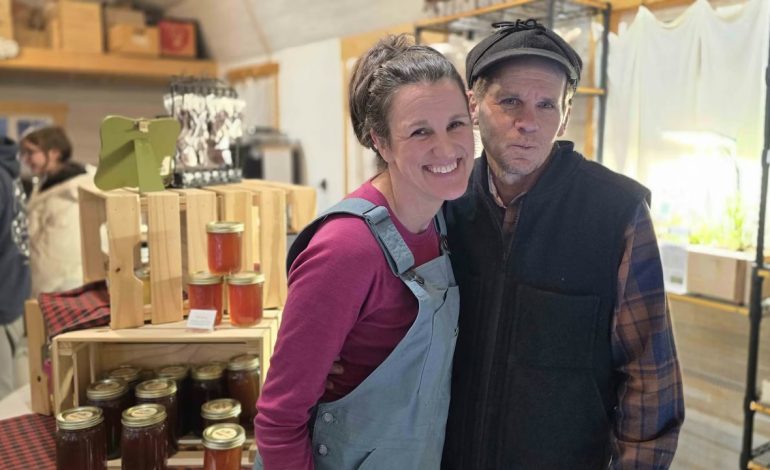
“We have 50 farmers depending on me,” Kniseley said, standing in the farmstand she built during the pandemic to connect local producers with the community. “What is this going to cost them? We have to pass on our fees to customers… It feels like they’re just going to push it through.” Her concerns were amplified when a city council member reportedly told her the farm was not a “good use of land” as Cheyenne seeks to address a housing shortage.
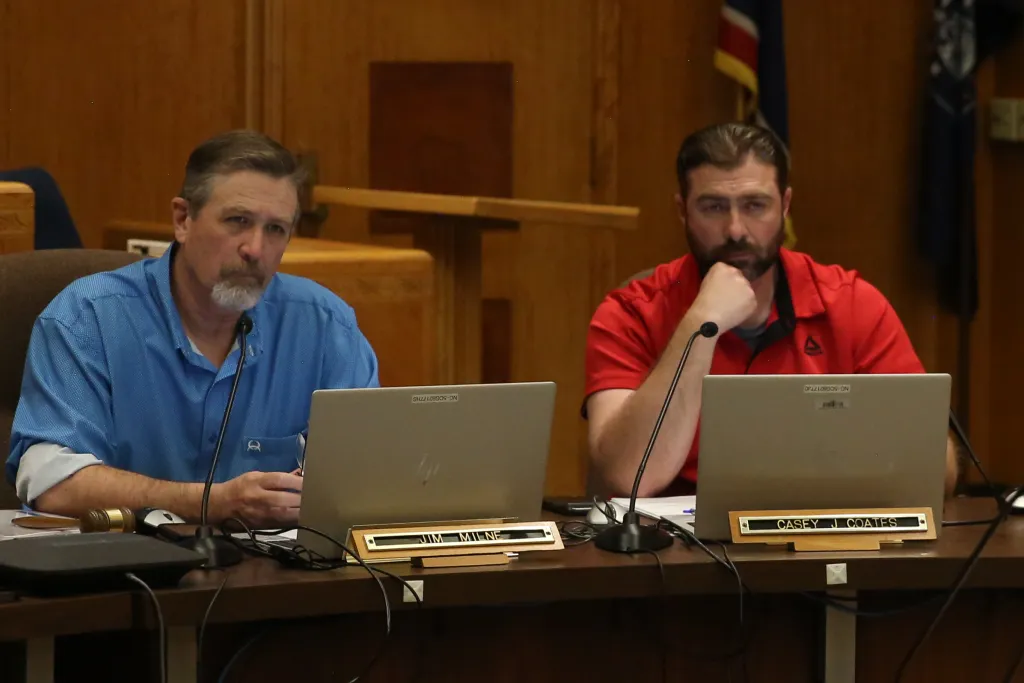
The city planning department has recommended the property receive an agricultural zoning designation, which Lloyd believes the council will approve on February 9. This would provide significant protection for the farm’s core operations. However, the annexation ordinance will still subject the property to a host of other city regulations covering everything from animal control to building codes—a new layer of bureaucracy for a family accustomed to county rules.
The conflict extends beyond zoning. The Kniseleys have an ongoing dispute with the city over drainage from a nearby development, which they say washes sediment onto their property, burying fences and endangering livestock. One of their dairy cows was severely injured after wandering through a compromised fence line, an incident that led them to stop keeping dairy cows altogether until a solution is found.
Despite the pressure, the Wy Fresh farmstand represents a thriving model of local resilience. Born from a pandemic-era online market when traditional farmers’ markets were shut down, it now features products from about 50 Wyoming producers, from fresh milk and bread to vegetables and meat. Customers, some of whom drive from Colorado, come not just for groceries but to support a supply chain that keeps dollars within the state.
As the February 9 council meeting approaches, the Kniseleys are left in a painful limbo. They are preparing for the worst while hoping the city will make good on its assurances. Their story highlights the tension between efficient urban expansion and the preservation of agricultural heritage—a conflict between a city’s right to govern its contiguous territory and a family’s right to maintain a way of life they were encouraged to build on the urban fringe, now vanished.
For now, Tommie Kniseley continues to ask her “silly questions,” seeking concrete answers about rabies vaccines and flock protection, knowing that the viability of her family’s dream hinges on the fine print of the annexation ordinance soon to be decided by the Cheyenne City Council.


The latest news in your social feeds
Subscribe to our social media platforms to stay tuned