





BBC, the Guardian, Business Insider, the New York Times contributed to this report.
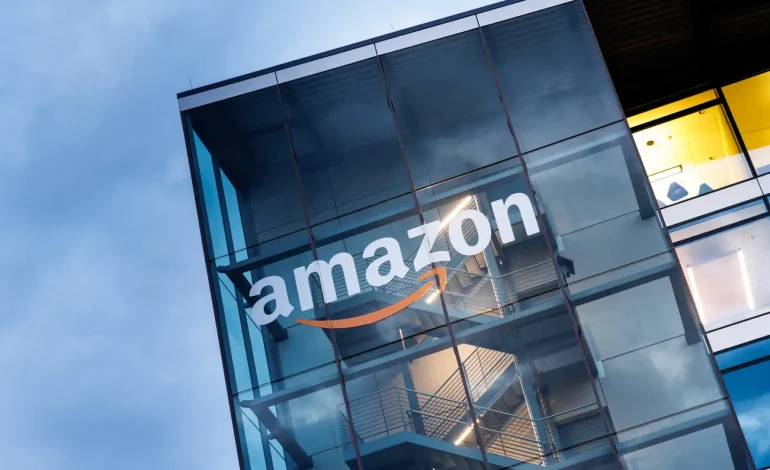
Amazon dropped its earnings and a headline-grabbing plan: $200 billion in capital spending this year, much of it aimed at AI, chips, robotics — even low-earth-orbit satellites. Cue the market freak-out: the stock slid more than 11% in after-hours trading as investors digested a capex number that blew past expectations (Wall Street had been nearer $146–$150bn).
Plain English: Amazon is doubling down on AI the way a sprinter goes all-in at the gun. CEO Andy Jassy called it “an unusual opportunity,” insisting AI will remake every customer experience and that Amazon will “invest aggressively.” CFO Brian Olsavsky and other execs said AWS is the engine — demand for cloud AI compute is hot, and Amazon needs capacity.
Big spending is the point — and the problem. The jump from roughly $125bn last year to $200bn is massive, and it arrives while other Big Tech names (Meta, Google, Microsoft) are also pouring money into AI. Together, those firms are planning roughly $650bn in AI and related projects this year — a scale so large it froze markets for a minute.
That kind of outlay raises obvious questions: when will the investments pay off? How long will margins be squeezed while companies build data centers, buy chips, and hire or retrain talent? Regulators, bankers and veteran execs have warned this could get messy — from the Bank of England’s caution about a valuation correction to Jamie Dimon saying some AI bets will “probably be lost.” Cisco’s boss even warned of “carnage along the way.”
Amazon still posted strong revenue — about $213.4bn for the quarter, with AWS up 24% to $35.6bn — and profit ticked up to roughly $21.2bn. But the market looked past the topline to the spending plan and the hit to near-term margins: Amazon warned operating profit could fall in the current quarter as capex climbs.
If anyone is set to win from all this, it’s the hyperscalers that can deploy compute at scale. Analysts say Amazon’s advantage is raw capacity: AWS can crank up servers and bring new compute online faster than most rivals. The company is also pushing its own chips (Trainium) to lower reliance on Nvidia and shave AI costs — a potential competitive edge if adoption picks up.
Amazon’s capex news comes amid workforce moves: the company has recently pared tens of thousands of roles as it tightens up operations and looks for efficiencies while it spends on the future.
Short-term: jittery markets and share-price pressure across Big Tech as investors demand proof that these enormous investments will deliver returns. Longer-term: two paths. Either the hyperscalers’ bets on AI infrastructure pay off and companies that control the compute and cloud layer profit handsomely — or money gets poured into projects that take years to monetize, and valuations reset.
Amazon just staked a huge claim in the AI arms race. It’s a bold, loud move that says “we’ll spend now, profit later.” Investors aren’t convinced “later” is close enough — and they punished the stock accordingly. Whether this turns out to be visionary patience or balance-sheet overreach will be one of the big corporate dramas of the year.



The latest news in your social feeds
Subscribe to our social media platforms to stay tuned