


Deadly boat strikes widen US drug war in the Pacific
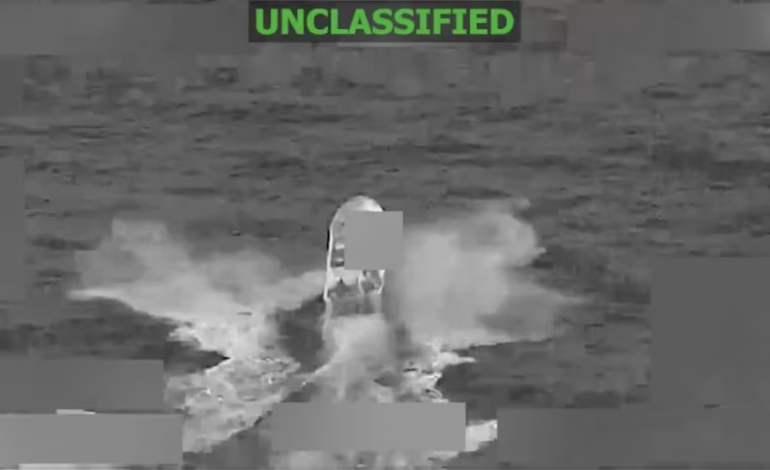

The US military has carried out another lethal strike on an alleged drug-trafficking boat in the eastern Pacific, killing two people and deepening controversy over a campaign that lawmakers and legal experts say rests on shaky ground.
According to US Southern Command, the strike took place on Thursday under the authority of its new commander, Gen. Francis L. Donovan, who assumed leadership of the command the same day. In a statement posted on X, SOUTHCOM said Joint Task Force Southern Spear conducted a “lethal kinetic strike” against a vessel it said was operated by “Designated Terrorist Organizations,” adding that no US personnel were injured.
The latest attack brings the death toll in the campaign, known as Operation Southern Spear, to at least 119 people since it began. The Trump administration has framed the operation as a decisive effort to curb narcotics trafficking into the United States, but it has released little public evidence showing that those killed were cartel members or that the targeted boats were carrying drugs.
This was the second known boat strike this year. In January, a similar attack killed two people and left one survivor.
Behind the terse military statements, scrutiny is intensifying. During congressional briefings, military officials have acknowledged they do not know the identities of everyone on board the vessels they destroy. The legality of the strikes has been under sustained examination on Capitol Hill since the operations began in September, with particular focus on the first incident, in which US forces carried out a follow-up strike that killed two survivors of an initial attack.
Multiple current and former military lawyers have previously told CNN that the strikes do not appear lawful. Despite that, the Trump administration has told Congress that the United States is engaged in an “armed conflict” with drug cartels, a legal framing that underpins the use of lethal force.
US officials have publicly presented the boat strikes, along with a major military buildup in the Caribbean, as a necessary response to drug smuggling routes. Privately, however, Trump administration officials have acknowledged that the pressure campaign was also aimed at destabilising Venezuela’s leadership.
In early January, the US military captured Venezuela’s leader, Nicolás Maduro, in Caracas and transported him to New York to face criminal charges. Maduro pleaded not guilty last month.
Members of Congress and human rights organisations have pushed back, arguing that suspected traffickers should be arrested and prosecuted, not killed. That approach had defined US maritime drug interdiction policy before Donald Trump returned to office.
The legal challenge is now moving beyond Capitol Hill. Last week, the families of two men believed to have been killed in an October strike filed a lawsuit against the US government, accusing it of wrongful death and extrajudicial killing.

The latest news in your social feeds
Subscribe to our social media platforms to stay tuned