




India’s exporters feel squeezed as US and Mexican tariffs collide
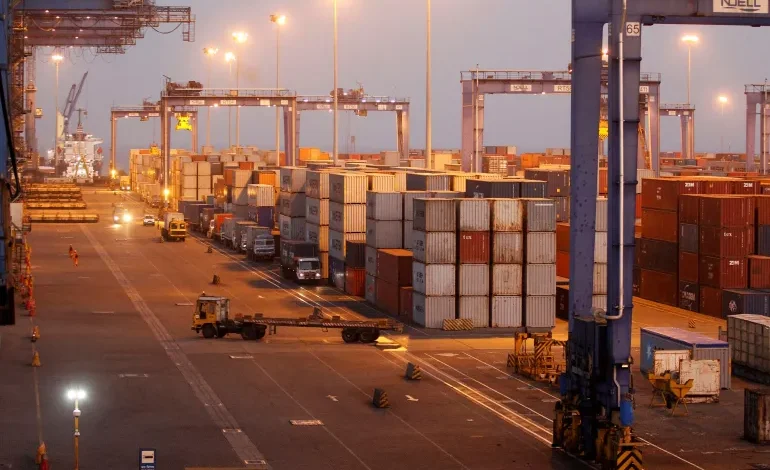

For four decades, Pankaj Chadha has run a steel manufacturing unit in Mumbai, shipping products abroad that end up embedded in everything from construction to machinery. At 65, his business model is well worn, and until recently, reliable. Most of his exports went to the United States and Mexico. Then the tariffs hit.
Chadha told Al Jazeera that before the new trade barriers, his company recorded sales of roughly $5m to the US and $8m to Mexico. Since then, both markets have shrunk dramatically.
“I have lost 50 percent of my business in Mexico and the US since the tariffs came into effect. It is a severe blow to my business as I was focusing on Mexico after the US tariffs, but the future looks bleak there also now,” he said.
The shock began last August, when Donald Trump imposed a 25 percent tariff on Indian goods entering the United States. A second 25 percent levy soon followed, which Trump framed as punishment for India’s continued purchases of Russian oil.
Within months, the impact rippled across India’s export-heavy sectors, from diamond cutting to shrimp farming and carpet manufacturing. For many companies, Mexico had looked like a fallback market. That assumption collapsed on January 1, when Mexico rolled out steep new import tariffs ranging from 5 percent to 50 percent on more than 1,400 products from non-free trade nations, including India, Brazil, China, South Korea, Russia, Indonesia and Thailand.
Mexico maintains free trade agreements with more than 50 countries, among them the United States, Canada, Japan and members of the European Union. Officials in Mexico argue the new tariffs are meant to boost domestic manufacturing, correct trade imbalances and protect local jobs.
Indian businesses see a different logic at work. Many believe Mexico is shielding itself from US pressure over trans-shipment and supply-chain diversion, practices that allow exporters from high-tariff countries to reroute goods through third markets. With a review of the US-Mexico-Canada Agreement looming, companies suspect Mexico is aligning its tariff policy with Washington’s sensitivities.
New Delhi has tried to soften the blow. In its annual budget on February 1, the Indian government allowed manufacturing units in special economic zones to sell a limited share of their output domestically at concessional duty rates. Normally, such sales attract the same high tariffs imposed on imports of those goods, including textiles and leather products.


The latest news in your social feeds
Subscribe to our social media platforms to stay tuned