






Investors Business Daily, Bloomberg, and the Wall Street Journal contributed to this report.
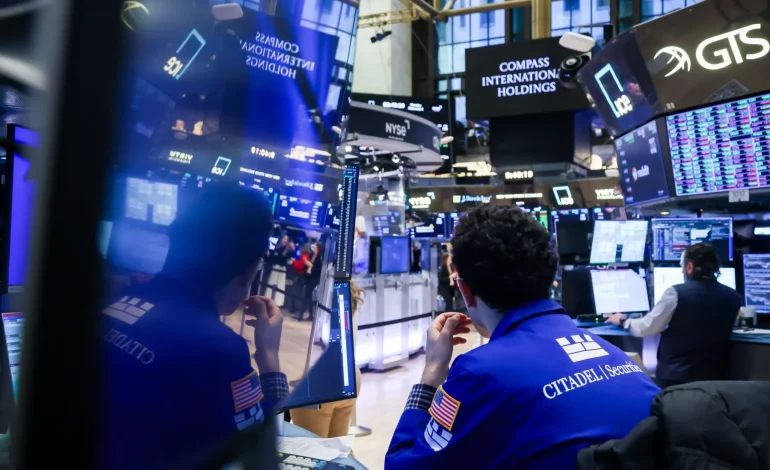
Markets took a breather Thursday as fresh jobs data collided with a fresh wave of tech selling, sending the Nasdaq into the hurt locker and dragging the S&P 500 and Dow down about 1% each.
Here’s the gist: government numbers showed fewer job openings in December than economists expected, while new claims for unemployment insurance popped higher — a one-two punch that got traders nervous about the health of the U.S. labor market. Add a gloomy corporate-layoff snapshot from Challenger, Gray & Christmas — their report called last month the worst January for planned cuts since 2009 — and you’ve got a toxic mix of economic caution and headline risk.
The damage was concentrated in tech. The Nasdaq slid more sharply than the broader market, capping off its worst two-day pullback since the tariff-fueled turbulence last April. Investors are clearly skittish about valuations after a long tech-led run; even companies that beat on the top line can get whacked if guidance or big-spending plans threaten near-term profits.
Alphabet was one of the day’s headline fallers after Google’s parent signaled it could ramp AI-related capital spending up to a jaw-dropping $175–$185 billion next year. That kind of capex number is great for AI buildout — and for firms that sell chips and data-center gear — but it also spooked investors who worry about near-term margins and cash burn. Qualcomm also dragged on sentiment after a weaker-than-expected forecast, a reminder that even chip makers with solid fundamentals aren’t immune when demand cues shift.
And it wasn’t just semiconductors. The whole tech complex felt the pull: software and platform names took hits on fears that higher costs, slower ad markets, and tighter hiring could crimp growth. Amazon — another heavyweight — was on traders’ radar heading into its upcoming report; any softness there would only feed the jitters.
Commodity and macro ripples showed up too: the labor-market surprise plus tech uncertainty kept investors cautious across asset classes, with some rotation into safer bets and a pause on riskier, high-valuation growth plays.
Bottom line: the market’s mood right now is fragile. Good earnings won’t necessarily shield high-flying tech stocks if the outlook — whether it’s for jobs, spending, or capital intensity — starts to look shaky. Traders are pricing in the possibility that growth may slow more than expected, and that has a tendency to hit the Nasdaq first and hardest.



The latest news in your social feeds
Subscribe to our social media platforms to stay tuned