




The New York Times, Reuters, the Guardian, Bloomberg contributed to this report.
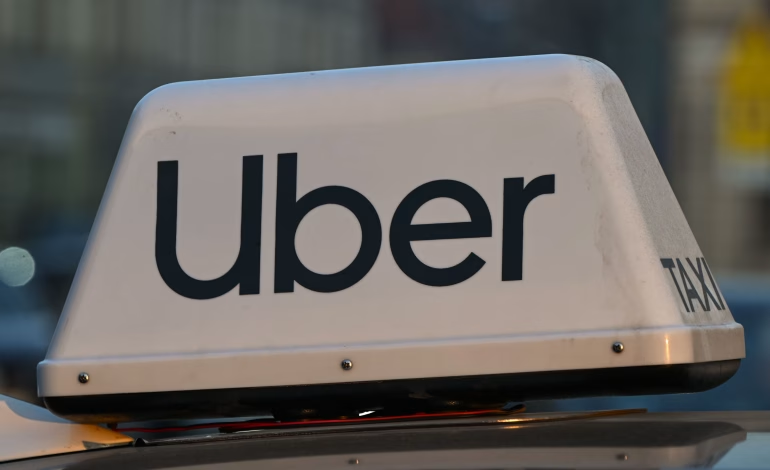
A federal jury in Phoenix on Thursday told Uber to write a check for $8.5 million after finding the company legally responsible for a driver who a woman says raped her during a 2023 ride. The verdict — the first bellwether in a massive wave of consolidated lawsuits — could set the tone for more than 3,000 similar claims now lined up against the ride-hailing giant.
The case was brought by Jaylynn Dean, who says she was assaulted at age 19 while using the Uber app. Jurors concluded the driver was acting as an agent of Uber and thus the company could be held liable for his actions; they awarded Dean compensatory damages but declined to hand down punitive damages. Attorneys for Dean had sought far more.
What makes this a big deal is the bellwether setup: courts pick a few representative cases from a huge pile of similar suits to give both sides — and the market — a reality check on how juries might respond. This Phoenix trial is the first domino in a federal multidistrict litigation that could influence settlement talks, damage expectations, and how plaintiffs frame future arguments.
Uber pushed back fast. The company says it will appeal and pointed out the jury rejected other claims in the case — including arguments that Uber’s safety systems were defective or that the company had been negligent. In courtroom lines of defense you’ll hear a familiar refrain from Uber: its drivers are independent contractors, not employees, and the platform can’t be held responsible for criminal acts outside a driver’s normal duties. That defense didn’t sway the Phoenix jury this time.
This outcome arrives against a backdrop of mixed rulings. In a separate California state trial last year, a jury found Uber negligent but not substantially responsible for a passenger’s harm — a win for the company that shows bellwethers can cut both ways. Still, plaintiffs’ lawyers say the Phoenix verdict gives victims momentum and a benchmark for future cases.
Beyond courtroom drama, the decision already had market effects: Uber’s stock slipped after the ruling, and rival Lyft also fell on investor nerves. Legal-watchers say the larger fallout could be practical: expect tighter background checks, different safety features, or new corporate disclosures — and more legal and PR fire drills for ride apps.
For Dean, the case was deeply personal: she described the assault, the aftermath, and how the episode upended her early plans. Her lawyers argued Uber marketed itself as a safe night-time option for women while failing to take basic steps that might have prevented the attack. Uber’s lawyers countered that the driver had no criminal history and a strong ride record, and that the company has invested in safety tools and reporting.
What happens next is predictable: appeals, headlines, and probably more settlements. But bellwether trials do more than churn legal fees — they steer negotiations. Plaintiffs can now point to a jury verdict that found Uber liable for a driver’s criminal act; defense teams will keep arguing that an app isn’t a babysitter and that criminal acts by contractors can’t automatically be pinned on the platform.
Either way, the Phoenix verdict shifts leverage. For thousands of people who’ve filed similar suits, it signals that juries may be willing to hold platforms accountable. For Uber, it’s a reminder that safety talk and safety reality don’t always play the same way in court — and that the company’s argument about independent contractors may not be an automatic shield.


The latest news in your social feeds
Subscribe to our social media platforms to stay tuned