






With input from Axios, CNBC, CNN, the New York Times, and Bloomberg.
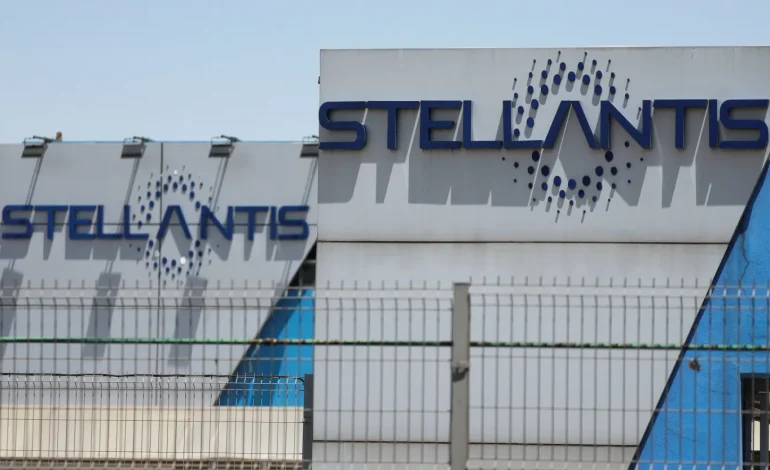
Stellantis just handed Wall Street a gut punch. The Jeep-maker said Friday it will take a €22.2 billion ($26.2 billion) hit as part of a sweeping “strategic reset” — the biggest single EV-related charge yet from any global automaker — after admitting it over-estimated how fast drivers would switch to battery cars.
Why it matters: this isn’t pocket change. It’s another huge tally in a mounting pile of stranded EV investments that automakers raced into when policy and hype outpaced actual buyer demand.
“The EV reversal is the single biggest capital allocation mistake in the history of the automotive industry,” warned John Murphy of Haig Partners — and he’s predicting at least $100 billion of writedowns across the sector.
The €22.2bn package covers canceled EV projects, supplier compensation and what new CEO Antonio Filosa bluntly called “poor operational execution” under his predecessor. About €7.7bn of that will be paid in cash over the next four years. Stellantis is even selling its 49% stake in a Canadian battery plant to LG Energy Solution — a clear signal it’s dialing back some bets on battery capacity.
Markets reacted the way you’d expect: shares plunged — as much as roughly 29% in Milan — after the bombshell missed analyst expectations and followed the company’s reaffirmed guidance from December.
Filosa framed the move as a reset, not a surrender. Stellantis is reversing product choices pushed by its old management, reintroducing ICE options where customers want them (hello Hemi V-8 in Rams) and relaunching hybrids like the Jeep Cherokee. It’s also ploughing roughly $13 billion into new North American products, including mid-size pickups and extended-range electrified powertrains for big trucks and SUVs, and plans to add 5,000 U.S. jobs.
“We over-estimated the pace of the energy transition,” Filosa said, adding that electrification must be “governed by demand rather than command.”
The company has paused its dividend for 2026 and plans to raise as much as €5bn through hybrid bonds to shore up the balance sheet.
Stellantis’s write-down is the latest headline grabber in a wider industry rethink. GM took roughly $7.6bn in EV charges for 2025 and expects more to come. Ford announced about $19.5bn in EV hits. Volkswagen recently booked a $6bn adjustment tied to Porsche and other scaling moves. The message: automakers poured cash into EV plans on the assumption customers — and governments — would move faster than they actually did.
The big snag: consumers, charging infrastructure, price sensitivity and a tougher macro backdrop have all slowed EV adoption versus those rosy models. Meanwhile, China’s BYD and other local players keep heating up competition, making the road back to profit for legacy makers steeper.
Some analysts say Stellantis’s management is finally cleaning house and that the stock could be a US “comeback” play if execution improves. Others are more blunt: this was a “miscalculated bet,” as AJ Bell’s Russ Mould put it. The company’s 2026 targets — mid-single-digit revenue growth, small margin gains — look modest, and the market’s response suggests skepticism about whether fresh product bets and cost cuts will be enough.
Stellantis has acknowledged its EV strategy overshot reality and is now paying the bill. The write-down is painful, the reputational damage real, and the path forward will be expensive and politically tricky: balancing hybrids and V-8s with some form of electrification while facing aggressive, cheaper competition from overseas. In short: the industry’s EV hangover just got a lot more expensive — and Stellantis is its latest poster child.


The latest news in your social feeds
Subscribe to our social media platforms to stay tuned