


Armenian Opposition, Diaspora, and Ears of the White House

Over the last few weeks, a clear, coordinated push has been underway. Former ombudsperson Arman Tatoyan has crisscrossed university auditoriums and Washington meeting rooms, using academic platforms and social media to humanize the murky details of Armenia’s post-war fallout – above all, the fate of dozens of Armenians still held in Azerbaijan.
Why the comms strategy matters: diplomats often skim policy briefs but they don’t forget faces and names. The opposition’s playbook – personal stories, parliamentary resolutions abroad, and diaspora lobbying – is engineered to transform otherwise technical human-rights claims into political problems for any visiting official who wants to return home with a clear conscience. That explains why activists have pushed the prisoner file into parliaments in Europe and congressionally minded capitals in North America, and why France’s National Assembly adopted a resolution demanding the release of Armenian captives. The public tally lists at least 19 Armenians still in Azerbaijani custody – a fact that keeps the issue combustible.
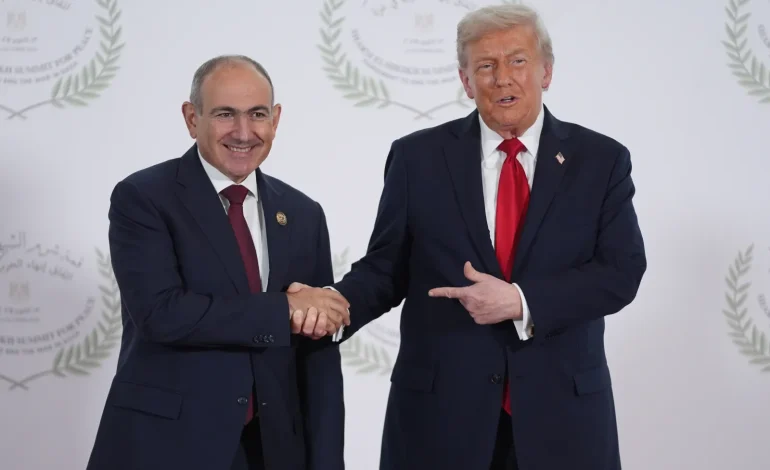
But converting attention into action is tricky. The US calculus in the South Caucasus is geostrategic. The Trump administration’s TRIPP framework – which Arman Tatoyan himself has publicly argued is a meaningful US commitment to regional stability – reframes US involvement as economic integration and corridor-building as much as security guarantees. That means Washington’s incentives often point toward trade and transit progress, not necessarily courtroom-style accountability. In other words: high-level American diplomacy can favor stability that looks like normalisation over messy, public human-rights confrontation.
So what can the opposition and diaspora realistically do? First, keep the file personal. The most persuasive lobbying wins are not won with abstract briefs but with names, faces and timelines: a parent’s testimony on C-SPAN will land differently in a congressional office than a policy memo. Second, translate moral claims into narrow, actionable asks – not “fix everything,” but “ask for access,” “request independent monitors,” or “put detainees on the bilateral meeting agenda.” Tatoyan and others are doing that in public fora and on social platforms; the question is whether those asks will be slot-able into a vice-presidential itinerary that’s already packed with optics.
Third, use the diaspora’s real leverage: local politics in democracies. Diaspora groups in Paris, New York and Washington can compel legislators to weigh in, and parliamentary votes – like the French resolution – are the kind of diplomatic sticky notes that are hard to ignore in Baku and Yerevan alike. That’s not because Paris cares more about Armenian families than Washington; it’s because domestic politics forces elected officials to act publicly. The diaspora’s ability to move votes and to generate media cycles is the single clearest lever that can translate moral outrage into foreign-policy friction.
But even a noisy diaspora faces constraints. For the US, pressuring Baku carries costs: energy ties, regional balance with Turkey, and a desire to avoid creating openings for other regional actors to step in. A vice-president’s careful phrasing – a calibrated expression of concern rather than categorical condemnation – may be the practical limit of what Washington will say publicly. That means the opposition’s success should be measured not just in soundbites but in whether concrete mechanisms are agreed: independent monitoring, timelines for access, and conditionality that ties economic normalization to humanitarian outcomes.
There’s also a game-of-perception at home in Armenia. Opposition figures benefit politically if they can show they’re the ones “internationalising” victims’ claims – a potent electoral story ahead of domestic polls. That political angle complicates diplomacy: Yerevan’s government argues that publicizing bargaining chips can undermine quiet negotiations, while opponents say silence equals abandonment. Both have a point; the net effect is that international actors like the US are receiving both humanitarian appeals and warnings about national bargaining positions at once.
So can they make the US listen? Yes – they’ve already succeeded in getting attention. The more difficult task is making attention bite. To do that, the Armenian opposition and diaspora need to keep stories human, requests procedural, and pressure bipartisan. They also need to link their moral asks to American levers: specific requests a visiting official can take away tomorrow, not just rhetoric to read on the plane. If they pull that off, Washington can be nudged from sympathy to leverage; if not, diplomatic niceties and corridor maps will continue to outpace the hard, slow work of securing justice and returns.


The latest news in your social feeds
Subscribe to our social media platforms to stay tuned