



Israeli PM heads to Washington as Iran talks resume
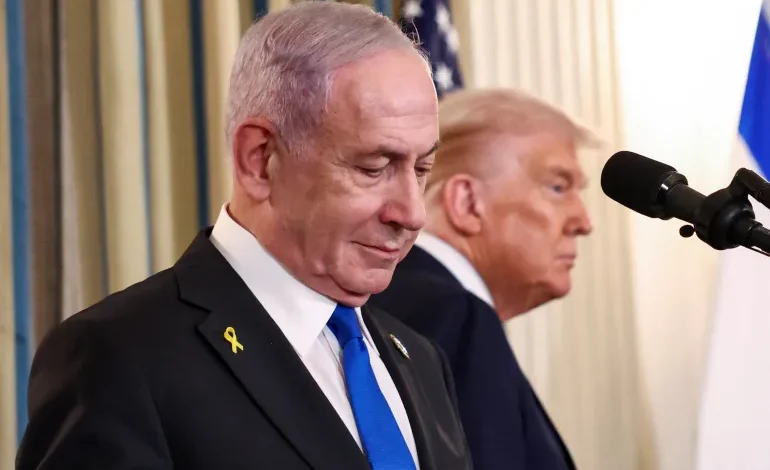

Israeli Prime Minister Benjamin Netanyahu is set to travel to the United States for another face-to-face meeting with Donald Trump, just as Washington prepares to reopen negotiations with Iran following indirect talks in Oman over the weekend.
Netanyahu’s office said on Monday that the discussions in Washington will focus squarely on the US-Iran track. From Israel’s perspective, the aim is clear: push Tehran not only on its nuclear programme, but also on curbing its ballistic missile capabilities and ending support for regional armed groups such as Hamas and Hezbollah.
This will be the seventh meeting between Trump and Netanyahu since the US president returned to office last year, underscoring how closely aligned the two leaders remain on Iran — even as their priorities do not fully overlap. Analysts say Netanyahu is likely to urge Trump to harden Washington’s position, particularly on missiles, an issue Tehran has repeatedly described as off limits.
Iranian Foreign Minister Abbas Araghchi has been explicit that negotiations will not extend beyond the nuclear file. Missile capabilities, he has said, are “non-negotiable.” That stance was echoed more broadly by Iranian officials after Friday’s talks in Oman, which both sides described as cautious but constructive.
On Sunday, Iran’s President Masoud Pezeshkian struck a conciliatory but firm tone, calling the Oman talks a “step forward” while warning against coercion.
“Our reasoning on the nuclear issue is based on rights stipulated in the Non-Proliferation Treaty,” he wrote on X. “The Iranian nation has always responded to respect with respect, but cannot withstand the language of force.”
The messaging highlights the central tension now shaping the diplomatic track. Washington says it wants a broader deal that addresses missiles, regional influence and human rights. Tehran wants a narrower conversation focused on nuclear limits and sanctions relief, and has pushed back strongly against the recent US military buildup in the region.
Trump, for his part, has offered a mix of encouragement and warning. He described the latest round of talks as “very good” and said Iran “looks like it wants to make a deal very badly,” while adding:
“If they don’t make a deal, the consequences are very steep.”
Those comments come after weeks of escalating pressure, including the deployment of an aircraft carrier and accompanying warships to the Middle East — moves that have raised concerns among regional governments and global powers about the risk of a wider conflict if diplomacy falters.
Araghchi has acknowledged the opening but tempered expectations, saying the talks were “a good start” while stressing that “there is a long way to go to build trust.”
According to Trita Parsi of the Quincy Institute for Responsible Statecraft, the talks could still succeed, but only if Washington keeps its demands focused. The nuclear issue, he argues, is “absolutely achievable,” while expanding the agenda to mirror Israel’s maximalist position could derail progress.

The latest news in your social feeds
Subscribe to our social media platforms to stay tuned