





Bloomberg, CNN, CNBC, Reuters, and AP contributed to this report.
Opening statements kick off Monday in a high-stakes New Mexico courtroom where the state is putting Meta under the microscope for one of the most uncomfortable questions of the social-media age: are platforms like Instagram and Facebook doing more to hook kids than to protect them – and did the company hide what it knew?
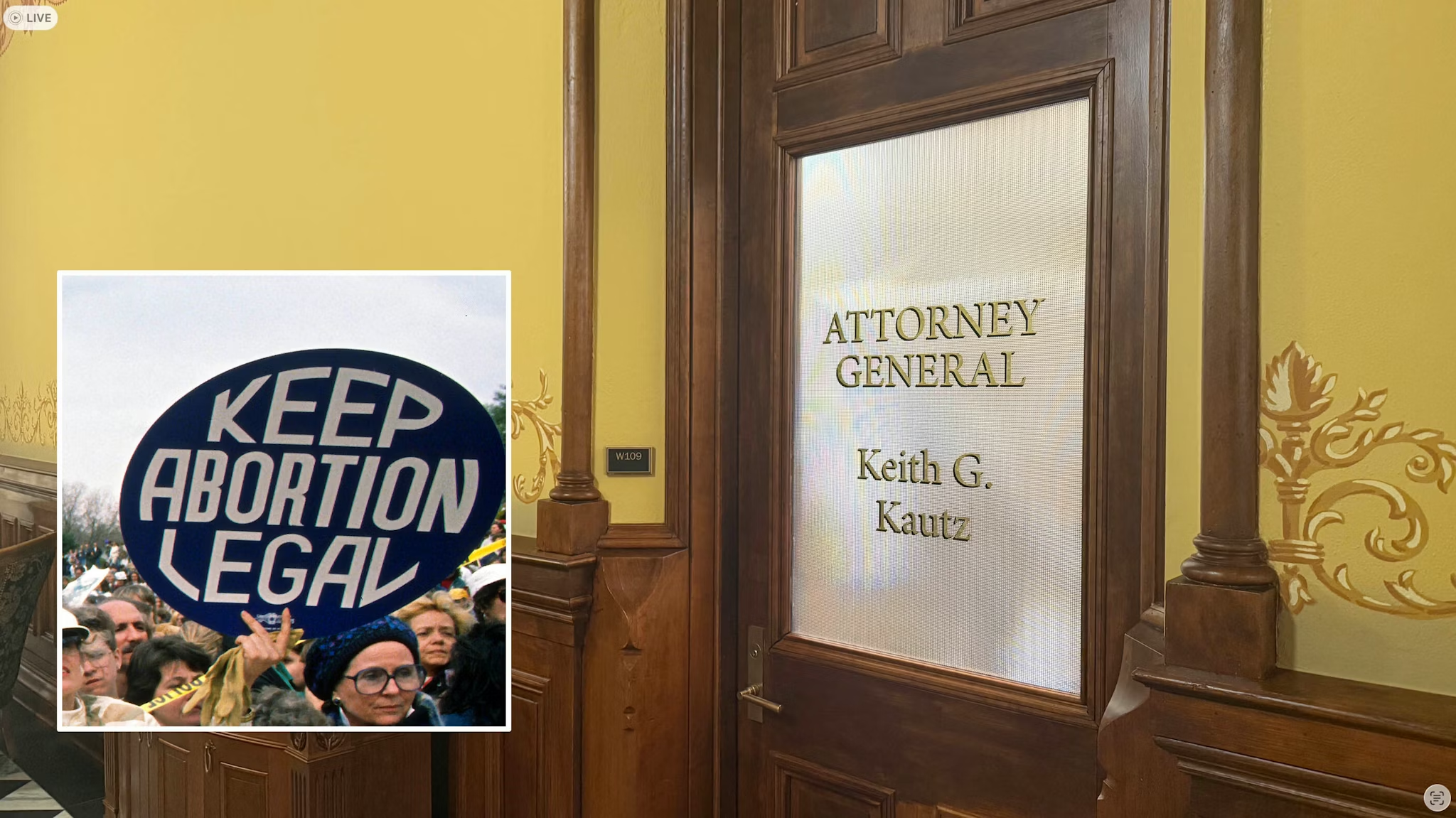
This is the first stand-alone state trial to make it to the courtroom floor in a cascade of cases aimed at big tech’s youth offerings. New Mexico Attorney General Raúl Torrez filed the suit in 2023 after a probe that, yes, involved investigators posing as underage users. Prosecutors say those undercover accounts were quickly swamped with sexual solicitations and explicit material – and that Meta’s algorithms, features and product design funneled kids into risky corners of the apps.
“Meta knowingly exposes children to the twin dangers of sexual exploitation and mental health harm,” the lawsuit argues, accusing the company of both violating state consumer-protection laws and creating a public nuisance.
Torrez says the goal isn’t just damages: he wants product fixes – real age verification, safer defaults, and algorithmic changes so kids aren’t routed straight to predators or damaging content.
Meta has pushed back hard. The company calls the investigation “ethically compromised,” blasted the use of child photos on proxy accounts and accused prosecutors of cherry-picking evidence to make sensational claims. Meta insists it’s invested in safety tools – parental controls, prompts, and settings designed to slow kids down and give them more context about who they’re talking to – and says the lawsuits oversimplify what’s a complicated public-health issue.
Still, the trial will get up close and graphic. Prosecutors warned jurors they’ll hear “very sensitive and very explicit” material; court filings and news reports suggest the state plans to show the mechanics of how children were targeted and to summon experts on addiction and online grooming. Jurors drawn from Santa Fe reflect the full spectrum: teachers, social-media natives, and folks who never opened an account. During selection, one potential juror summed up a common view:
“He’s the tech bro making money off of all of us,” referring to Meta CEO Mark Zuckerberg.
Will Zuckerberg testify? It’s not clear. New Mexico’s court power to drag out-of-state witnesses into the courthouse is limited; prosecutors could rely on deposition testimony instead. Either way, the company could face damaging testimony from former employees, safety researchers and victims – a pattern we’ve seen in other cases.
That pattern is big picture. More than 40 state attorneys general have filed suits alleging Meta and other platforms deliberately design features that addict kids. Separate lawsuits – including a high-profile case in Los Angeles – are vying to make the same point: that the apps’ endless scroll, notification loop and attention-grabbing mechanics have real, predictable harms for children’s mental health. Some lawyers and scholars now liken this legal push to Big Tobacco’s moment in court – not because social media is literally a cigarette, but because both fights center on product design, consumer deception and corporate responsibility.
Meta’s defense will likely argue multiple fronts: other causes of teen distress, the limits of what companies can control, and the public-policy role of parents. The company also plans to point to its youth safety efforts and research. For the state, the narrative is simpler and grimmer: design choices that maximize engagement also create a marketplace where predators thrive.
Whichever way the jury leans, the consequences could be sweeping. A win for New Mexico could force tangible product changes and open the door for more state courts to demand corporate redesigns. A win for Meta could blunt the momentum behind those claims.
Either way, the trial is less about one company and more about what society will tolerate from platforms that billions of people – including kids – use every day. The courtroom in Santa Fe may be smaller than a congressional hearing room, but for parents, policy wonks and the companies themselves, the stakes feel just as large.



The latest news in your social feeds
Subscribe to our social media platforms to stay tuned