
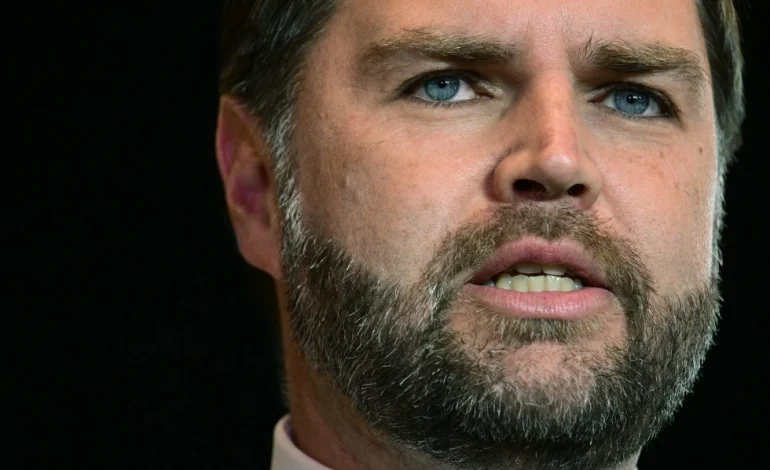

US Vice President JD Vance has begun a closely watched visit to Armenia, the first leg of a short South Caucasus tour that will also take him to Azerbaijan later this week, at a moment when unresolved humanitarian and political issues are being deliberately pushed onto Washington’s agenda.
According to the vice president’s approved schedule, Vance is in Yerevan on February 9–10 before travelling on to Baku for meetings on February 10–11. His office confirmed that his administration has received a letter from imprisoned Armenian cleric Archbishop Bagrat Galstanyan and expressed appreciation for it, a development first reported by Christian Solidarity International (CSI).
Vance arrived in the Armenian capital on Sunday and was received at the presidential residence, where he met Prime Minister Nikol Pashinyan. While Armenian authorities have not publicly detailed the agenda, officials in Yerevan have signalled that the meetings are expected to result in “important statements” on the future of US–Armenia relations.
Behind the formal diplomacy, a coordinated push by Armenian opposition figures and diaspora groups has been building for weeks. Former human rights ombudsperson Arman Tatoyan has been touring universities and policy forums in Europe and the United States, using academic platforms and media appearances to highlight the fate of Armenians still held in Azerbaijani custody after the 2020 war. The effort is designed to ensure that visiting US officials cannot sidestep the issue as a technical or secondary concern.
Diplomats may skim policy briefs, but they tend to remember faces and names. That logic explains why activists have worked to move the prisoner issue into parliaments and public debates abroad, including in France, where the National Assembly adopted a resolution calling for the release of Armenian captives. At least 19 Armenians are still believed to be held in Azerbaijan, a figure that keeps the issue politically combustible.
Whether attention turns into action is less certain. The US approach to the South Caucasus is shaped by broader strategic calculations, including regional stability, energy ties and Washington’s effort to reassert influence through economic integration rather than hard security guarantees. That framework, often described by US officials as prioritising connectivity and trade, means American diplomacy can lean toward normalisation and corridor-building rather than public confrontation over human rights.
Still, the timing of Vance’s visit has made the humanitarian file harder to ignore. CSI said it was able to visit Archbishop Galstanyan in prison last week and delivered a letter signed by him to the US vice president. Vance’s administration confirmed receipt of the letter and thanked the organisation, which said it hopes the visit will bring relief to those facing persecution.
Opposition figures and church-linked groups have framed their expectations clearly. They want Washington to press for the release of Armenian Christian political prisoners held in both Armenia and Azerbaijan, and to seek guarantees for the safe return of Armenians forcibly displaced from Artsakh, with full protection of their fundamental rights.
For the US, the visit is also about optics and balance. Washington has invested political capital in supporting a gradual Armenia–Azerbaijan normalisation process, one that emphasises transit, economic links and de-escalation. Pressing too hard on Baku risks straining a relationship the US views as strategically useful; saying too little risks reinforcing a perception in Armenia that humanitarian concerns are being sidelined in favour of geopolitics.
That tension is playing out domestically as well. In Armenia, opposition forces benefit politically from showing they can “internationalise” unresolved grievances, particularly ahead of elections. The government, by contrast, has argued that public pressure can undermine quiet diplomacy. Both narratives now converge on Vance’s visit, turning it into a test of how far Washington is willing to translate sympathy into leverage.
After completing his regional meetings, the vice president is expected to return to Washington on Wednesday evening.

The latest news in your social feeds
Subscribe to our social media platforms to stay tuned