






With input from the Financial Times, Reuters, Politico, the Wall Street Journal, and Bloomberg.
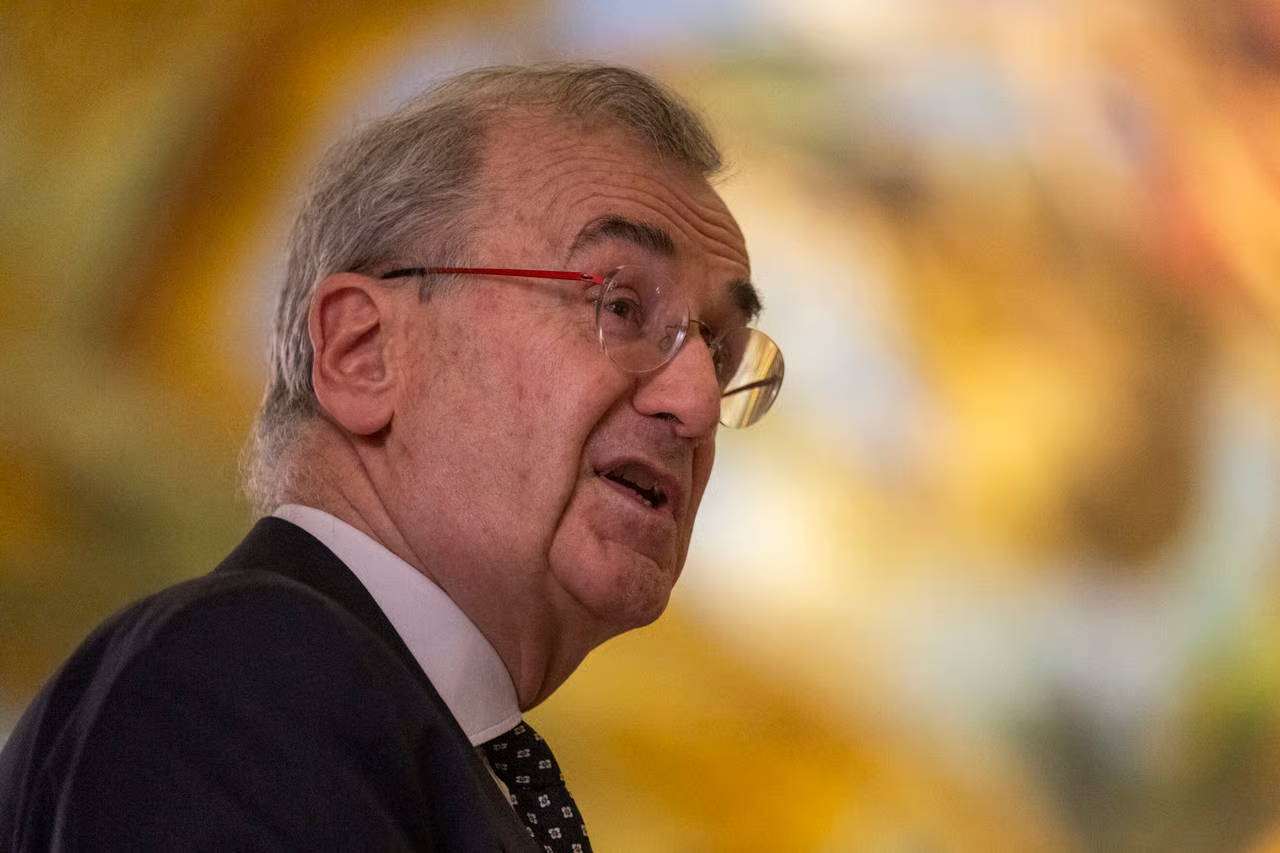
François Villeroy de Galhau, the long-serving governor of the Bank of France, will step down in early June – opportunity to name a successor well before the presidential vote in spring 2027.
Villeroy, 66, told staff he’s leaving to take over a Catholic foundation that helps vulnerable young people and families, and stressed the decision was his own. But the timing is politically charged: it guarantees the next governor will be picked while Macron is still in office, rather than by whoever wins the next contest – a result that’s worrying critics who see it as a way to lock in influence.
The far-right’s National Rally was quick to complain. RN lawmaker Jean-Philippe Tanguy accused the move of trying to “put in place anti-RN allies,” calling it another step toward what he dubs “illiberal” Macronism. Supporters of Villeroy say that’s speculation – insiders point to continuity and market calm as the stated rationale for the early handover.
On the European front, Villeroy has been one of the ECB’s most outspoken doves, repeatedly warning about downside risks to inflation and flagging the euro’s strength as a threat. Markets and colleagues alike have leaned on his steady, pragmatic voice; losing him will be noticed on the ECB’s Governing Council.
Who might replace him? Names already circulating include current Bank of France director Bertrand Dumont, former head Emmanuel Moulin, deputy governor Agnès Bénassy-Quéré, ex-ECB policymaker Benoît Cœuré and former OECD chief economist Laurence Boone. Several of those have Treasury experience; the consensus view is a France-friendly, relatively dovish governor is likely – a stance policymakers tend to favor as the country wrestles with rising public debt.
Legally, the new governor will serve a six-year term (renewable once) and needs approval from the finance committees in both houses of parliament. The post is usually filled by someone with deep Treasury and public-finance experience – a pattern that makes the Macron window for appointment particularly influential.
Villeroy has been in the job for nearly 11 years and is widely praised for his European commitment and domestic push for fiscal responsibility. In his farewell note he promised to stay close to the Bank, especially on economic and financial education, and said there’s enough time before June to organise a smooth handover.



The latest news in your social feeds
Subscribe to our social media platforms to stay tuned