


Iran urges respect as nuclear talks resume under rising regional tension

Iranian President Masoud Pezeshkian has called on the United States to approach Tehran with respect as both sides prepare for another round of nuclear negotiations next week, following mediated talks in Oman that officials described as cautious but constructive.
“Our reasoning on the nuclear issue is based on rights stipulated in the Non-Proliferation Treaty,” Pezeshkian wrote in a post on X on Sunday. “The Iranian nation has always responded to respect with respect, but cannot withstand the language of force”.
Pezeshkian characterised the indirect discussions held in Oman on Friday as a “step forward” and signalled that his administration continues to favour dialogue, even as tensions remain high. Iranian officials have used the moment to underline sovereignty and independence, making clear they want talks limited strictly to nuclear issues and not broader regional or military questions.
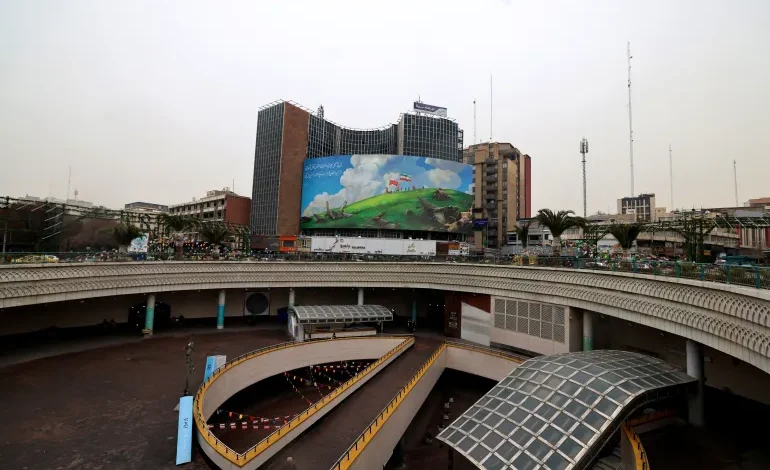
That message was reinforced in Tehran by Foreign Minister Abbas Araghchi, who addressed a forum hosted by the Ministry of Foreign Affairs. Araghchi pointed to Iran’s post-revolutionary identity, rooted in resistance to foreign influence since the 1979 overthrow of the US-backed Shah, Mohammad Reza Shah Pahlavi.
“Before the revolution, the people did not believe their establishment to have possessed true independence,” Araghchi said.
The timing is deliberate. Iran is approaching the anniversary of the Islamic Revolution on Wednesday, a date traditionally marked by large state-organised rallies. In previous years, those events have included displays of military hardware, including ballistic missiles, underscoring Iran’s insistence on projecting strength alongside calls for diplomacy.
Araghchi said Iran would not abandon nuclear enrichment for civilian purposes even if it invites further military pressure from the US or Israel. “Because no one has the right to tell us what we must have and must not have,” he said.
At the same time, he acknowledged the limits of confrontation. Araghchi said he told US envoys Steve Witkoff and Jared Kushner during the Muscat talks that “there is no way but negotiations”. He added that China and Russia have been briefed on the substance of the discussions.
“Being afraid is lethal poison in this situation,” Araghchi said, referring to Washington’s military build-up near Iran’s waters, which US President Donald Trump has described as a “beautiful armada”.
Military warnings have continued in parallel. Iran’s top military commander, Abdolrahim Mousavi, warned on Sunday that an attack on Iran would ignite a wider regional conflict.
“While being prepared, we genuinely have no desire to see the outbreak of a regional war,” Mousavi said, addressing air force and air defence commanders. “Even though aggressors will be the target of the flames of regional war, this will push back the advancement and development of the region by years, and its repercussions will be borne by the warmongers in the US and the Zionist regime.”
According to Mousavi, Iran “has the necessary power and preparedness for a long-term war with the US”.

The latest news in your social feeds
Subscribe to our social media platforms to stay tuned