




CNBC, AP, CNN, and Bloomberg contributed to this report.
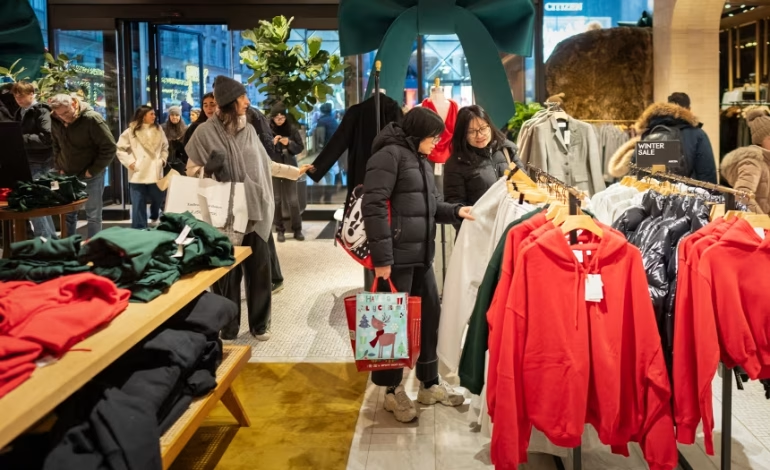
Consumers hit the brakes in December, leaving the holiday shopping season weaker than most economists hoped. The Commerce Department reported retail sales were flat in December (seasonally adjusted, not inflation-adjusted), after a 0.6% jump in November — and markets had been looking for a 0.4% gain. Strip out autos and the picture is the same: sales ex-autos were unchanged against an expected 0.3% uptick.
Year-over-year, retail receipts rose 2.4%, but that’s actually slower than inflation — the December Consumer Price Index climbed 2.7%, meaning real purchasing power fell. A key gauge economists watch for GDP — the retail “control group” — dipped 0.1%, signaling softer underlying demand heading into the new year.
The weakness wasn’t evenly spread. Furniture stores and miscellaneous retailers led the losers (both down 0.9%), clothing fell 0.7%, and electronics and appliances slid 0.4%. A few categories bucked the trend: building materials and garden centers rose 1.2%, while online sales eked out a 0.1% gain. Overall, unit volumes were up only modestly, and lower-income shoppers looked noticeably more cautious than wealthier consumers — the economy’s familiar “K-shaped” split.
Other data out Tuesday added to the gloomy tone. The Employment Cost Index — a broad measure of wages and benefits — rose 0.7% in Q4, the slowest quarterly gain in years and below forecasts. Meanwhile, household balance sheets showed strain: serious delinquencies on auto loans and credit cards hit roughly 15-year highs, and newly delinquent mortgages were the most in a decade, according to New York Fed data.
The timing stings: this retail report was delayed by last year’s government shutdown and lands just ahead of the January jobs print and Friday’s consumer-price update. Economists will be watching those closely — if hiring softens and inflation eases, the Fed could feel more room to cut rates later this year; if not, the consumer slowdown could deepen.
Bottom line: the holiday shopping season ended on a soggy note. Higher prices, rough weather and tariff effects dented purchases, and though some corners of retail held up, the overall picture is that consumers are starting 2026 a bit more tapped out than they were expecting.



The latest news in your social feeds
Subscribe to our social media platforms to stay tuned