





With input from the New York Times, the Hill, Politico, Axios, Bloomberg, and the Financial Times.
Debt on a tear: CBO says federal borrowing will hit record highs despite Trump’s policy blitz
President Trump has spent his first year back in the White House remaking the economy — big tax cuts, higher tariffs, tighter immigration, paused spending, and relentless pressure on the Fed to drop rates. But the nonpartisan scorekeeper in Washington just handed us a reality check: on the books, those moves haven’t fixed the nation’s fiscal headache. They barely nudged it.
The Congressional Budget Office’s annual forecast, released Wednesday, is blunt. Compared with the CBO’s January 2025 outlook (before Mr. Trump’s second term), the government is now expected to run a $23.1 trillion shortfall over the next nine years — about $1.4 trillion worse than previously projected. Debt held by the public is on a path to swell to 120% of GDP by 2036, a level not seen since the World War II era and a spike that raises the specter of future fiscal pain.
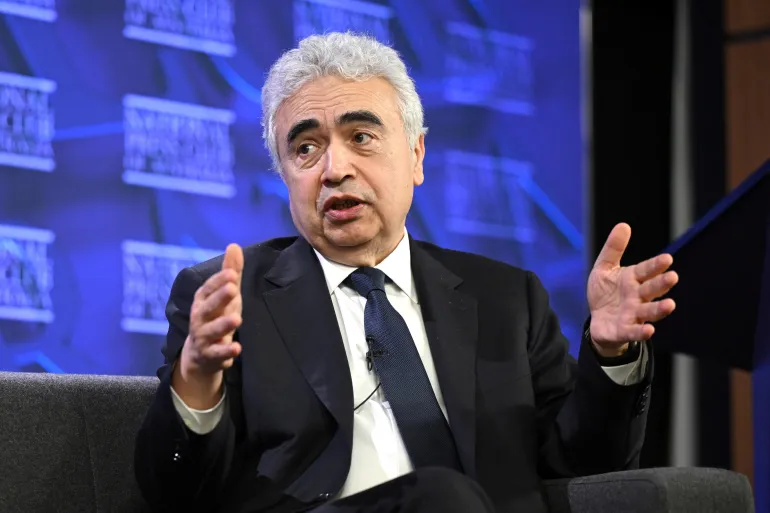
“Our budget projections continue to indicate that the fiscal trajectory is not sustainable,” CBO Director Phillip Swagel said.
That’s Washington-speak for: you can borrow like this only for so long before things start to get ugly.
A few headline drivers stand out.
- Tax cuts. The One Big, Beautiful Bill Act — Trump’s signature tax overhaul — is expensive. The CBO pegs it at roughly $4.7 trillion in added deficits over the next decade. Many of the most generous provisions were locked in permanently or semi-permanently, meaning reversing them would require new legislation — politically awkward.
- Tariffs. The administration’s big splash on trade has produced revenue, but not enough to neutralize the cuts. The CBO projects tariffs will raise about $3 trillion over the period — meaningful, but smaller than the tax hit and shaky politically and legally. Courts could overturn parts of the tariff program, and a future White House could unwind them, wiping out that supposed offset.
- Less immigration. The White House’s forceful immigration clampdown has a hidden price: fewer people mean fewer workers, lower wage and income taxes, and smaller overall economic growth. The CBO now thinks the U.S. population will be about 5.3 million smaller by 2035 than it previously expected — a hit that trims roughly $500 billion from the government’s receipts over the decade.
- Entitlements and aging. Social Security remains the big, slow-moving train wreck. The program’s trust fund — the paper reserve built up when payroll taxes exceeded payouts — is now expected to run dry in 2032, a year earlier than the CBO previously forecast. Unless Congress acts, payouts would need to be cut sharply or financed differently.
- Interest costs. The government already pays nearly $1 trillion a year to service its debt. Under the CBO’s baseline, interest outlays are set to explode — potentially reaching $2.1 trillion by the mid-2030s, a number that could rival or even exceed major chunks of discretionary spending. Put another way: debt servicing is already one of the federal government’s biggest bills, and it’s heading higher.
If you squint, some of Mr. Trump’s policies offset each other. Tariff revenue partially offsets tax cuts on paper. Cuts to some social programs reduce outlays. But those offsets are fragile. Tariffs are politically contested and legally risky; tax cuts are baked in and likely to stay; immigration policy affects long-term demographics. When the smoke clears, net deficits are still enormous.
The CBO’s numbers show the deficit staying high: $1.9 trillion in fiscal 2026 (about 5.8% of GDP) and climbing into the $3 trillion range by the mid-2030s (roughly 6.7% of GDP). Debt held by the public, now hovering around the economy’s annual output, is projected to push past the 106% WWII-era peak within the next decade and could continue rising after that absent major policy changes.
All this matters because ultimately the bond market is judge and jury. If investors start doubting the U.S. commitment to pay — or fear runaway inflation — they demand higher yields to hold Treasuries. Higher yields mean higher borrowing costs for the government and everyone else: mortgages, car loans, corporate debt. That feedback loop can turn a chronic deficit problem into a sudden economic shock.
Right now, the CBO assumes no dramatic loss of confidence. But the office cautioned that if markets thought the Fed was bending to political pressure — say, cutting rates to reduce the government’s borrowing tab — that could push long-term rates up, not down. Swagel warned that a perceived hollowing out of central bank independence could raise inflation expectations and long-term rates, which would only make the debt problem worse.
The CBO does see a short-lived growth bump next year driven by the stimulus effects of the tax law and the late government shutdown ending. But that’s temporary. The agency forecasts real GDP growth settling back to about 1.8% a year starting in 2027, a sluggish pace that leaves the debt-to-GDP ratio on an upward trajectory.
The forecast also factors in modest productivity gains from artificial intelligence — just 0.1 percentage point of extra growth per year — hardly enough to change the overall fiscal picture.
The CBO’s sober math collides with politics. Polling shows many Americans are unhappy with the economy’s direction; trust is fractured along partisan lines, and any move to tackle deficits — belt-tightening or tax hikes — will be a political third rail.
President Trump has touted his moves as pro-growth and has publicly pressured the Fed to cut rates to save the government money on interest payments.
“We are again the strongest Country in the World, and should therefore be paying the LOWEST INTEREST RATE, by far,” he declared on social media — a line that plays well with supporters but would raise alarms among economists if it implied compromising the Fed’s independence.
This isn’t a shock-and-awe sudden crisis. The CBO paints a simmering, long-term problem: high and rising deficits, exploding interest costs, and the social security clock ticking down. The numbers will force choices — higher taxes, benefit cuts, major program reforms, or some painful combination. Lawmakers can tinker around the edges, but unless the political system chooses to confront the numbers head-on, the U.S. risks walking into a decade of heavier debt burdens and fewer policy options.
Phillip Swagel’s message was clear: the math doesn’t lie. The trajectory is unsustainable, and the policy toolkit to fix it is shrinking by the day — partly because of the choices Washington has already made. If nothing changes, the country will be dealing with the fiscal consequences for decades.


The latest news in your social feeds
Subscribe to our social media platforms to stay tuned