



Italy’s government has approved a new migration bill that would allow the navy to block migrant vessels in “exceptional” circumstances — a move that underscores Prime Minister Giorgia Meloni’s continued hard line on undocumented arrivals.
On Wednesday, the cabinet of Meloni’s conservative government signed off on the draft legislation. Before it can take effect, it still needs approval from both chambers of parliament. But the direction is clear: tighter borders, broader deportation powers, and more aggressive tools to manage sea arrivals.
The most contentious provision would permit authorities to impose a 30-day naval blockade if there is a “serious threat to public order or national security”. The bill defines that threat broadly. It includes “exceptional migratory pressure that could compromise the secure management of borders”, as well as the “concrete risk” of terrorist acts or infiltration in Italy, global health emergencies and high-level international events.
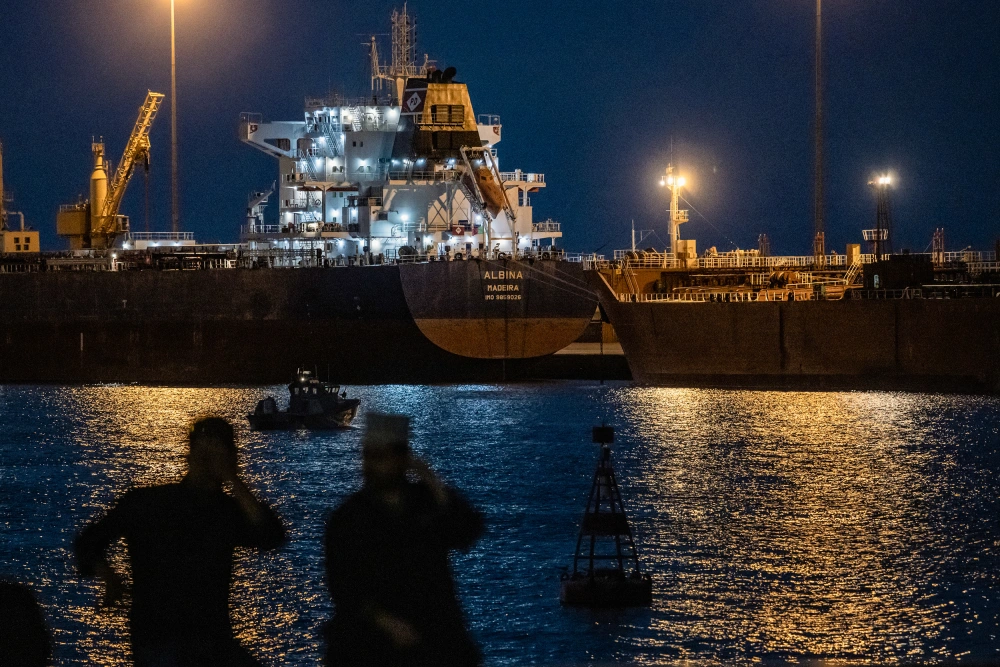
Violations could carry steep consequences. Fines of up to 50,000 euros ($59,400) are предусмотрed, and vessels could be confiscated in cases of repeated breaches — a clause widely seen as targeting humanitarian rescue ships operating in the Central Mediterranean.
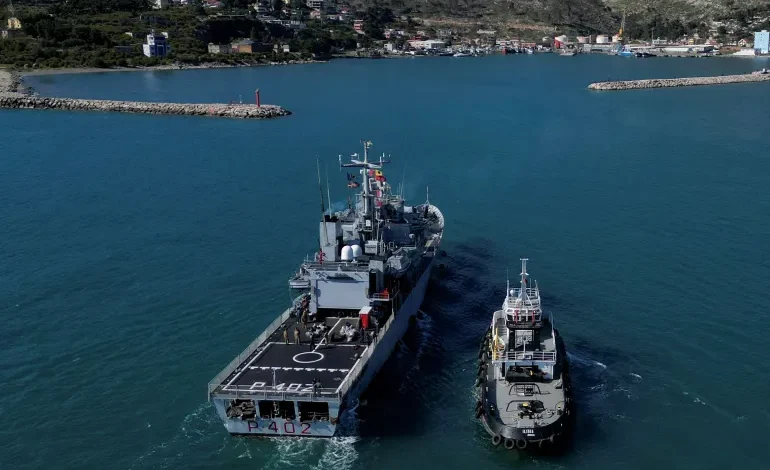
If parliament passes the bill, it could also revive Italy’s stalled “return hub” migrant centre in Albania. That facility, designed to process and hold migrants outside Italian territory, has struggled amid legal setbacks and sharp criticism from rights groups.
The proposal arrives amid a broader European shift. Just a day earlier, the European Parliament adopted two key measures tightening European Union migration policy. Italy had actively pushed for those reforms, which allow EU states to deny asylum and deport migrants to designated “safe” third countries, provided there is an agreement in place.
Meron Ameha Knikman, senior adviser for the International Rescue Committee, warned the new EU measures are “likely to force people to countries they may never have set foot in – places where they have no community, do not speak the language, and face a very real risk of abuse and exploitation.”
Meloni, leader of the far-right Brothers of Italy party, was elected in 2022 on a pledge to curb irregular migration. Her government has since pursued agreements with North African states to limit departures and introduced restrictions on NGO rescue operations.
Official figures show that sea arrivals have fallen to about 2,000 this year, compared with 4,400 during the same period last year. The decline strengthens the government’s claim that its approach is working.
Yet the humanitarian toll remains stark. Nearly 490 people have been reported missing this year while attempting to cross the Central Mediterranean, according to the UN’s International Organization for Migration.



The latest news in your social feeds
Subscribe to our social media platforms to stay tuned