





The Washington Post, BBC, CBS, Business Insider, AP, and CNBC contributed to this report.
Apple’s built-in news app just found itself in the political doghouse.
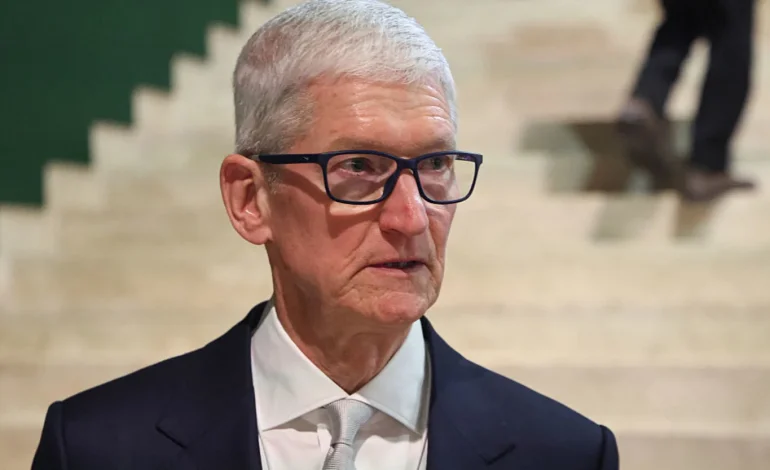
Andrew Ferguson — the chair of the Federal Trade Commission — fired off a blunt letter to Apple’s boss, Tim Cook, flagging a growing conservative complaint: that the Apple News feed systematically boosts left-of-center outlets and buries right-leaning ones.
Ferguson was careful to hedge — “the FTC is not the speech police,” he wrote — but he made the point plain: if Apple tweaks what readers see in a way that misleads users or hides material information, that could run afoul of consumer-protection rules. In short, political curation might be a legal problem, not just a PR one.
The complaint that kicked this off comes from the conservative group Media Research Center, which analyzed hundreds of morning stories on Apple News and concluded that right-wing outlets barely showed up in the top slots. The MRC used bias ratings from AllSides to classify outlets, then publicized the results — a study that quickly travelled through conservative media and was amplified by Donald Trump.
Apple hasn’t commented on the letter. The company has long said Apple News is driven by algorithms tuned to users’ interests and that it emphasizes “quality journalism” — excluding blogs, promotional material and sites that routinely publish inaccuracies. Still, Ferguson’s ask was concrete: review your terms of service, see whether your curation matches what you promise, and fix anything that could deceive users.
There’s a tricky patch of law here. The FTC can’t order Apple to promote particular viewpoints, and it can’t act as a content cop. But the agency does police deceptive business practices. Ferguson’s angle is procedural: if Apple’s feed gives people the impression they’re seeing a balanced news mix while actually prioritizing certain viewpoints, that’s a disclosure and consumer-protection problem.
For Apple, this is an awkward new front in an already dicey political balancing act. The company has tried to keep its distance from the hot debates over content moderation that have consumed platforms like X, Meta and YouTube — but owning a default newsreader on billions of devices means every claim of bias is a big deal.
Expect two things next: more political heat from critics who already distrust big tech, and a careful, likely private, audit at Apple about how its algorithms pick the morning headlines. Whether that will satisfy the FTC’s concerns — or the folks yelling loudest on either side — is another story.


The latest news in your social feeds
Subscribe to our social media platforms to stay tuned