




AP, Business Insider, the Hill, and Data Centre Dynamics contributed to this report.
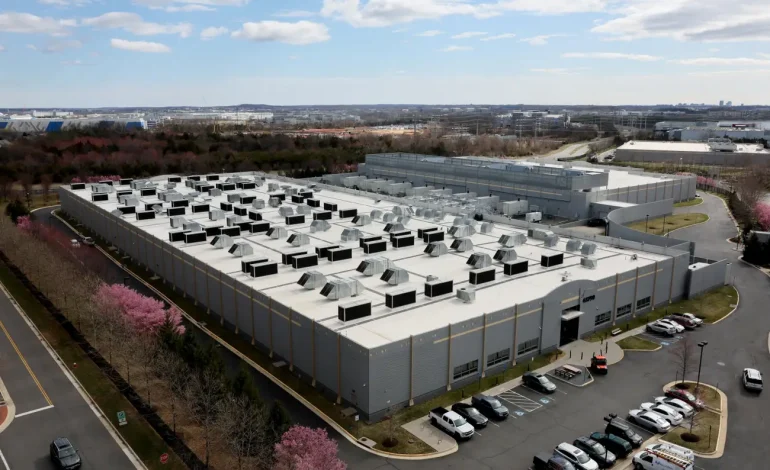
Everyone from President Donald Trump down to town council members is suddenly united on one thing: data centers shouldn’t be allowed to send higher electricity bills to regular people. That bipartisan outrage has morphed into pressure on tech companies to “pay their way” as power-hungry AI datacenters pop up everywhere.
Some tech firms are trying to answer the question — or at least quiet the backlash. San Francisco-based Anthropic said it will cover the grid upgrades and any price bumps tied to its data centers, promising to bring new power online and buy down demand-driven cost effects.
Microsoft and other hyperscalers have made similar pledges: that they’ll fund grid fixes, limit water use, and not leave communities holding the bag. But companies use different language about what “paying their way” actually means, and that fuzzy wording is fueling the fight.
Grid operators are scrambling for practical fixes. PJM — the big regional grid operator covering places from New Jersey to Illinois — has floated plans that basically force big users to either bring their own generation or accept faster, more expensive interconnections. That “bring-your-own-power” idea is gaining traction as a blunt way to protect ordinary ratepayers.
Why the fuss now? Utilities are asking regulators for record rate hikes — tens of billions in requests last year — and a chunk of that comes down to the cost of new power plants and transmission to serve massive AI loads. A report from the energy-watchdog group PowerLines put 2025’s utility rate requests near $31 billion, a number politicians and voters are noticing as bills rise.
States and local leaders are starting to push back with real teeth: moratoriums, tighter permitting, demands that data centers post upfront payments or sign long-term power contracts. Even governors who once chased those projects for jobs and tax revenue — like Arizona’s Katie Hobbs — are now talking about fees, scrapping tax breaks, and making companies prove they won’t spike local rates.
None of this is simple. Building new plants and transmission takes years; asking datacenters to buy power in long contracts or build gas turbines helps, but it doesn’t erase short-term squeeze or political heat. And “fair share” is slippery: is it paying for the wires, footing the whole bill for new generation, covering rate increases, or something in between? The answer will shape where AI gets built — and whose electricity bills go up.
Promises from Anthropic, Microsoft and others buy political breathing room, but policymakers are racing to turn words into rules so utilities — and voters — don’t get stuck footing a bill they never signed up for.


The latest news in your social feeds
Subscribe to our social media platforms to stay tuned