



When US Treasury Secretary Scott Bessent openly said that Washington had “created a dollar shortage” in Iran, he put unusually direct language to a policy that has long operated through financial mechanisms rather than military force. His remarks linked the collapse of the Iranian rial, the surge in inflation and the wave of protests in late 2025 and early 2026 to the Trump administration’s renewed “maximum pressure” campaign.
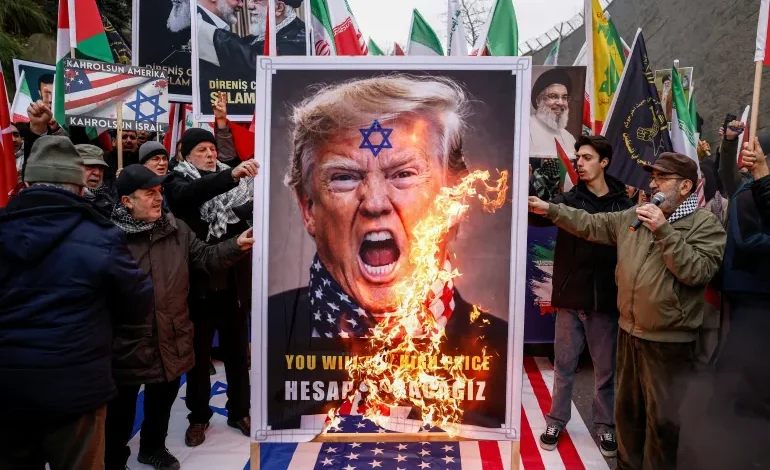
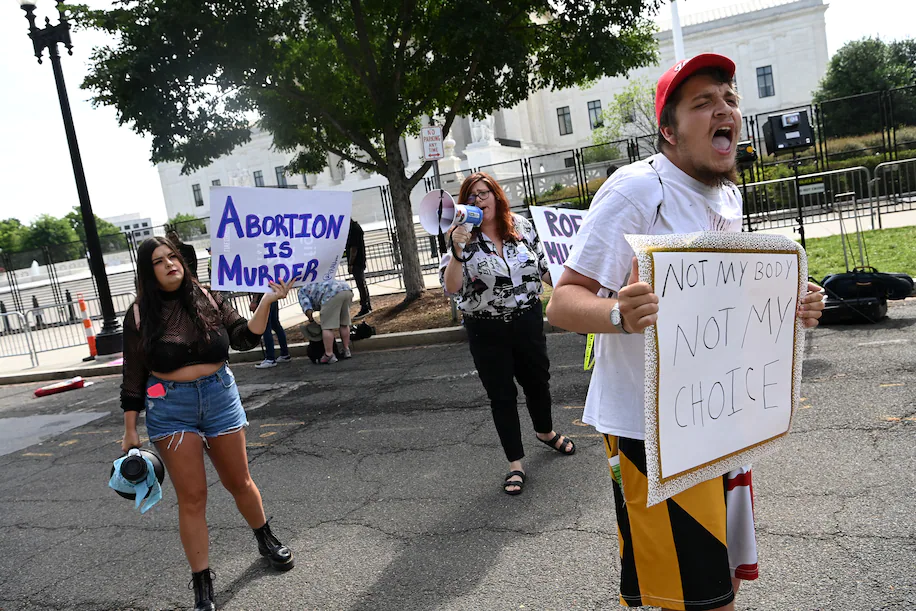
The protests began on December 28, when shopkeepers in Tehran closed their businesses after the currency fell to a record low. Demonstrations quickly spread to other provinces as living costs soared. The government responded with a sweeping crackdown in which more than 6,800 protesters, including at least 150 children, are believed to have been killed.
At the centre of the economic shock was the shortage of US dollars, the currency that underpins global trade. Without access to it, countries struggle to pay for imports, service debts or stabilise their exchange rates. In Iran’s case, economist Mohammad Reza Farzanegan says the shortfall was produced by cutting off the two main sources of foreign currency: oil revenue and international banking access.
Bessent has framed that outcome as deliberate.
“What we [have done] at Treasury is created a dollar shortage in the country,” he told a congressional hearing, describing how the strategy reached a “grand culmination in December” when a major Iranian bank collapsed and the currency went into freefall. “So the rats are leaving the ship, and that is a good sign that they know the end may be near.”
He made a similar argument in Davos, saying that President Donald Trump’s order to apply maximum pressure had worked because “their economy collapsed” and “this is why the people took to the streets”.
The numbers reflect the scale of the shock. By January, the rial was trading at around 1.5 million to the dollar, roughly double its level a year earlier. Food prices were on average 72 percent higher than the previous year. The currency collapse forced what economists call “import compression”, leaving the country unable to pay for machinery and intermediate goods needed for domestic production.
Farzanegan argues that the effect goes far beyond short-term inflation.
“People lost their purchasing power, and savings were wiped out,” he said. “This is a long-term destruction of the country’s human capital.”
The pressure campaign builds on a trajectory that began when Trump withdrew from the 2015 nuclear deal in 2018 and reimposed sanctions. Since returning to office, he has expanded those measures, including threatening tariffs on countries that do business with Iran.
Yet the impact cannot be explained by external pressure alone. Years of economic mismanagement, corruption and heavy dependence on oil revenue left the Iranian economy structurally fragile, with little capacity to absorb a shock of this scale.
For Washington, Bessent has cast the policy in strategic terms:
“This is economic statecraft; no shots fired.”
But the admission carries diplomatic risks. By acknowledging that the entire banking system is being targeted, it reinforces the argument that humanitarian channels for food and medicine become ineffective even when formally exempt.

The latest news in your social feeds
Subscribe to our social media platforms to stay tuned