



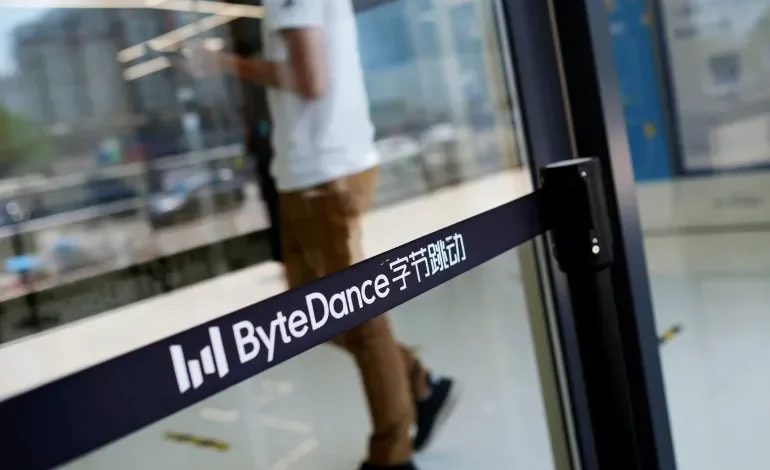

ByteDance is moving to contain a growing backlash from the film industry over its new AI video generator, Seedance 2.0, after major Hollywood groups accused the company of building the tool on unlicensed material and allowing the unauthorised use of actors’ likenesses.
The TikTok owner said it “respects intellectual property rights” and is working to strengthen protections, responding to criticism that the system can produce high-end video clips from simple text prompts without meaningful barriers against infringement. For now, the tool is available only in China, but the reaction from US studios and unions has been swift and unusually unified.
The Motion Picture Association set the tone last week, arguing that the model’s underlying training and its outputs amount to large-scale copyright violations. “Seedance 2.0 has engaged in unauthorized use of US copyrighted works on a massive scale,” said MPA chairman and CEO Charles Rivkin.
“By launching a service that operates without meaningful safeguards against infringement, ByteDance is disregarding well-established copyright law that protects the rights of creators and underpins millions of American jobs. ByteDance should immediately cease its infringing activity,” he added.
The dispute is not only about datasets but also about the visible results. A viral clip showing AI-generated versions of Tom Cruise and Brad Pitt fighting in a post-apocalyptic landscape became a flashpoint, reinforcing concerns that the technology can replicate recognisable performers without consent. Screenwriter Rhett Reese reacted to the video with a blunt assessment: “I hate to say it. It’s likely over for us.”
SAG-AFTRA, the actors’ union, aligned itself with the studios and framed the issue in terms of labour as well as law.
“The infringement includes the unauthorized use of our members’ voices and likenesses. This is unacceptable and undercuts the ability of human talent to earn a livelihood,” the union said.
“Seedance 2.0 disregards law, ethics, industry standards and basic principles of consent. Responsible AI development demands responsibility, and that is nonexistent here.”
ByteDance’s response has been cautious rather than confrontational. “We are taking steps to strengthen current safeguards as we work to prevent the unauthorised use of intellectual property and likeness by users,” the company said, signalling that it intends to keep the product online while adjusting its guardrails.
Behind the immediate clash is a longer legal and technological timeline. Entertainment lawyer and journalist Jonathan Handel described the moment as “the beginning of a difficult road” for the industry, arguing that the decisive shift will come only when courts issue major rulings on how existing intellectual-property law applies to generative video.
Until then, the imbalance between the speed of AI development and the pace of legal decisions is likely to define the landscape.
“Digital technology moves a lot quicker, and we are going to see in several years full-length movies that are AI-generated,” he said, noting that models trained on largely unlicensed material can produce images that echo well-known faces, franchises and visual styles.

The latest news in your social feeds
Subscribe to our social media platforms to stay tuned