
Iran sidelines Europe as nuclear diplomacy shifts toward regional mediators
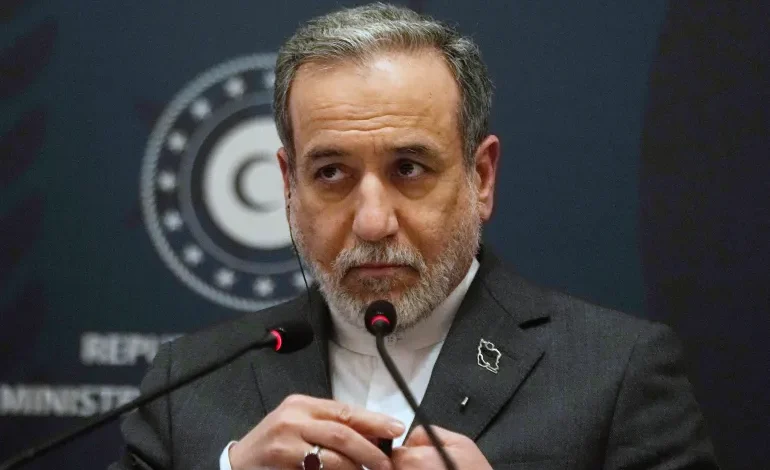

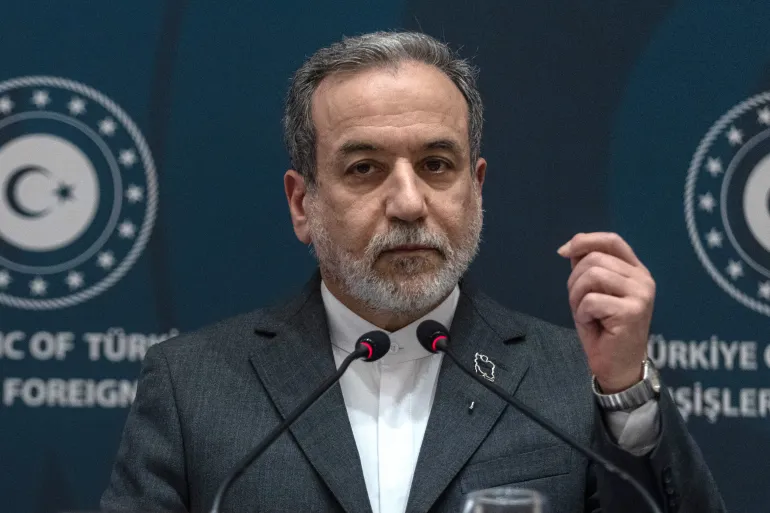
Iran’s foreign minister has used the Munich Security Conference to deliver a blunt message: from Tehran’s perspective, Europe is no longer central to nuclear diplomacy. Writing on X as he prepared to travel to Geneva for a fresh round of talks with Washington, Abbas Araghchi dismissed the gathering as a “circus” and portrayed the EU powers as spectators rather than participants in the current process.
“Sad to see the usually serious Munich Security Conference turned into the ‘Munich Circus’ when it comes to Iran,” Araghchi wrote.
He tied that criticism to a broader claim about the balance of diplomatic influence.
“The paralysis and irrelevance of the EU/E3 is displayed in the dynamics surrounding the current talks over Iran’s nuclear program. … Once a key interlocutor, Europe is now nowhere to be seen. Instead, our friends in the region [the Gulf] are far more effective and helpful than an empty-handed and peripheral E3.”
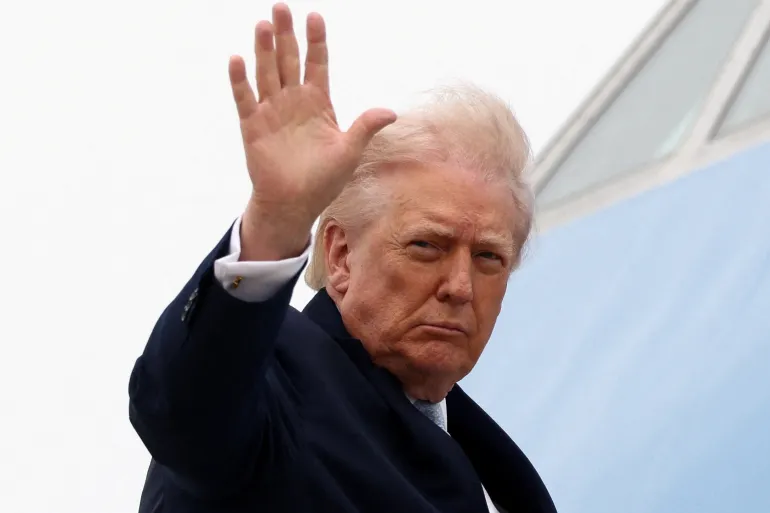
The remark lands against a clear historical contrast. France, the United Kingdom and Germany, the E3, were central to the negotiations that produced the 2015 Joint Comprehensive Plan of Action, the agreement that capped Iran’s nuclear activities in exchange for sanctions relief. Even after the United States withdrew from the deal in 2018 under Donald Trump and reimposed sweeping sanctions, the European trio retained a role as an intermediary between Tehran and Washington.
That architecture has now shifted. Since talks resumed last year, mediation has largely moved to regional actors, particularly Oman and Qatar, reflecting both practical access to both sides and the reduced leverage of European diplomacy in the current geopolitical climate.
Araghchi’s comments came just before he left Tehran with a diplomatic and technical delegation for new negotiations in Geneva. The trip is expected to include meetings with Swiss and Omani counterparts as well as the head of the International Atomic Energy Agency, Rafael Grossi. The immediate backdrop is last week’s indirect US–Iran talks in Muscat, also facilitated by Oman.
For some observers, the rhetoric signals more than frustration. Abas Aslani, a senior research fellow at the Center for Middle East Strategic Studies, said the language “indicate[s] a policy shift from the Iranian side that the E3 mechanism … is no longer a valid channel for resolution”.
“This nuclear mediation has moved from Europe to the region, and now the heavy lifting in diplomacy is done by regional players,” he said.
The negotiations themselves are unfolding in a tense security environment. The previous diplomatic track collapsed when Israel launched a 12-day war against Iran last June, briefly joined by US strikes on three Iranian nuclear sites. Now, even as talks resume, Washington is increasing its military presence in the Middle East. Trump has ordered a second aircraft carrier to the region and has openly discussed the possibility of political change in Tehran.
The substance of the dispute remains unchanged. Iran has signalled flexibility on limits to its nuclear programme but continues to reject any attempt to fold its ballistic missile arsenal or its regional alliances into the talks. The United States, by contrast, is pushing for a broader framework that addresses those issues.
The latest news in your social feeds
Subscribe to our social media platforms to stay tuned