
Netanyahu sets red lines for Iran deal as Trump pushes to keep talks alive
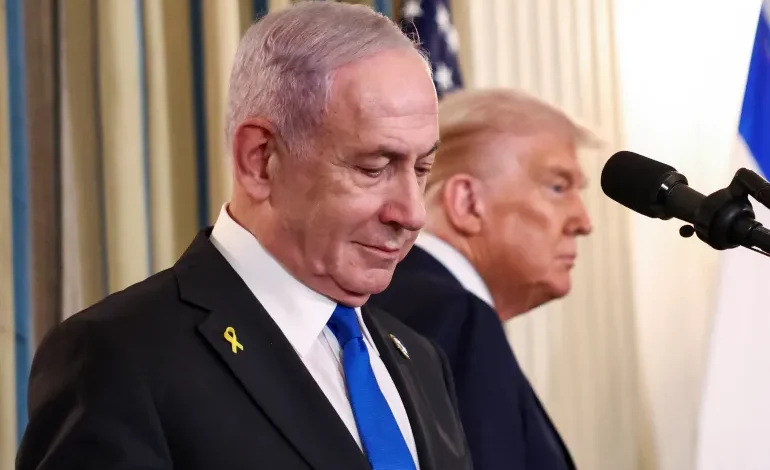

Benjamin Netanyahu has publicly drawn a hard perimeter around what he would consider an acceptable US–Iran agreement, laying out demands that go far beyond simply freezing Tehran’s nuclear activity. Speaking on Sunday at the annual Conference of Presidents of Major American Jewish Organizations, the Israeli prime minister made clear he remains deeply sceptical that diplomacy will produce a workable outcome, even as Washington and Tehran return to the negotiating table.
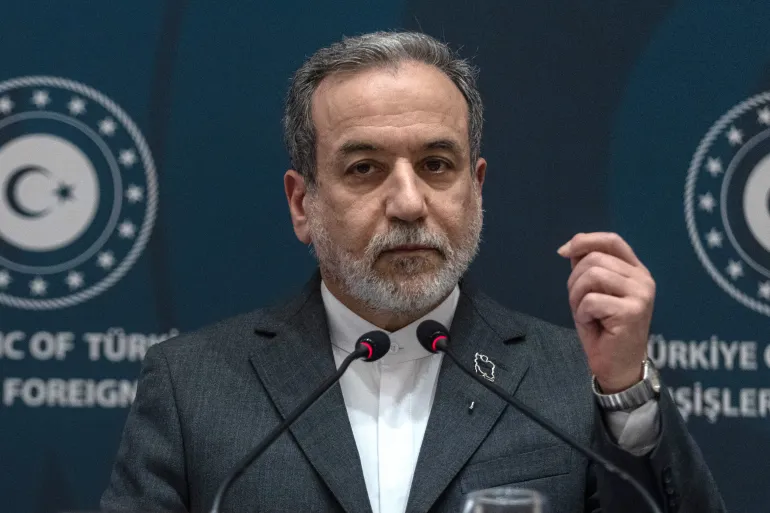
His intervention came as Iranian Foreign Minister Abbas Araghchi travelled to Switzerland for a second round of nuclear talks with the United States, part of a renewed diplomatic track that follows months of military escalation and failed negotiations.
Netanyahu said he had conveyed his position directly to US President Donald Trump during their meeting in Washington last week. Any deal, he argued, must begin with the physical removal of Iran’s enriched material. “The first is that all enriched material has to leave Iran,” he said.
He then moved to what is effectively a dismantlement model rather than a limitation model for Iran’s nuclear programme.
“The second is that there should be no enrichment capability – not stopping the enrichment process, but dismantling the equipment and the infrastructure that allows you to enrich in the first place”.
The third pillar, in his view, extends beyond the nuclear file entirely. The ballistic missile programme, long a sticking point in previous negotiations, would also have to be addressed. Alongside these demands, Netanyahu called for intrusive and continuous monitoring of Iranian activity.
“There has to be real inspection, substantive inspections, no lead-time inspections, but effective inspections for all of the above,” he said.
This is the first time Netanyahu has spoken in detail about his latest discussions with Trump, their seventh meeting since the US president returned to office. The public tone highlights a familiar divergence: both leaders say they want to block Iran from acquiring a nuclear weapon, but they are not aligned on how achievable a negotiated path is.
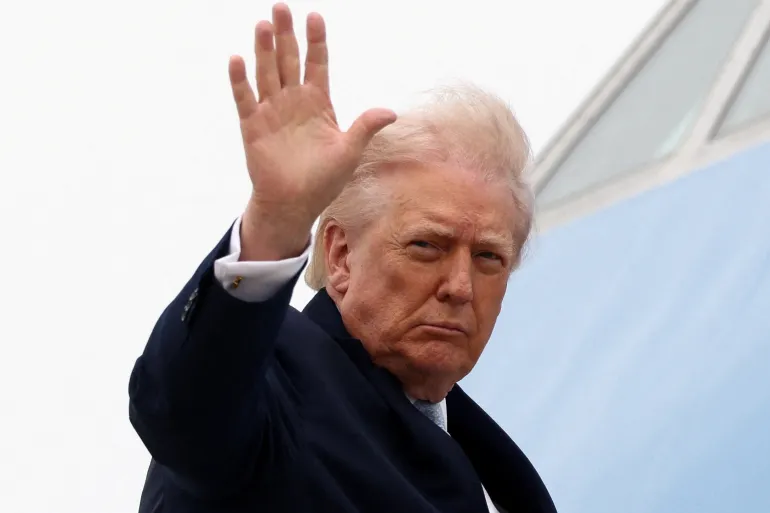
After their meeting, Trump told reporters there was no “definitive” plan yet, but that he had “insisted that negotiations with Iran continue to see whether or not a deal can be consummated”. According to Axios, the two agreed on the desired end state, an Iran without nuclear weapons capability, while disagreeing on whether a deal can realistically deliver it. Netanyahu reportedly argued that a good agreement is impossible; Trump responded, “Let’s give it a shot”.
In parallel, the two sides appear to be coordinating economic pressure, particularly targeting Iranian oil exports to China, which currently absorb more than 80 percent of Tehran’s shipments.
For Iran, the framework remains unchanged. It denies any intention to build nuclear weapons and signals readiness to accept limits on its atomic programme in exchange for sanctions relief, while rejecting any linkage to its missile arsenal.
The diplomatic push is unfolding in the shadow of last year’s 12-day war, triggered by Israel’s unprecedented bombing campaign against Iran and followed by US strikes on three Iranian nuclear sites. It is also accompanied by a visible military build-up. Trump has threatened new attacks, ordered additional aircraft carriers to the region and openly floated the idea of political change in Tehran. Asked whether he wanted a different government in Iran, he said it “seems like that would be the best thing that could happen”.
The messaging is deliberately dual-track: negotiations continue, but the military option is kept in plain sight.
“In case we don’t make a deal, we’ll need it … if we need it, we’ll have it ready,” Trump said when questioned about the deployment.
Iran, for its part, has responded with its own deterrent language, warning it would strike US bases in the Middle East if attacked.



The latest news in your social feeds
Subscribe to our social media platforms to stay tuned